
Cultural Landscape of Sintra
<p>In the 19th century Sintra became the first centre of European Romantic architecture. Ferdinand II turned a ruined monastery into a castle where this new…
Explore the Map
Cultural Landscape of Sintra
38.7833° N, -9.4167° E
About
<p>In the 19th century Sintra became the first centre of European Romantic architecture. Ferdinand II turned a ruined monastery into a castle where this new sensitivity was displayed in the use of Gothic, Egyptian, Moorish and Renaissance elements and in the creation of a park blending local and exotic species of trees. Other fine dwellings, built along the same lines in the surrounding <em>serra</em> , created a unique combination of parks and gardens which influenced the development of landscape architecture throughout Europe.</p>
Plan Your Visit
Tours, travel arrangements, and practical information
Details
Portugal
38.78° N, -9.42° E
More Sites in Portugal
Roman villa of Frielas
The Roman Villa of Frielas is located in the parish of Frielas in the municipality of Loures in the Lisbon District of Portugal.
Roman ruins of Casais Velhos
Roman villa and baths, Cascais region, 2nd–5th centuries
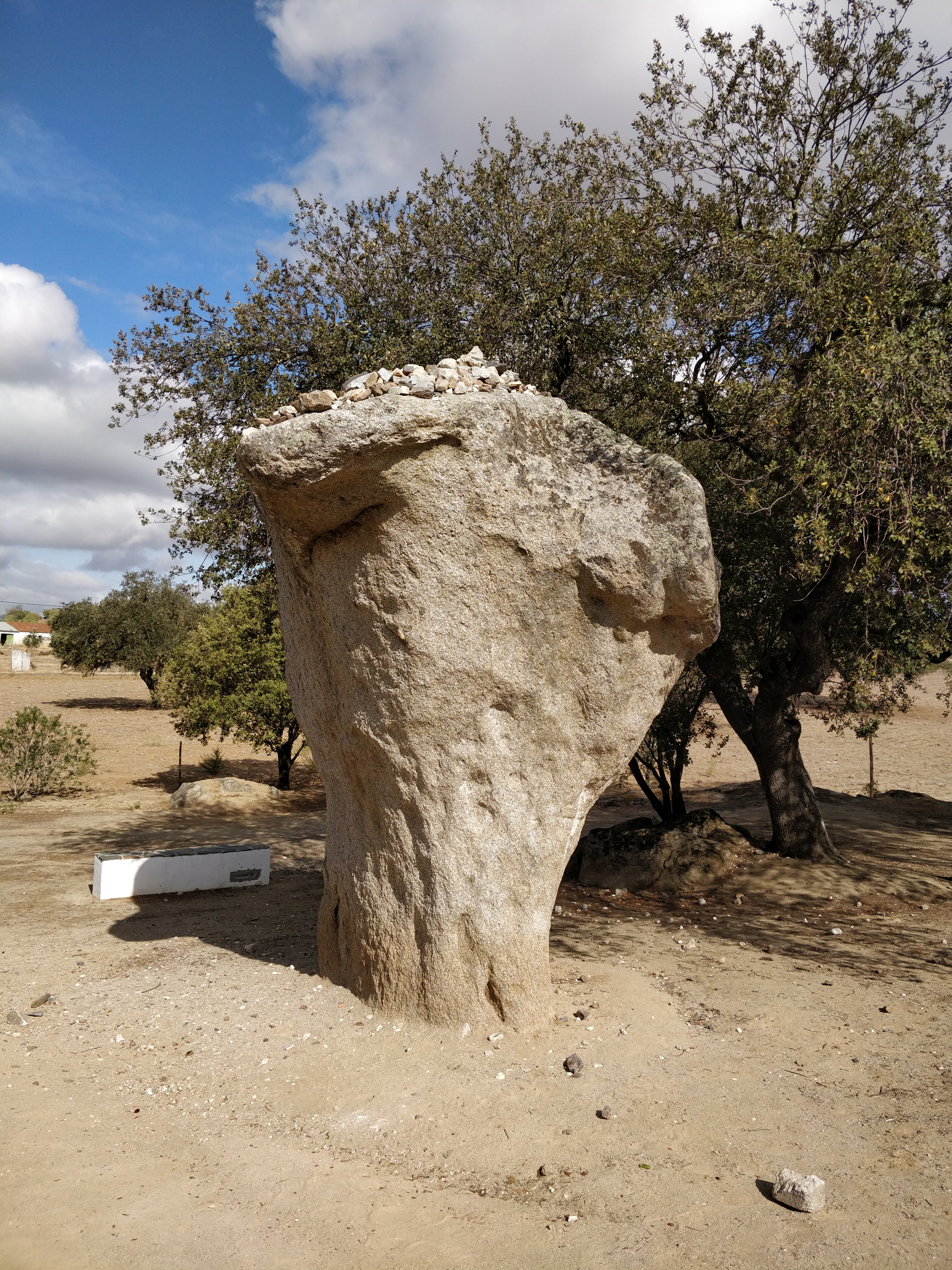
Rocha dos Namorados
Large granite stone with engravings
Castro of Chibanes
The Castro of Chibanes is located in the Arrábida Nature Park, on the Serra do Louro (Louro Hill), in the municipality of Palmela in the Setúbal Dist
Roman villa of Almoinhas
Roman villa, 1st–5th century AD
Ribat of Arrifana
The Ribat of Arrifana is the archeological site of the remains of a Muslim fortification (ribat) situated in Arrifana, Aljezur municipality, in the Faro District of the Algarve region, Portugal.