
Explore the Map
Senegambian stone circles
13.6911° N, -15.5225° E
About
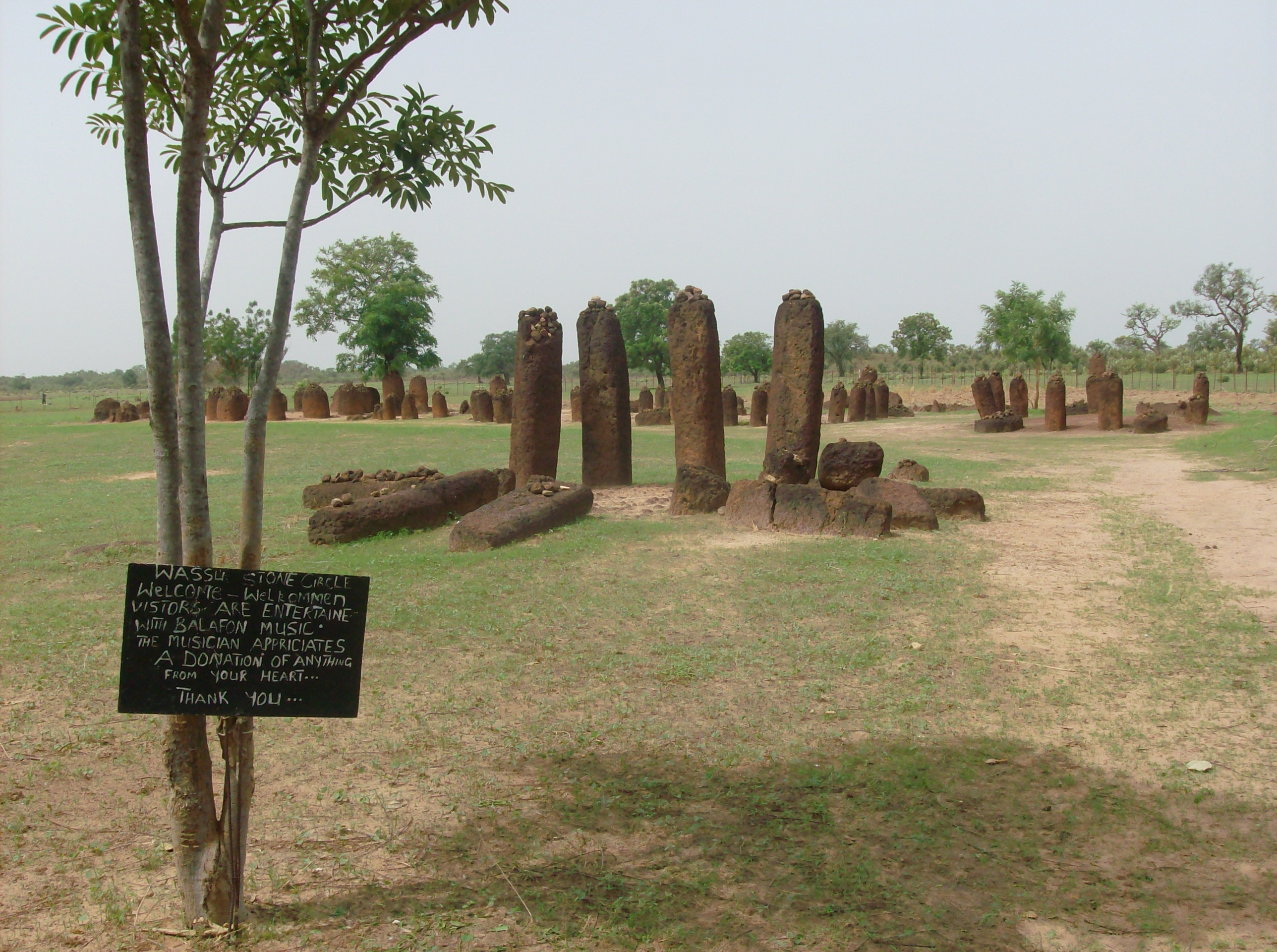
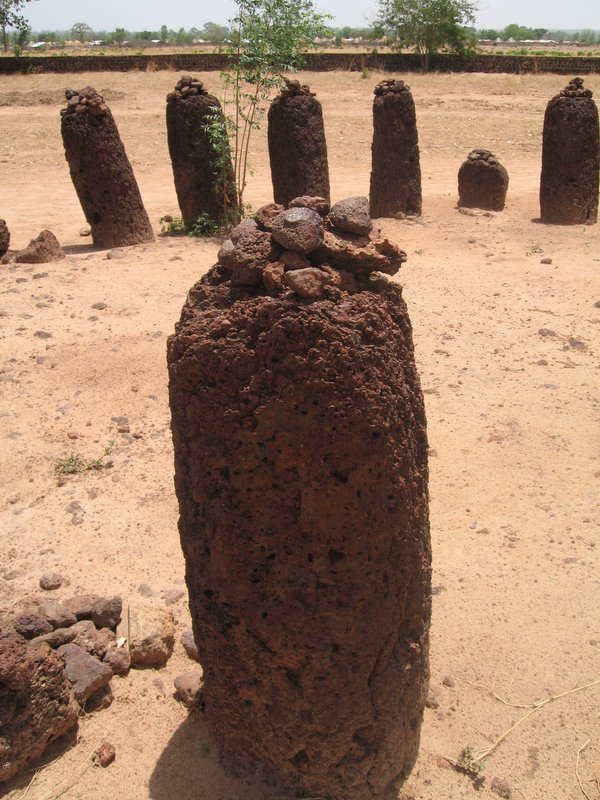
The Senegambian stone circles, located in the Gambia and central Senegal, form the largest concentration of stone circles worldwide. Spanning an area of 30,000 square kilometers, they include more than 1,000 stone circles and associated burial mounds, illustrating a sacred landscape used over a millennium and a half. The circles, primarily made of laterite, were constructed between the 3rd century BCE and the 16th century CE, pointing to a highly organized society adept in quarrying and construction. The site includes significant locations such as Wassu, Kerr Batch, Wanar, and Sine Ngayène, each with distinct historical timelines and archaeological features. These circles served both as burial sites and as centers for ritual activity, reflecting the cultural and societal complexities of the region's ancient communities.
Gallery
Explore photographs of ancient structures, artifacts, and archaeological excavations
Historical Timeline
Journey through time and discover key events in this site's history
Construction of Stone Circles
300 BCE
Wanar Construction
600 CE, 1500 CE
Sine Ngayène Development
700 CE, 1350 CE
Wassu Burials
927 CE, 1305 CE
Archaeological Features
Unique architectural and cultural elements found at this historical site
Burial and Funerary Structures
Industrial and Craft Structures
Religious and Ritual Structures
Plan Your Visit
Tours, travel arrangements, and practical information
More Sites in Senegal
Saloum Delta
<p>Fishing and shellfish gathering have sustained human life in the 5,000 km2 property, which is formed by the arms of three rivers. The site comprises…
Island of Saint-Louis
<p>Founded as a French colonial settlement in the 17th century, Saint-Louis was urbanised in the mid-19th century. It was the capital of Senegal from 1872…
Bassari Country: Bassari, Fula and Bedik Cultural Landscapes
<p>The site, located in south-east Senegal, includes three geographical areas: the Bassari–Salémata area, the Bedik–Bandafassi area and the Fula–Dindéfello…