Explore the Map
Hoedjiespunt
-33.0286° N, 17.9594° E
About
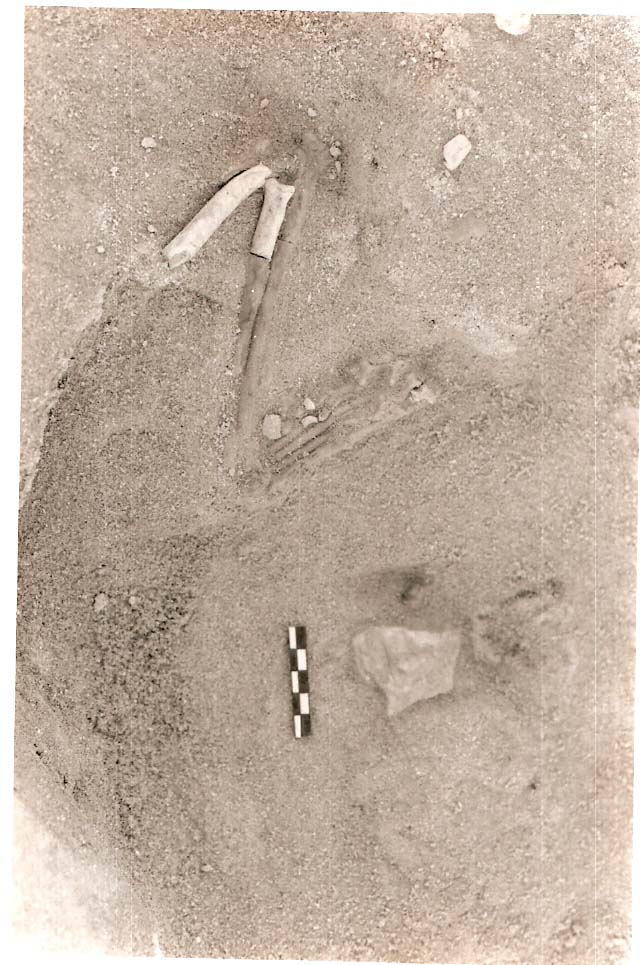
Hoedjiespunt is an archaeological site on the West coast of South Africa, near Saldanha Bay. It dates back to the Middle Pleistocene, approximately 280,000 years ago, and is significant for its hominid fossils attributed to Homo heidelbergensis. The site, an ancient brown hyena lair, is embedded within a sand dune, which later fossilized under a calcrete layer. Excavations have revealed thousands of fossils, including teeth, skull fragments, and a tibia shaft from a juvenile hominid. This site provides valuable insights into early human life and the ecological conditions of the time. The discovery of this site adds to the understanding of hominid evolution and migration patterns in Africa during the Lower Paleolithic period.
Gallery
Explore photographs of ancient structures, artifacts, and archaeological excavations
Historical Timeline
Journey through time and discover key events in this site's history
Formation of calcrete
280,000 years ago
Archaeological Features
Unique architectural and cultural elements found at this historical site
Environmental and Natural Features
Frequently Asked Questions
Plan Your Visit
Tours, travel arrangements, and practical information
More Sites in South Africa
Stadsaal Caves
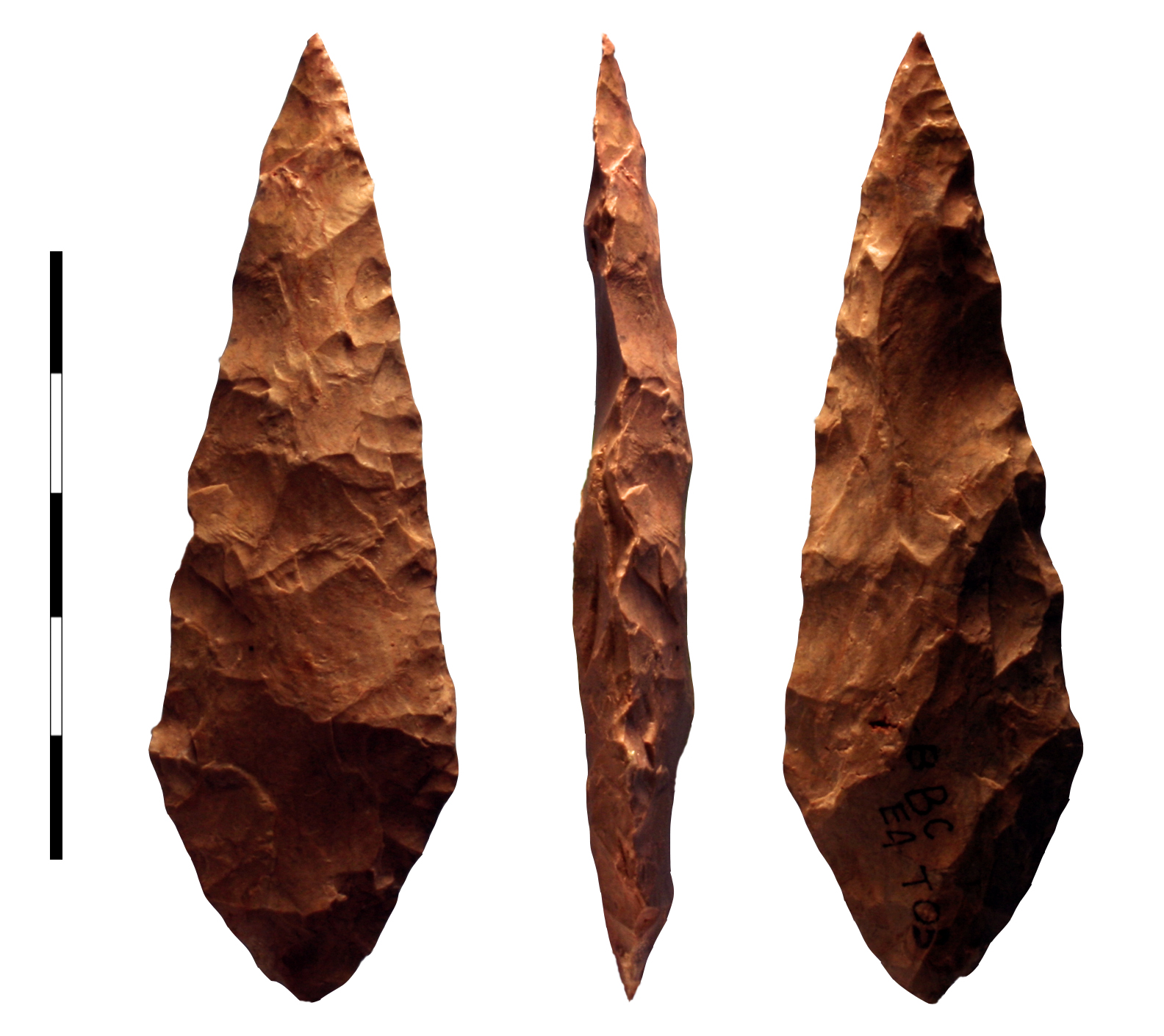
Sandstone caves with San rock art.
Pinnacle Point
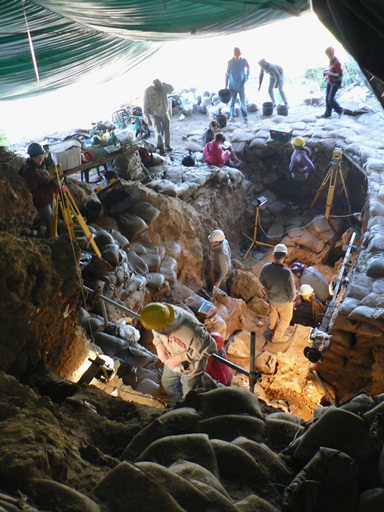
Middle Stone Age caves with symbolic behavior evidence
Boomplaas Cave
Stratified cave with ancient human occupation
Stilbaai Tidal Fish Traps
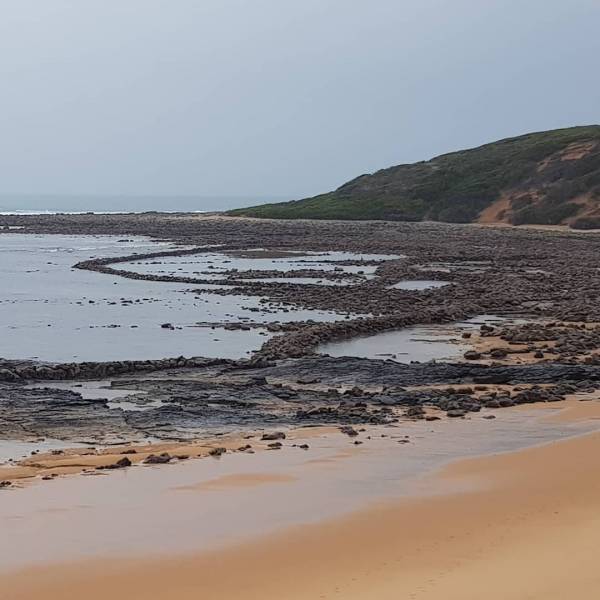
Ancient intertidal stonewall fish traps
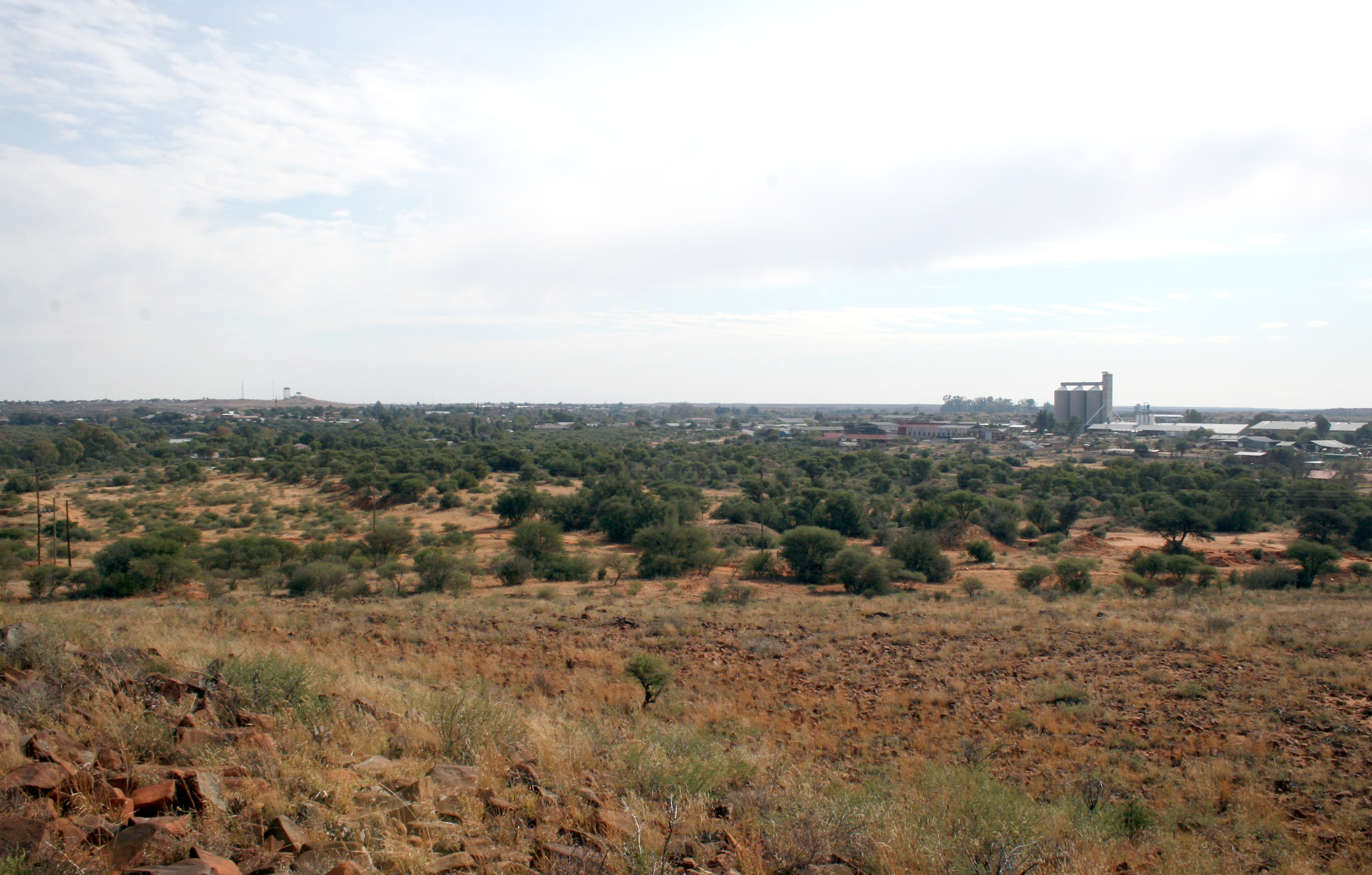
Canteen Kopje
Rich Stone Age archaeological sequence in South Africa
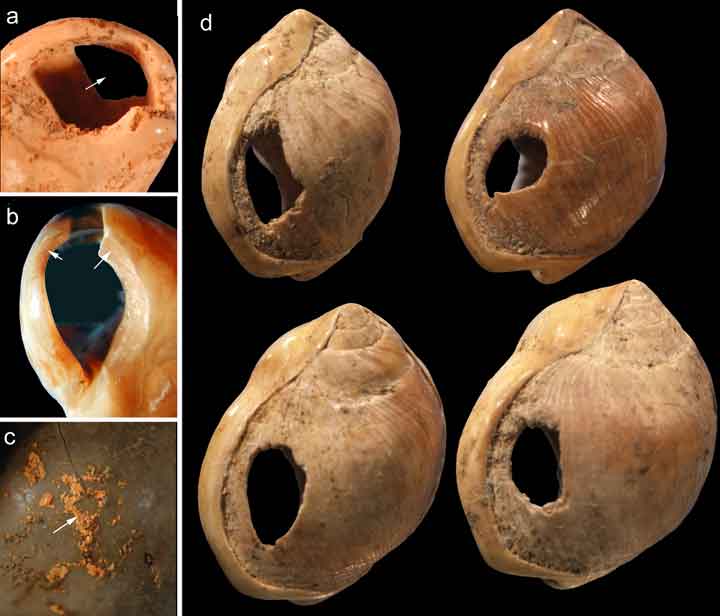
Blombos Cave
Stone Age cave with symbolic artifacts