Time Periods
Paleolithic
Mesolithic
Neolithic
Chalcolithic
Bronze Age
Iron Age
Classical Period
Post-Classical Period
Early Modern Period
Industrial Period
Contemporary Period
Time Periods
Paleolithic
Mesolithic
Neolithic
Chalcolithic
Bronze Age
Iron Age
Classical Period
Post-Classical Period
Early Modern Period
Industrial Period
Contemporary Period
Location
About
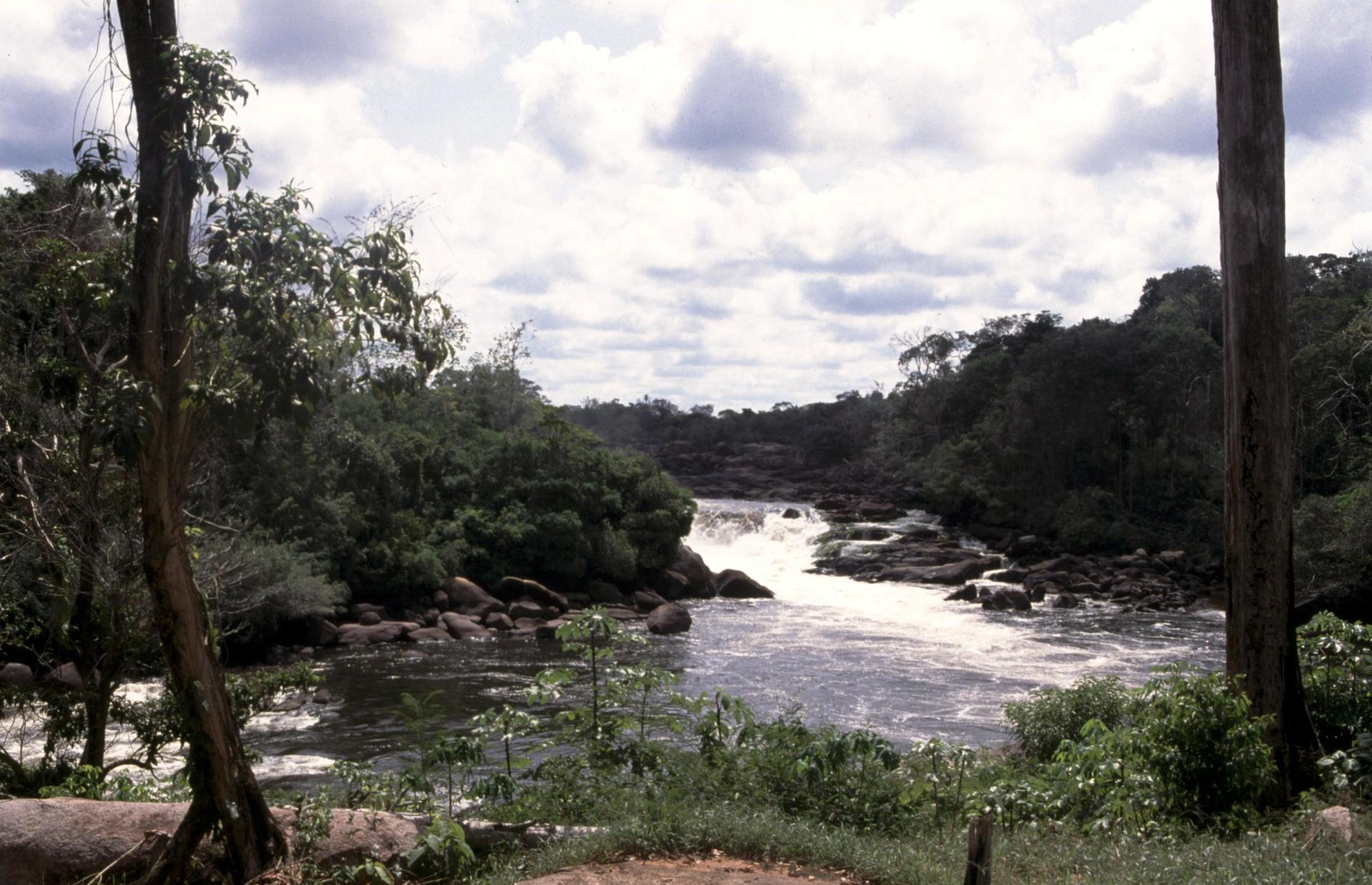
The Wonotobo Falls site, located in the Sipaliwini District of Suriname near the border with Guyana, is an archaeological site of significant pre-Columbian heritage. It is renowned for its series of waterfalls and the nearby petroglyphs discovered in the mid-20th century by Dirk Geijskes. The petroglyphs, numbering 33 in total, are situated around an abandoned Amerindian settlement and date back approximately 1,900 years, making them the oldest known complex in the Guianas at the time of discovery. These carvings provide an invaluable insight into the ceremonial, mythical, and religious lives of the indigenous precontact peoples who once inhabited the region. The site's natural beauty and historical importance make it a significant location for both archaeological study and cultural understanding.
Gallery
Explore photographs of ancient structures, artifacts, and archaeological excavations at Wonotobo Falls
Archaeological Features
Explore the unique architectural and cultural elements found at this historical site
Artistic and Decorative Features
Environmental and Natural Features
Historical Timeline
Journey through time and discover key events in this site's archaeological history
Plan Your Visit
Details
- Country
- Suriname
- Source
- Wikipedia