Explore the Map
Jebel Aruda
36.2350° N, 38.0983° E
About
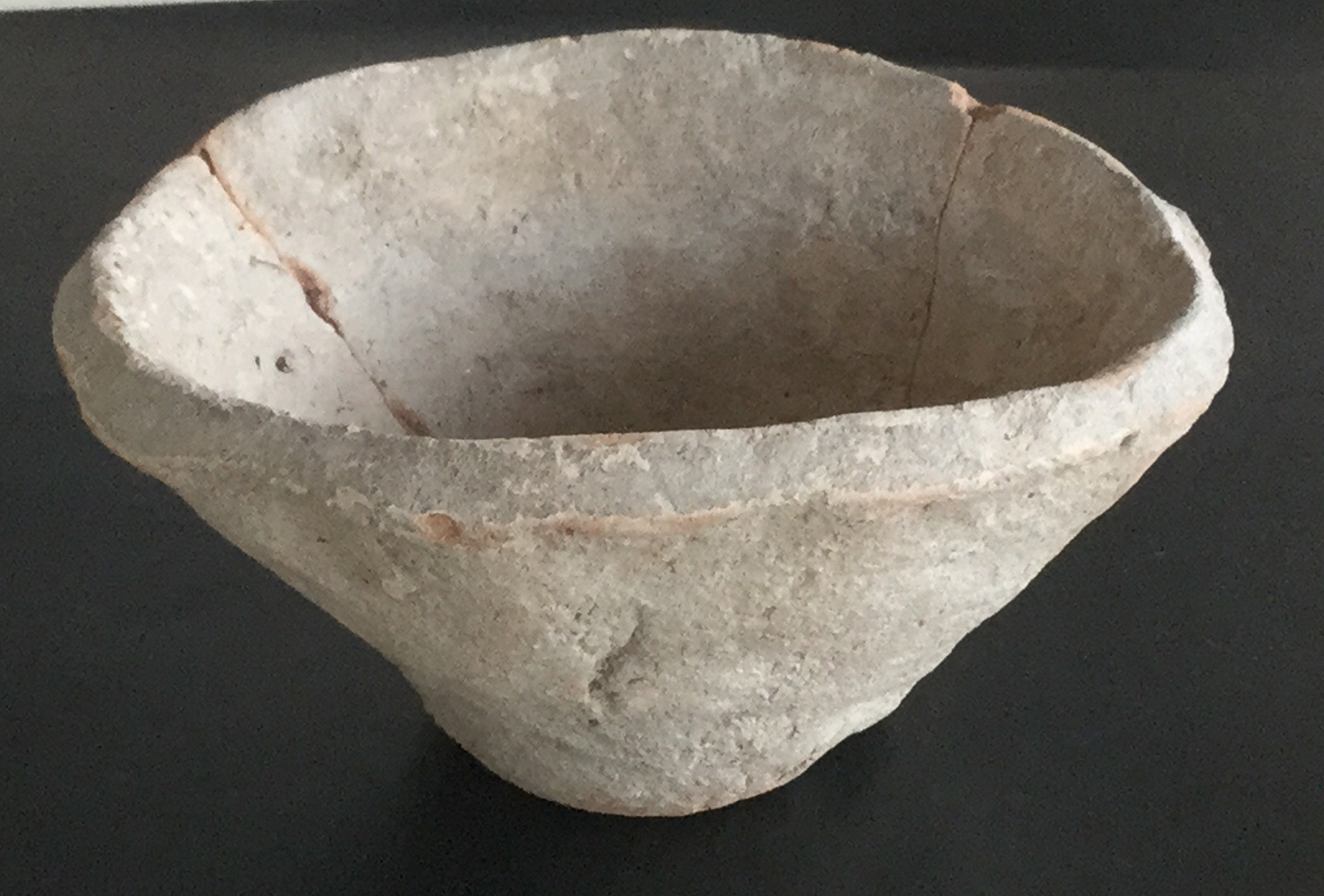
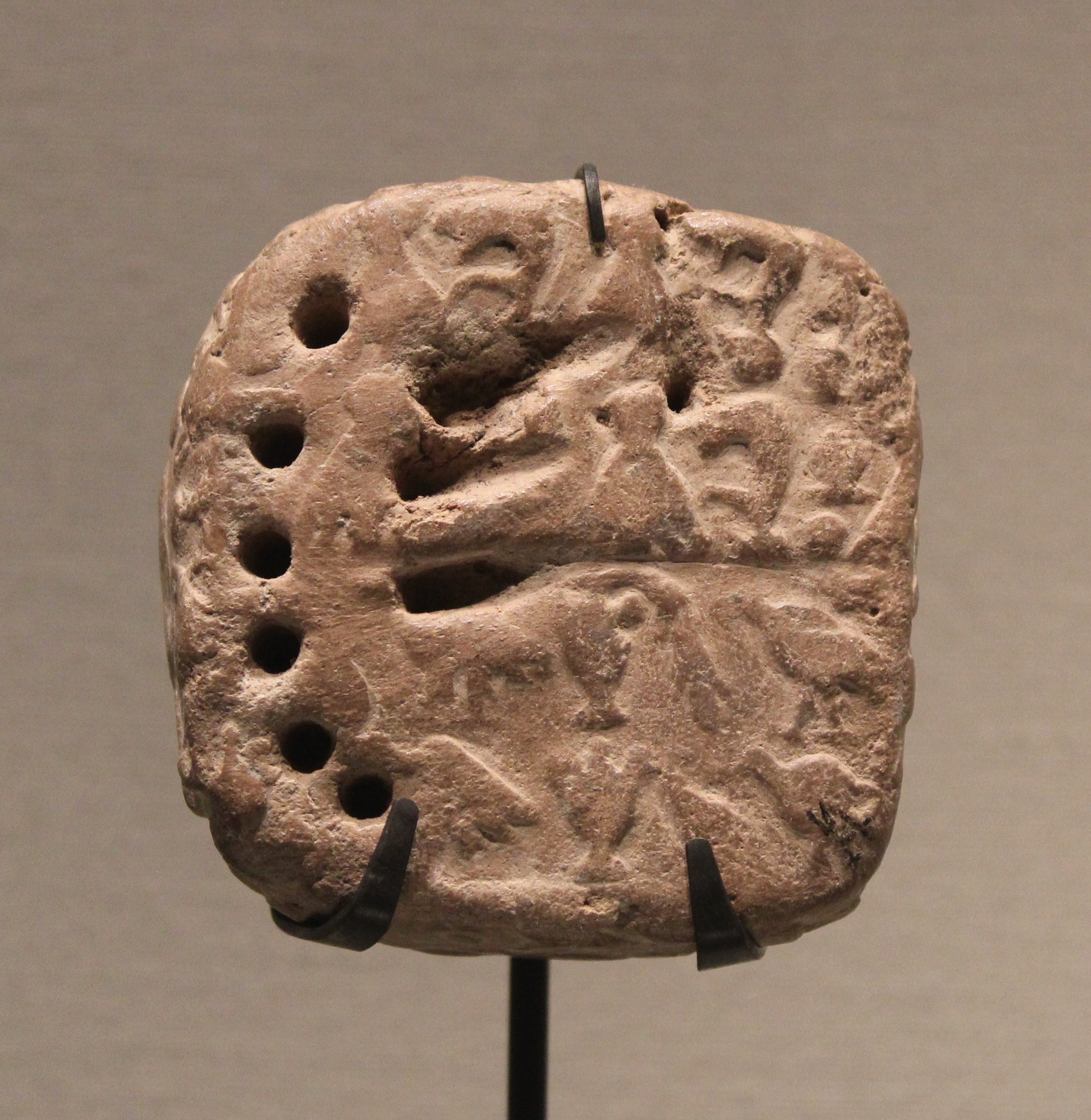
Jebel Aruda is an archaeological site located on the west bank of the Euphrates River in Syria, within the Raqqa Governorate. This Late Chalcolithic site, dating to the Uruk V period of the late 4th millennium BCE, was part of a broader network of settlements in the region. The site spans approximately 3 hectares and features significant architectural structures, including a temple precinct with two notable temples—the Red Temple and the Grey Temple, both showcasing Uruk period architectural styles. Additionally, the residential areas were divided into northern and southern zones, with the latter housing T-Form manor houses. Evidence of industrial activity, such as kilns, was also found. The site holds importance for understanding the social and economic interactions of the Uruk period, as well as the developmental stages of urbanization in ancient Mesopotamia.
Gallery
Explore photographs of ancient structures, artifacts, and archaeological excavations
Historical Timeline
Journey through time and discover key events in this site's history
Construction of Red Temple
34th century BCE
Construction of Grey Temple
34th century BCE
Settlement at Jebel Aruda
3335 BCE, 3103 BCE
End of occupation
33rd century BCE
Archaeological Features
Unique architectural and cultural elements found at this historical site
Storage Structures
Industrial and Craft Structures
Religious and Ritual Structures
Domestic and Habitation Structures
Frequently Asked Questions
Plan Your Visit
Tours, travel arrangements, and practical information
More Sites in Syria
Ain Dara (archaeological site)
Iron Age Syro-Hittite temple in northwest Syria
Tell Aqab
Ancient settlement with Halaf-Ubaid pottery.
Qatna
Bronze Age capital tell in western Syria
Tell Hazna I
Early Dynastic temple mound in al-Hasakah, Syria
Tell Djassa
Early Dynastic tell in Syria's Khabur Triangle
Arpad, Syria
Aramaean city site (Tell Rifaat), northwestern Syria