Kaman-Kalehöyük
Kaman-Kalehöyük is a multi-period archaeological site in Kırşehir Province, Turkey, around 100 km south east of Ankara, 6 km east of the town center of Kaman.
Explore the Map
Kaman-Kalehöyük
39.3628° N, 33.7867° E
About
Kaman-Kalehöyük is a multi-period archaeological site in Kırşehir Province, Turkey, around 100 km south east of Ankara, 6 km east of the town center of Kaman. It is a tell or mound site that was occupied during the Bronze Age, Iron Age and Ottoman periods. Excavations in the mound have been carried out since 1986 under the direction of Sachihiro Omura, on behalf of the Middle Eastern Culture Center in Japan and the Japanese Anatolian Archeology Institute. The distance to Hattusa, the Hittite capital, is about 100 km. In 550 BC, Kırşehir and its region, along with the whole of Anatolia, came under Persian rule. Although no significant settlement remains and finds belonging to this period were found in Kırşehir, seals belonging to the Persian period were found in the Kaman Kale Höyük excavation. It is learned from the sources that there was a settlement named Zama here in ancient times. During the period of the Kingdom of Cappadocia, which was established in 333 BC, Kırşehir and its region were under intense pressure due to the lack of authority. In 18 AD, the Roman Emperor Tiberius officially annexed Cappadocia to Rome and made it a state. During the Roman period, the Kırşehir region spread rapidly in Christianity as well as paganism. In the Kaman region, there are remains of Byzantine buildings and the ruins of Ömerhacılı Castle. This indicates that there was a Byzantine settlement in the region.
Plan Your Visit
Tours, travel arrangements, and practical information
More Sites in Turkey
Kuşkayası Monument
Roman roadside monument, Roman Imperial era in Turkey
Bisanthe
Bisanthe (Ancient Greek: Βισάνθη) was a great city in ancient Thrace, on the coast of the Propontis, which had been founded by the Samians.
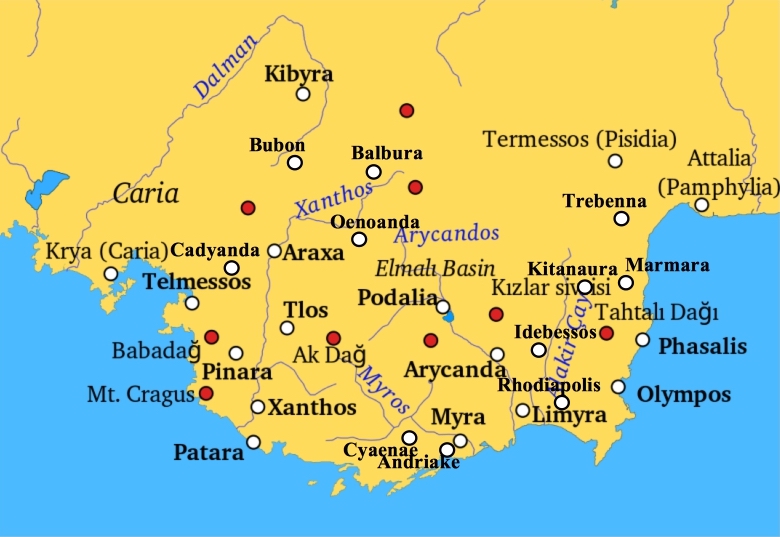
Marmara (Lycia)
Sheer rock acropolis with temple remains.
Çadır Höyük
Artificial mound settlement in Yozgat Province, Turkey
Carchemish
Ancient capital ruins on the Euphrates, Turkey–Syria border
Library of Celsus
Roman library, early 2nd century CE