Mausoleum at Halicarnassus
The Mausoleum at Halicarnassus or Tomb of Mausolus (Ancient Greek: Μαυσωλεῖον τῆς Ἁλικαρνασσοῦ; Turkish: Halikarnas Mozolesi) was a tomb built between
Explore the Map
Mausoleum at Halicarnassus
37.0379° N, 27.4241° E
About
The Mausoleum at Halicarnassus or Tomb of Mausolus (Ancient Greek: Μαυσωλεῖον τῆς Ἁλικαρνασσοῦ; Turkish: Halikarnas Mozolesi) was a tomb built between 353 and 351 BC in Halicarnassus (present Bodrum, Turkey) for Mausolus, an Anatolian from Caria and a satrap in the Achaemenid Persian Empire, and his sister-wife Artemisia II of Caria. The structure was designed by the Greek architects Satyros and Pythius of Priene. Its elevated tomb structure is derived from the tombs of neighbouring Lycia, a territory Mausolus had invaded and annexed c. 360 BC, such as the Nereid Monument. The Mausoleum was approximately 45 m (148 ft) in height, and the four sides were adorned with sculptural reliefs, each created by one of four Greek sculptors: Leochares, Bryaxis, Scopas of Paros, and Timotheus. The Mausoleum contained 400 freestanding sculptures. The mausoleum was considered to be such an aesthetic triumph that Antipater of Sidon identified it as one of his Seven Wonders of the Ancient World. It was destroyed by successive earthquakes from the 12th to the 15th century; it was the last surviving of the six destroyed wonders. The word mausoleum has now come to be used generically for an above-ground tomb.
Plan Your Visit
Tours, travel arrangements, and practical information
More Sites in Turkey
Lysinia
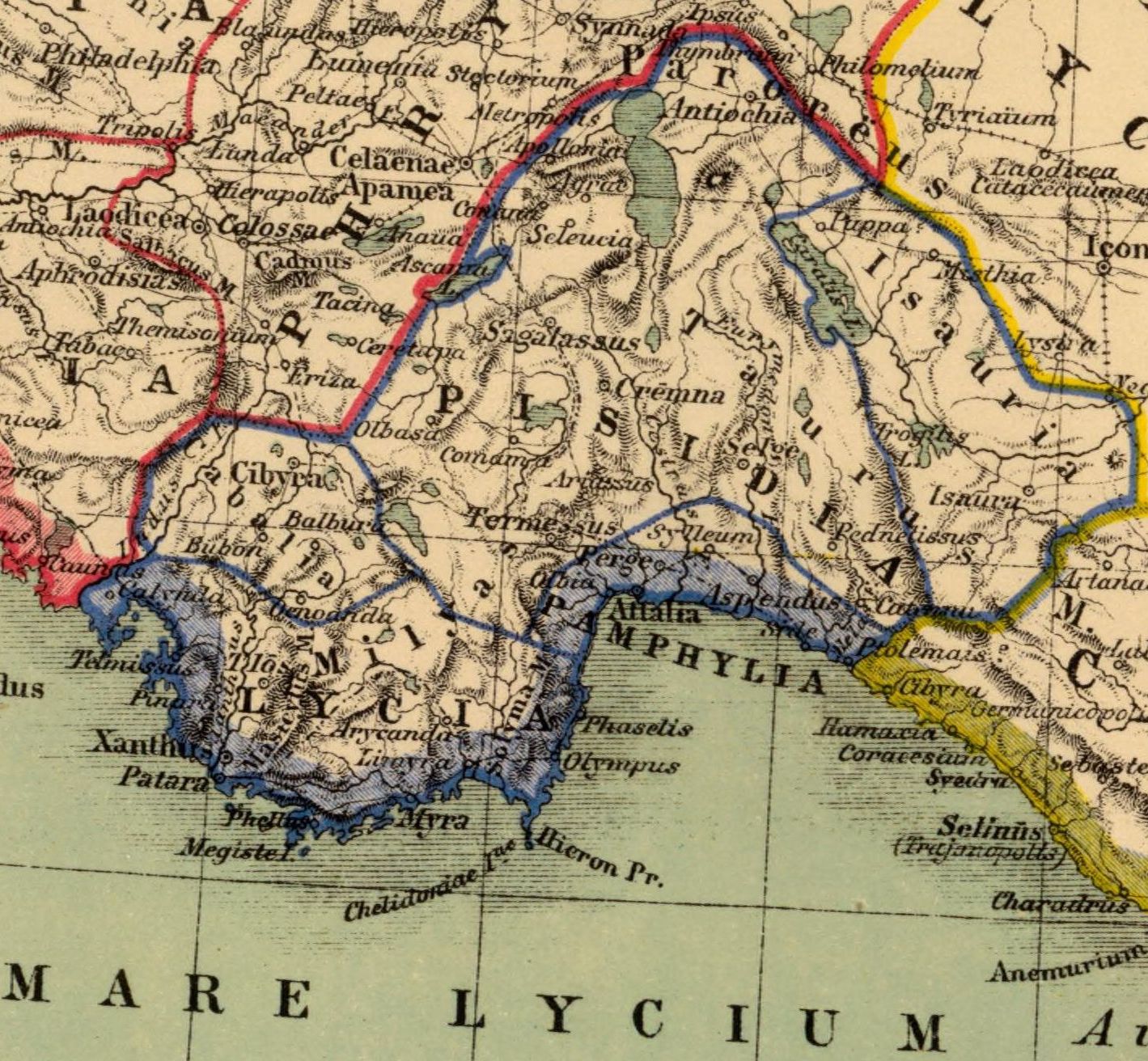
Ancient town in Pisidia, later Pamphylia.
Çadır Höyük
Artificial mound settlement in Yozgat Province, Turkey
Library of Celsus
Roman library, early 2nd century CE
Melanippe (Lycia)
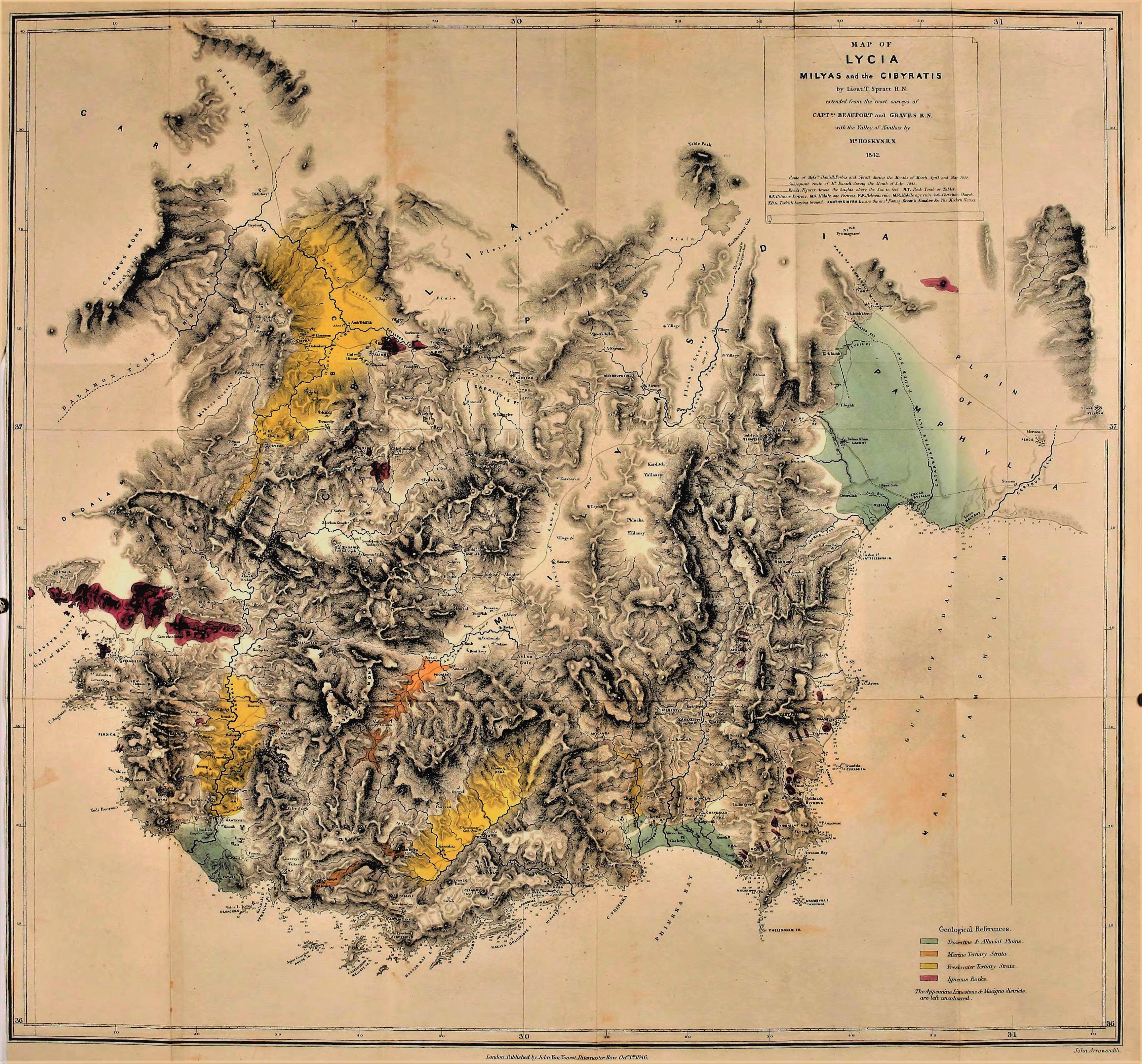
Ancient coastal town on Mount Phoenicus.
Blaundus
Hellenistic city ruins in western Anatolia, Turkey
Larissa Phrikonis
Aeolian city ruins in western Turkey