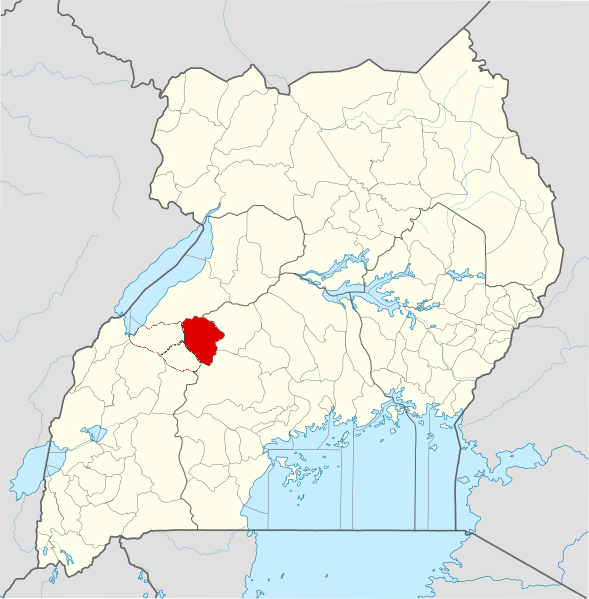
Explore the Map
Munsa
0.8250° N, 31.3000° E
About
Munsa, located in Uganda's Bunyoro region, is a significant archaeological site characterized by its ancient ditches, rock shelters, and evidence of iron-working. The site is believed to have been primarily active between the 15th and 17th centuries CE, with some evidence suggesting earlier occupation. The ditches at Munsa, made between the 15th and 16th centuries CE, are among Uganda's largest, although their exact purpose remains debated. The site also reveals a complex history of iron smelting, burial practices, and possibly early food production, including ancient banana cultivation. These findings provide insights into the socio-economic transitions from permanent settlements to more nomadic lifestyles in the region. Further exploration of Munsa’s iron-working remains holds potential for deeper understanding of the technological and cultural advancements of its historical occupants.
Gallery
Explore photographs of ancient structures, artifacts, and archaeological excavations
Historical Timeline
Journey through time and discover key events in this site's history
Early occupation
9th century CE
Iron smelting activity
14th century CE
Main ditch construction
15th century CE
End of permanent settlement
17th century CE
Archaeological Features
Unique architectural and cultural elements found at this historical site
Defensive Structures
Burial and Funerary Structures
Industrial and Craft Structures
Domestic and Habitation Structures
Environmental and Natural Features
Food Production and Processing Features
Frequently Asked Questions
Plan Your Visit
Tours, travel arrangements, and practical information