Burghead Fort
Burghead Fort was a Pictish promontory fort on the site now occupied by the small town of Burghead in Moray, Scotland.
Explore the Map
Burghead Fort
57.7036° N, -3.4971° E
About
Burghead Fort was a Pictish promontory fort on the site now occupied by the small town of Burghead in Moray, Scotland. It was one of the earliest power centres of the Picts and was three times the size of any other enclosed site in Early Medieval Scotland. The fort was probably the main centre of the Pictish Kingdom of Fortriu, flourishing with the kingdom itself from the 4th to the 9th centuries. Burghead is not recorded in any surviving annals and its name in the Pictish language is not recorded, but it may be the Pinnata Castra that features in Ptolemy's 2nd-century Geography. The original defences may date from the Iron Age but were substantially rebuilt during the early historic period. The remains of the fort were largely destroyed when the harbour and town of Burghead were remodelled in the early 19th century, but its layout is recorded in a plan drawn by William Roy and published posthumously in 1793. Sections of its inner ramparts still stand up to 9.8 feet (3.0 m) high, and a small section of the innermost outer rampart survives as the "Doorie Hill". The fort's underground ritual well can be visited and the site has a visitor centre where important Pictish sculptures from the fort are displayed.
Plan Your Visit
Tours, travel arrangements, and practical information
More Sites in United Kingdom
Hawk Stone
Neolithic standing stone, Oxfordshire, UK
Diamond (1823 ship)
Early 19th‑century transatlantic shipwreck, Cardigan Bay
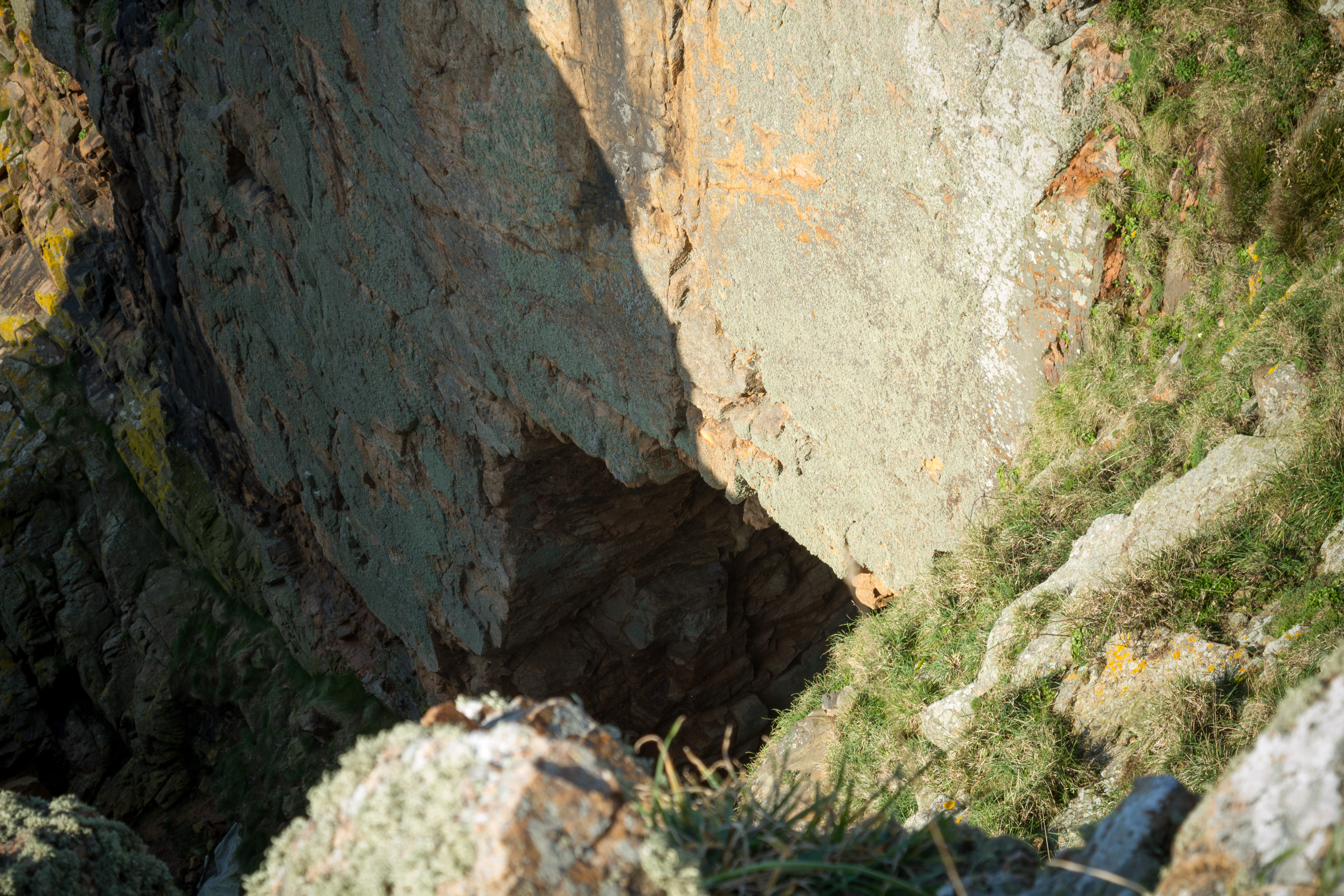
La Cotte de St Brelade
Paleolithic cave site with Neanderthal artifacts
Sussex Greensand Way
Roman road in Sussex, United Kingdom
Drumbo round tower
Irish round tower in County Down, early medieval
Kents Cavern
Kents Cavern is a cave system in Torquay, Devon, England.