Explore the Map
Carn Fadryn
52.8857° N, -4.5608° E
About
Carn Fadryn, sometimes Carn Fadrun or Garn Fadryn, is a five-hectare Iron Age hillfort and is the name of the mountain on which the fort is situated. It lies in the centre of the Llŷn Peninsula, Gwynedd, and overlooks the village of Garnfadryn, Wales. There seems to be two phases of ancient hillfort building on Carn Fadryn, followed by a medieval fortification of the summit. The first period of fortification at Garn Fadryn dates from about 300 BC, when the summit and an area of some 12 acres (49,000 m2) were enclosed. These were re-fortified during a second period and a wider area towards the north of a total of about 26 acres (110,000 m2) was enclosed. This second period of reinforcement dates from about 100 BC. The third fort which strengthens the natural crag near the summit is thought to be "the castle of the sons of Owain", mentioned in 1188 as being newly built. (Giraldi Cambrensis Opera (Rolls series, 1868), VI, p123 'dua castra lapidea de nova sita fuerunt; unum...Deutrait; alterum...in capite Lhein, quod erat filium Oenei, cui nomen Karnmadrun.') The medieval castle was built on the highest part of the summit, and was one of the earliest Welsh castles, symbolising power following the death of Prince Owain Gwynedd and the division of his land between his sons. On a clear day, the view from Garn Fadryn takes in Anglesey, Snowdonia, most of Cardigan Bay and even the Wicklow Mountains in Ireland.
Historical Timeline
Journey through time and discover key events in this site's history
First hillfort enclosure
c. 300 BCE
Second period of re-fortification
c. 100 BCE
Medieval summit castle noted
1188
Archaeological Features
Unique architectural and cultural elements found at this historical site
Defensive Structures
Environmental and Natural Features
Frequently Asked Questions
Plan Your Visit
Tours, travel arrangements, and practical information
More Sites in United Kingdom
Uffington Castle
Iron Age hillfort in Oxfordshire, England
Whitsbury Castle
Iron Age hillfort in Hampshire, United Kingdom
Ringlemere barrow
Early Bronze Age barrow near Sandwich, Kent
Bloodgate Hill Iron Age Fort
Iron Age hill fort in Norfolk, England
Drumbo round tower
Irish round tower in County Down, early medieval
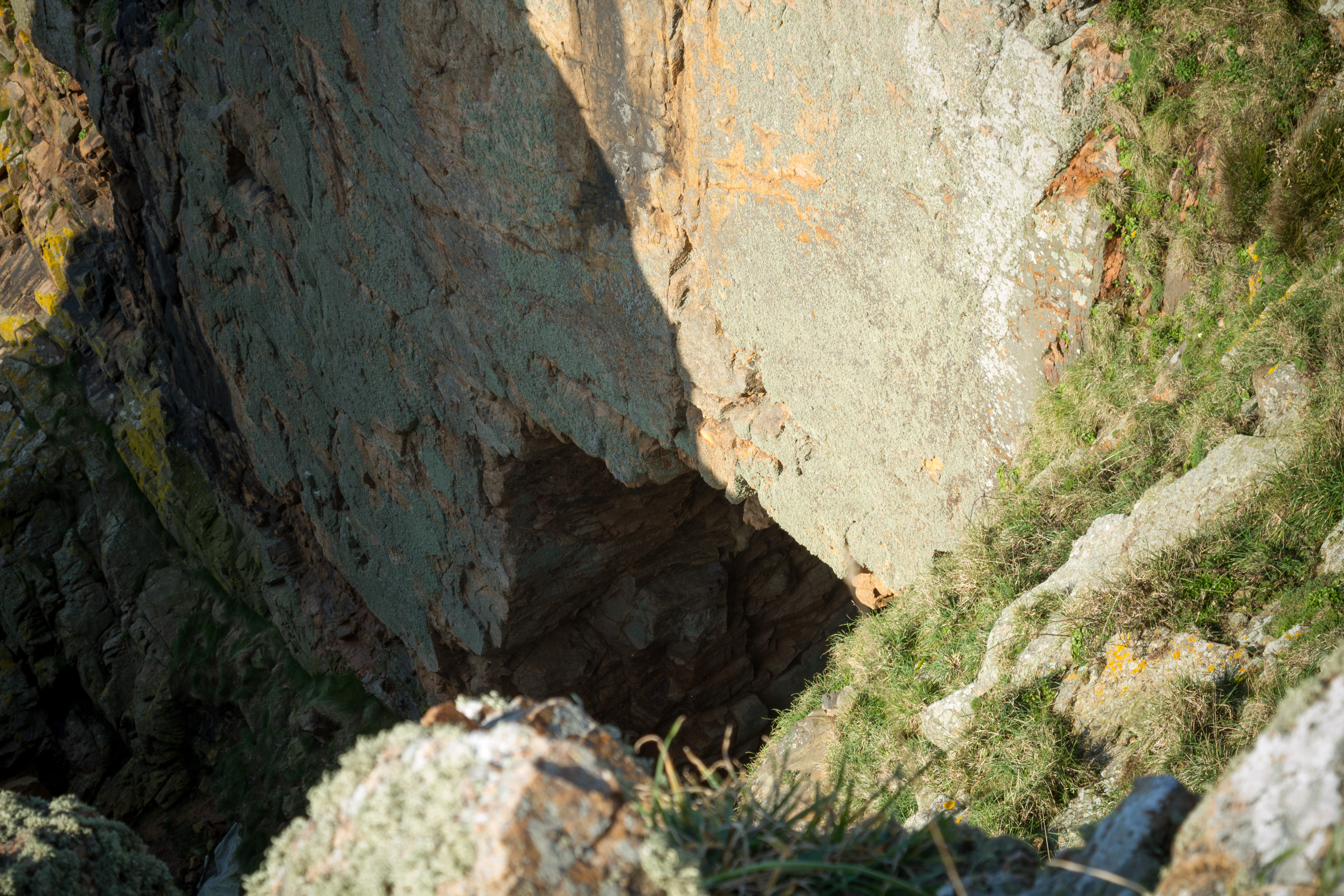
La Cotte de St Brelade
Paleolithic cave site with Neanderthal artifacts