Explore the Map
Dunstable Friary
51.8841° N, -0.5204° E
About
Dunstable Friary was a Dominican friary in Dunstable, Bedfordshire, England. It was located to the west of Watling Street, between the present-day High Street South and the road that is called Friary Field. The "Black Friars" came to Dunstable in 1259. The Augustine canons of Dunstable Priory, who themselves were facing economic hardship at the time, were not welcoming towards the Dominicans. The prioress of Markyate, though her own house was not a wealthy one, helped the friars with a dole of loaves until their church should be finished; a kindness ill-repaid, for they insisted on the continuance of the gift after the immediate necessity was passed, and when the nuns were almost as poor as themselves. The grounds were surrendered in 1539. Parts of the site were excavated in the 1920s. From 1965 to 1967, the Manshead Archaeological Society carried out excavations of the monastic buildings, during which the Dunstable Swan Jewel was discovered. Parts of the church were excavated by the Department of the Environment in 1972 and by Bedfordshire County Council in 1988.
Historical Timeline
Journey through time and discover key events in this site's history
Dominicans arrive
1259
Friary surrendered
1539
Early excavations
1920s
Manshead excavations and jewel discovery
1965-1967
Department of the Environment church digs
1972
Bedfordshire County Council excavations
1988
Archaeological Features
Unique architectural and cultural elements found at this historical site
Miscellaneous Features
Religious and Ritual Structures
Frequently Asked Questions
Plan Your Visit
Tours, travel arrangements, and practical information


More Sites in United Kingdom
Drumbo round tower
Irish round tower in County Down, early medieval
Ringlemere barrow
Early Bronze Age barrow near Sandwich, Kent
Uffington Castle
Iron Age hillfort in Oxfordshire, England
Whitsbury Castle
Iron Age hillfort in Hampshire, United Kingdom
Blestium
Roman fort and ironworks, Monmouth, Wales
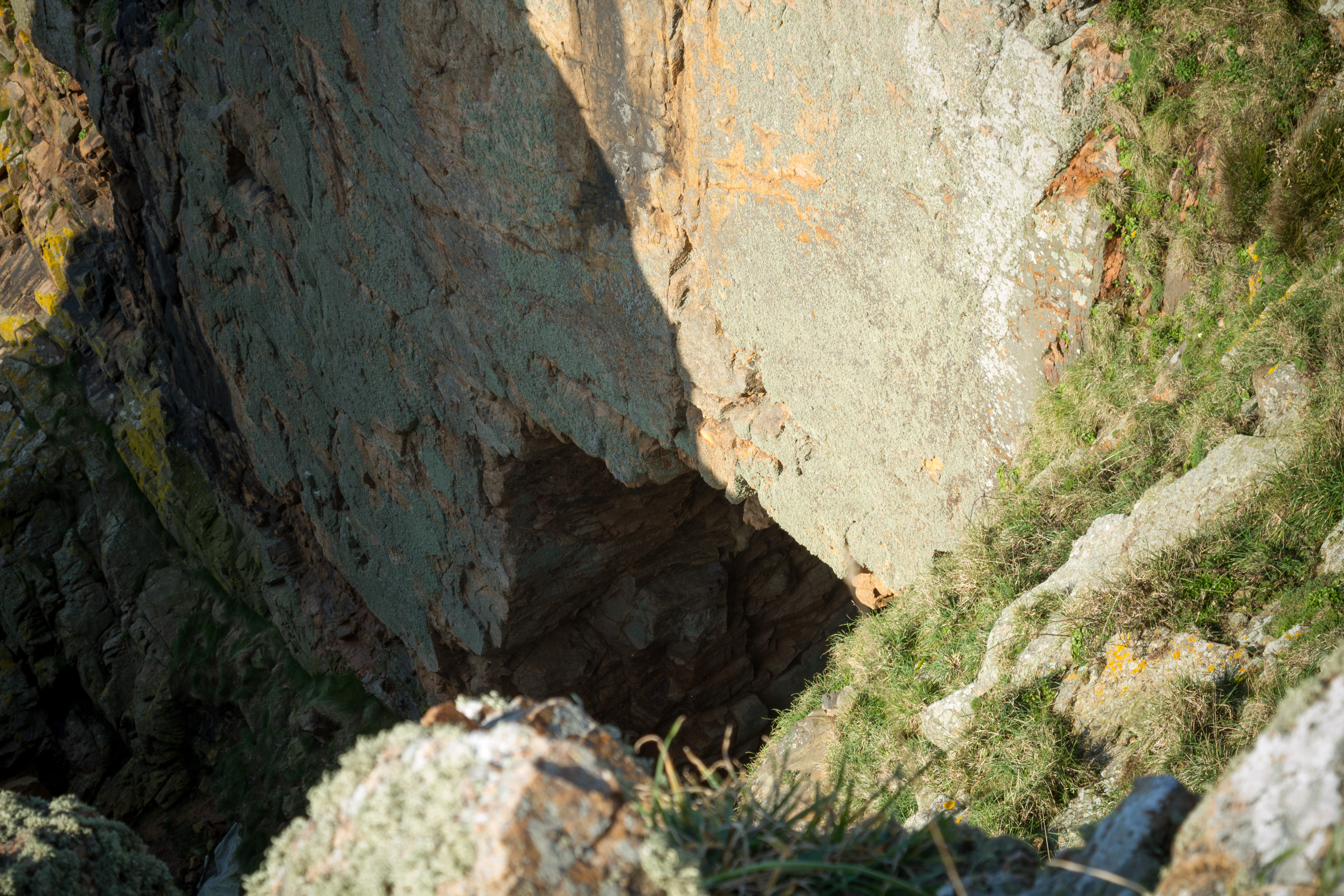
La Cotte de St Brelade
Paleolithic cave site with Neanderthal artifacts