Explore the Map
Greyfriars, Leicester
52.6340° N, -1.1364° E
About
Greyfriars, Leicester, was a friary of the Order of Friars Minor, commonly known as the Franciscans, established on the west side of Leicester by 1250, and dissolved in 1535. Following dissolution the friary was demolished and the site levelled, subdivided, and developed over the following centuries. The locality has retained the name Greyfriars particularly in the streets named "Grey Friars", and the older "Friar Lane". The friary is best known as the burial place of King Richard III who was hastily buried in the friary church following his death at the Battle of Bosworth. An archaeological dig in 2012–13 successfully identified the site of the Greyfriars church and the location of Richard's burial. The grave site was incorporated into the 'Dynasty, Death and Discovery' museum which opened in 2014. In December 2017, Historic England scheduled the site.
Historical Timeline
Journey through time and discover key events in this site's history
Identification of remains
4 February 2013
Franciscans at Leicester
13th century
Franciscan arrival in Britain
1224
Choir completed
c. 1255
Nave completed
c. 1300
Burial of William of Nottingham
c. 1336
Permission to expand dwellings
1349
Friars' conspiracy and executions
1402
Parliament at Greyfriars
April 1414
Burial of Richard III
1485
Tomb commission payment
1495
Dissolution of the friary
1535
Demolition and material reuse
1538
Archaeological excavation
2012–2013
Museum opening
2014
Historic England scheduling
December 2017
Archaeological Features
Unique architectural and cultural elements found at this historical site
Defensive Structures
Public and Civic Structures
Burial and Funerary Structures
Religious and Ritual Structures
Artistic and Decorative Features
Environmental and Natural Features
Transportation and Communication Structures
Frequently Asked Questions
Plan Your Visit
Tours, travel arrangements, and practical information
More Sites in United Kingdom
Drumbo round tower
Irish round tower in County Down, early medieval
Crofton Pumping Station
Steam-era pumping station in Wiltshire, United Kingdom
Uffington Castle
Iron Age hillfort in Oxfordshire, England
Whitsbury Castle
Iron Age hillfort in Hampshire, United Kingdom
Ringlemere barrow
Early Bronze Age barrow near Sandwich, Kent
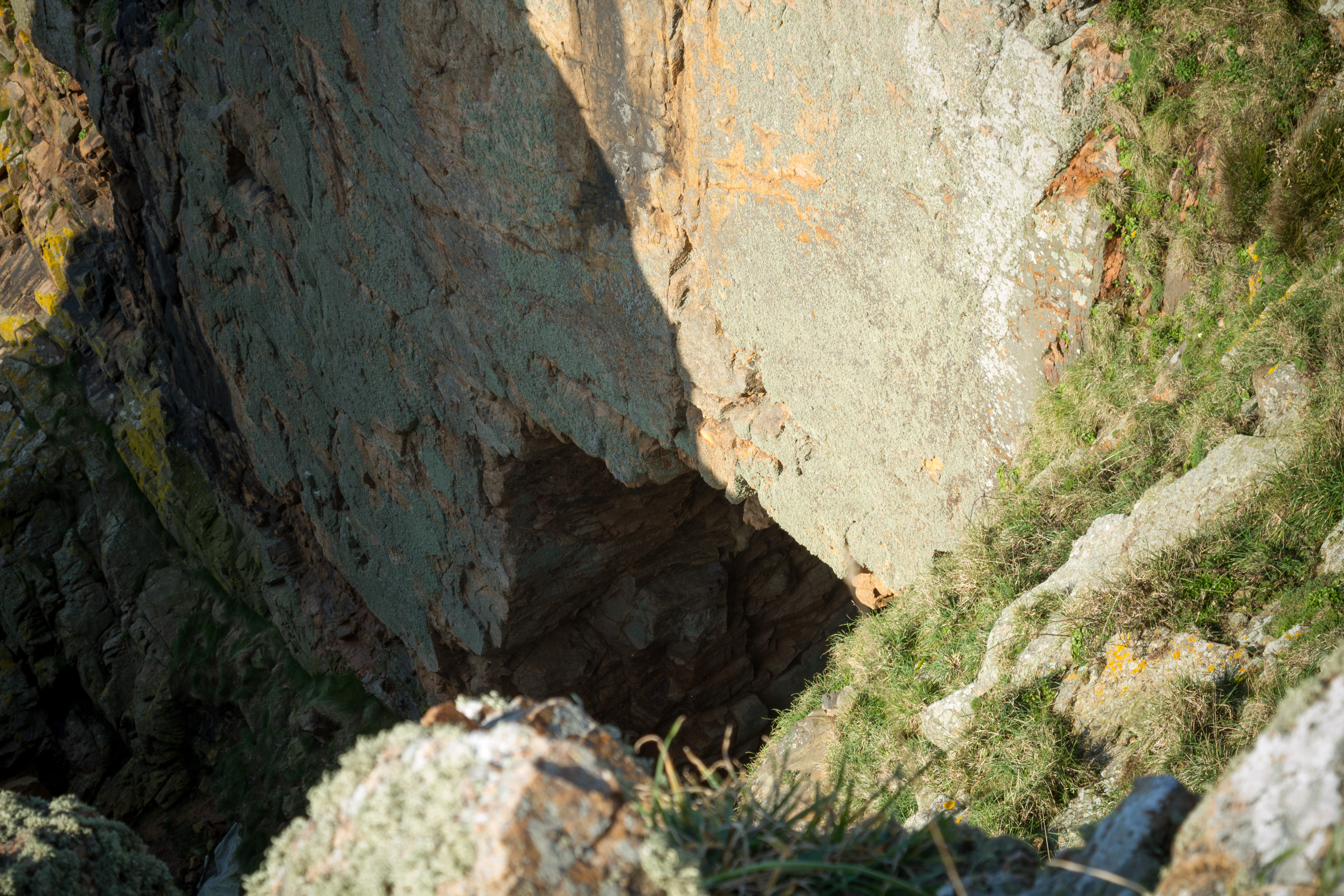
La Cotte de St Brelade
Paleolithic cave site with Neanderthal artifacts