Explore the Map
HMY Mary
53.4193° N, -4.6117° E
About
HMY Mary was the first Royal Yacht of the Royal Navy. She was built in 1660 by the Dutch East India Company. Then she was purchased by the City of Amsterdam and given to King Charles II, on the restoration of the monarchy, as part of the Dutch Gift. She struck rocks off Anglesey in thick fog on 25 March 1675 while en route from Dublin to Chester. Although 35 of the 74 crew and passengers were killed as the wreck quickly broke up, 39 managed to get to safety. The remains (bronze cannon) were independently discovered by two different diving groups in July 1971. After looters started to remove guns from the site, a rescue operation was organized and the remaining guns and other artifacts were taken to the Merseyside Museums for conservation and display. After the passing of the Protection of Wrecks Act 1973, she was designated as a protected site on 20 January 1974.
Historical Timeline
Journey through time and discover key events in this site's history
Designated protected site
20 January 1974
Wrecked
25 March 1675
Built
1660
Bronze cannon discovered
July 1971
Protection of Wrecks Act passed
1973
Archaeological Features
Unique architectural and cultural elements found at this historical site
Military Installations
Miscellaneous Features
Artistic and Decorative Features
Frequently Asked Questions
Plan Your Visit
Tours, travel arrangements, and practical information
More Sites in United Kingdom
Swastika Stone
The Swastika Stone is a stone adorned with a design that resembles a swastika, located on the Woodhouse Crag on the northern edge of Ilkley Moor in West Yorkshire, England.
Drumbo round tower
Irish round tower in County Down, early medieval
Hawk Stone
Neolithic standing stone, Oxfordshire, UK
Uffington Castle
Iron Age hillfort in Oxfordshire, England
Kents Cavern
Kents Cavern is a cave system in Torquay, Devon, England.
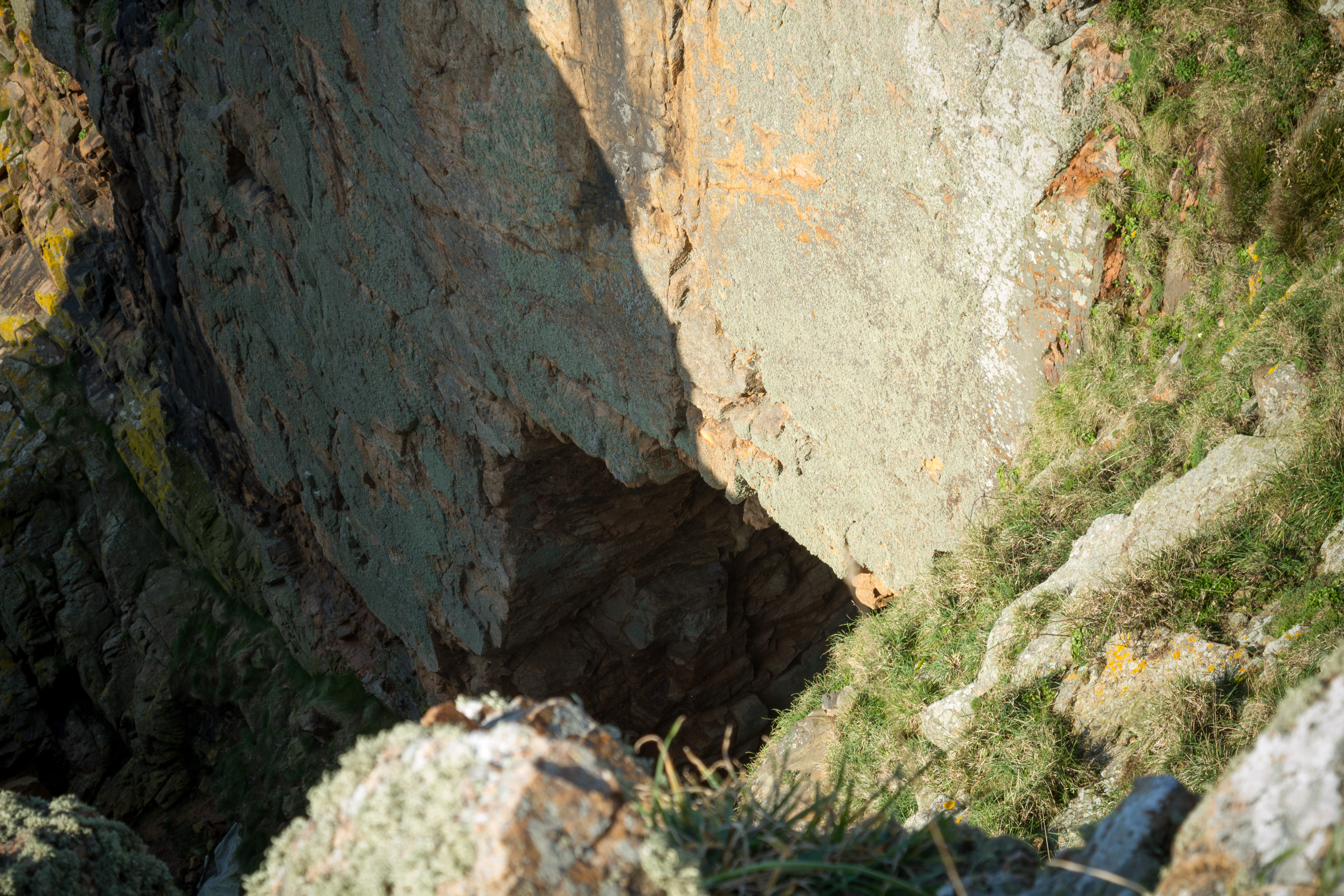
La Cotte de St Brelade
Paleolithic cave site with Neanderthal artifacts