Explore the Map
Oldbury Camp
51.2800° N, 0.2600° E
About
Oldbury Camp (also known as Oldbury hill fort) is the largest Iron Age hill fort in south-eastern England. It was built in the 1st century BC by Celtic British tribes on a hilltop west of Ightham, Kent, in a strategic location overlooking routes through the Kentish Weald. The fort comprises a bank and ditch enclosing an area of about 50 hectares (120 acres), with entrances at the north-east and south ends. Wooden gates barred the entrances. Archaeological excavations carried out in the 1930s and 1980s found that the hill fort's interior had probably not been permanently occupied. It had been abandoned around 50 BC and the north-east gate had been burned down, possibly due to a Roman invasion. The wooded southern part of Oldbury Camp is now owned and managed by the National Trust and is open to the public.
Historical Timeline
Journey through time and discover key events in this site's history
Hill fort construction
1st century BC
Abandonment of site
c. 50 BC
Caesar's invasions referenced
55–54 BC
Perimeter ditch cut
c. 100 BC
Excavation by Ward-Perkins
1938
National Trust acquisition
1945
Excavations 1983–84
1983–1984
Archaeological Features
Unique architectural and cultural elements found at this historical site
Defensive Structures
Water Management Features
Industrial and Craft Structures
Environmental and Natural Features
Frequently Asked Questions
Plan Your Visit
Tours, travel arrangements, and practical information
More Sites in United Kingdom
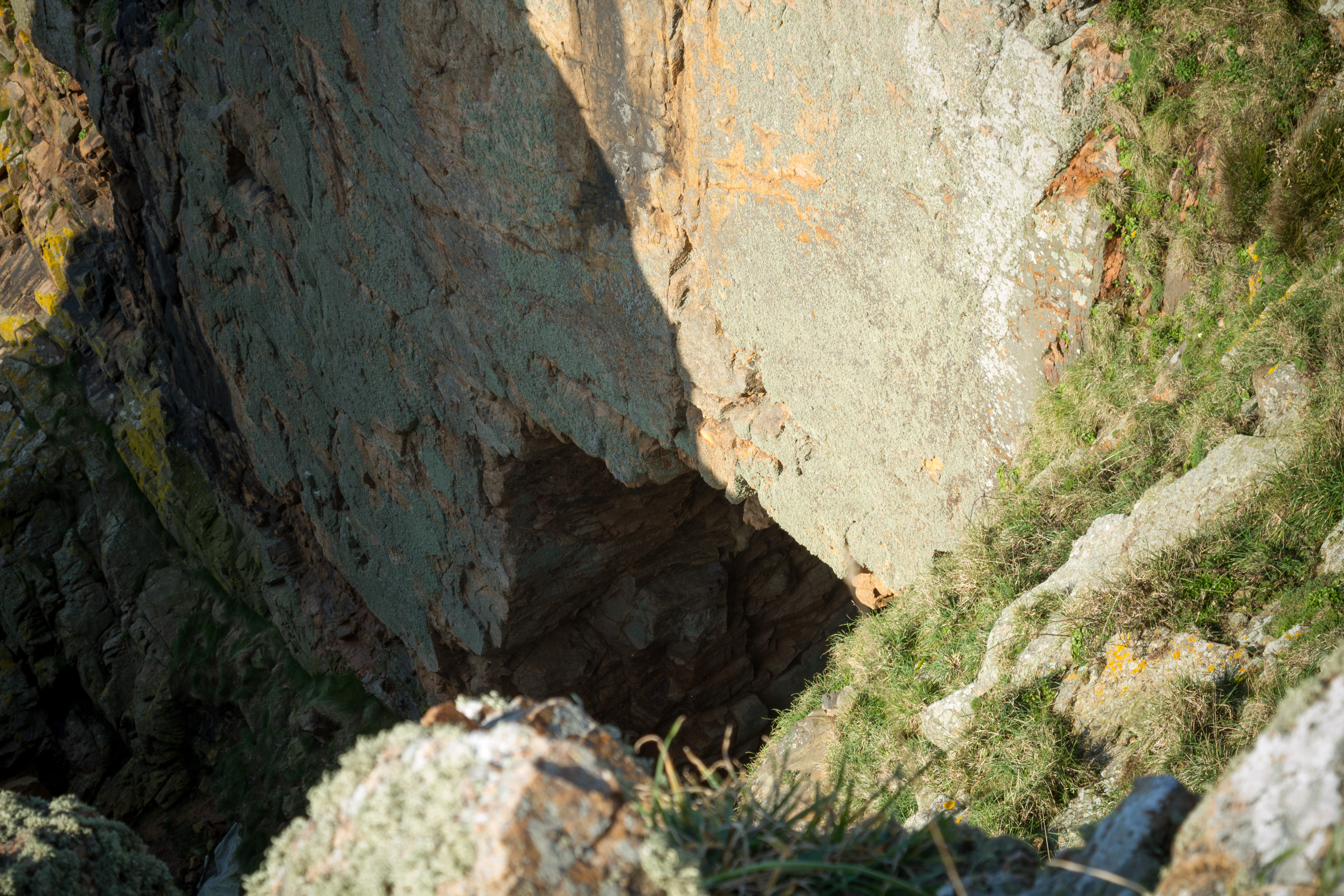
La Cotte de St Brelade
Paleolithic cave site with Neanderthal artifacts
Ringlemere barrow
Early Bronze Age barrow near Sandwich, Kent
Uffington Castle
Iron Age hillfort in Oxfordshire, England
Bloodgate Hill Iron Age Fort
Iron Age hill fort in Norfolk, England
Whitsbury Castle
Iron Age hillfort in Hampshire, United Kingdom
Crofton Pumping Station
Steam-era pumping station in Wiltshire, United Kingdom