Red Horse of Tysoe
The Red Horse of Tysoe was a hill figure in the parish of Tysoe, South Warwickshire, England, cut into the red clay below the escarpment of Edgehill.
Explore the Map
Red Horse of Tysoe
52.1012° N, -1.4839° E
About
The Red Horse of Tysoe was a hill figure in the parish of Tysoe, South Warwickshire, England, cut into the red clay below the escarpment of Edgehill. It gave its name to the surrounding area, which is still known as the Vale of Red Horse or Red Horse Vale. The figure was first recorded in 1607, and in its earliest form was nearly 100 yards long. Various dates have been suggested for its creation, ranging from the Anglo-Saxon period to the 15th century. It was recut several times over the next two centuries in widely differing forms and locations, giving a total of at least five different horse figures in the Vale. The last Red Horse was finally covered over around 1910 or 1914.
Plan Your Visit
Tours, travel arrangements, and practical information
More Sites in United Kingdom
Kents Cavern
Kents Cavern is a cave system in Torquay, Devon, England.
Diamond (1823 ship)
Early 19th‑century transatlantic shipwreck, Cardigan Bay
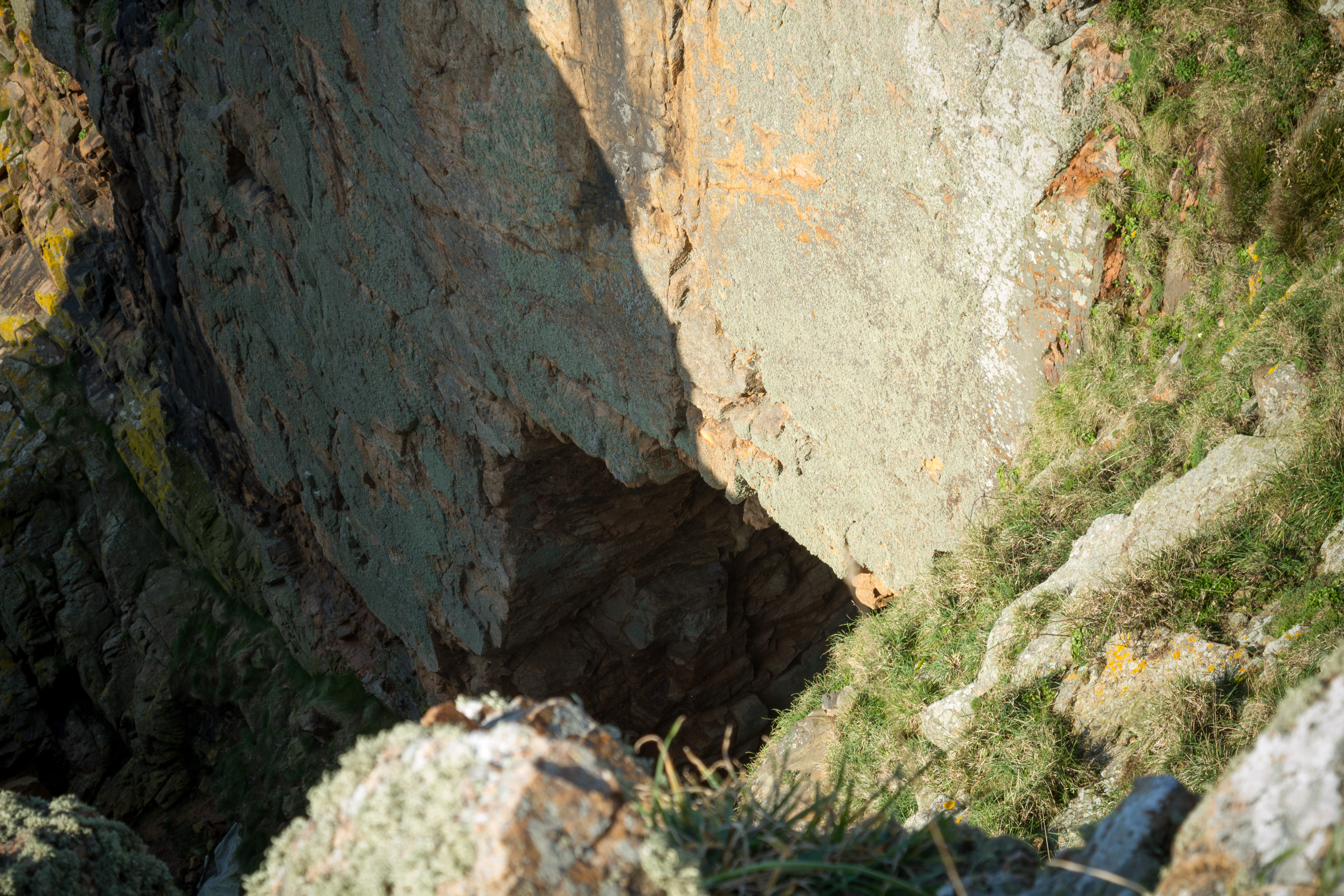
La Cotte de St Brelade
Paleolithic cave site with Neanderthal artifacts
Whitsbury Castle
Iron Age hillfort in Hampshire, United Kingdom
Blestium
Roman fort and ironworks, Monmouth, Wales
Sussex Greensand Way
Roman road in Sussex, United Kingdom