
Explore the Map
Skara Brae
59.0487° N, -3.3417° E
About
Skara Brae is a stone-built Neolithic settlement, located on the Bay of Skaill in the parish of Sandwick, on the west coast of Mainland, the largest island in the Orkney archipelago of Scotland. It consisted of ten clustered houses, made of flagstones, in earthen dams that provided support for the walls; the houses included stone hearths, beds, and cupboards. A primitive sewer system, with "toilets" and drains in each house, included water used to flush waste into a drain and out to the ocean. The site was occupied from roughly 3180 BC to about 2500 BC and is Europe's most complete Neolithic village. Skara Brae gained UNESCO World Heritage Site status as one of four sites making up "The Heart of Neolithic Orkney". Older than Stonehenge and the Great Pyramids of Giza, it has been called the "Scottish Pompeii" because of its excellent preservation. Care of the site is the responsibility of Historic Environment Scotland which works with partners in managing the site: Orkney Islands Council, NatureScot (Scottish Natural Heritage), and the Royal Society for the Protection of Birds. Visitors to the site are welcome during much of the year. Uncovered by a storm in 1850, the coastal site may now be at risk from climate change.
Historical Timeline
Journey through time and discover key events in this site's history
Professional excavation begins
mid-1927
Storm uncovers site
1850
Early amateur excavation abandoned
1868
Site plundered
1913
Major excavations and dating
1972-1973
Photograph re-examination
2019
Abandonment
c. 2500 BC
Occupation begins
c. 3180 BC
Archaeological Features
Unique architectural and cultural elements found at this historical site
Storage Structures
Miscellaneous Features
Industrial and Craft Structures
Domestic and Habitation Structures
Environmental and Natural Features
Food Production and Processing Features
Transportation and Communication Structures
Frequently Asked Questions
Plan Your Visit
Tours, travel arrangements, and practical information

More Sites in United Kingdom
Adam's Grave
Neolithic long barrow in Wiltshire, United Kingdom
Hawk Stone
Neolithic standing stone, Oxfordshire, UK
Ringlemere barrow
Early Bronze Age barrow near Sandwich, Kent
Sussex Greensand Way
Roman road in Sussex, United Kingdom
Diamond (1823 ship)
Early 19th‑century transatlantic shipwreck, Cardigan Bay
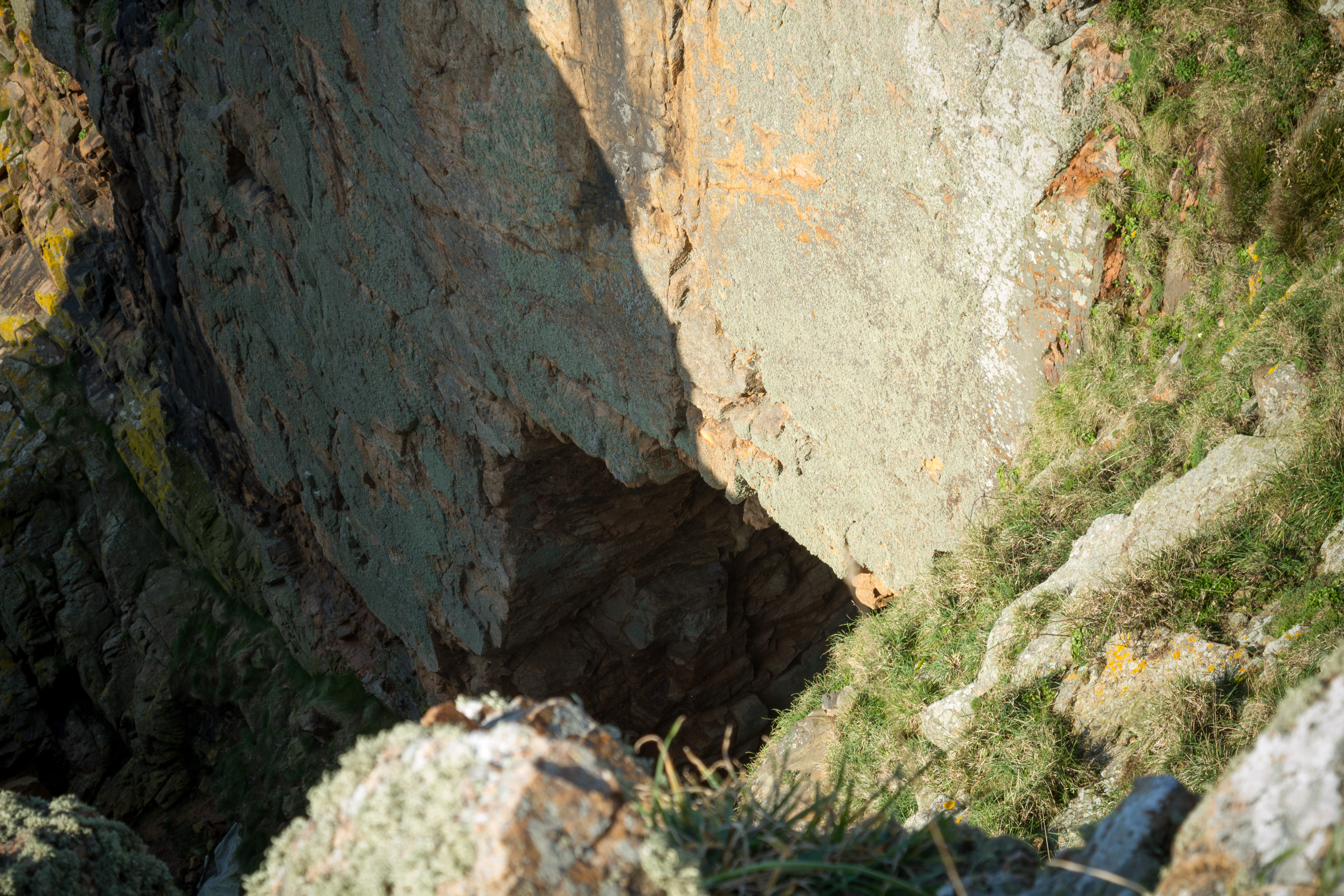
La Cotte de St Brelade
Paleolithic cave site with Neanderthal artifacts