
Explore the Map
Taversöe Tuick
59.1314° N, -3.0049° E
About
Taversöe Tuick (or Taversoe Tuick) is a Neolithic burial cairn on Rousay, Orkney, Scotland, thought to date from between 4000 and 2500 BCE. The monument includes a rare example of a double-tiered chamber, an upper chamber approached via a passageway and a lower subterranean chamber, originally separate, which can now be reached via a modern ladder from the upper chamber. It is unknown why the chambers were stacked in this way. The monument includes a third miniature chamber slightly downhill of the lower chamber, and linked to it by a small channel which has sometimes been called a 'drain' although that is not believed to be its true purpose. In 1898 excavations uncovered part of the upper chamber, and access was gained to the intact lower chamber. The site was fully excavated in 1937, at which time the upper chamber was covered with a domed roof. Finds included several skeletons, cremated bone, bowls, a mace-head, a flint arrowhead and scrapers, and shale disc beads. The site is a scheduled monument in the care of Historic Environment Scotland, and the monument and chambers are open to the public.
Historical Timeline
Journey through time and discover key events in this site's history
Excavation (partial)
1898
Full excavation
1937
Original construction
c. 4000–2500 BCE
Archaeological Features
Unique architectural and cultural elements found at this historical site
Miscellaneous Features
Burial and Funerary Structures
Environmental and Natural Features
Frequently Asked Questions
Plan Your Visit
Tours, travel arrangements, and practical information
More Sites in United Kingdom
Adam's Grave
Neolithic long barrow in Wiltshire, United Kingdom
Hawk Stone
Neolithic standing stone, Oxfordshire, UK
Ringlemere barrow
Early Bronze Age barrow near Sandwich, Kent
Bouldnor Cliff
Mesolithic submerged settlement, Isle of Wight
Sussex Greensand Way
Roman road in Sussex, United Kingdom
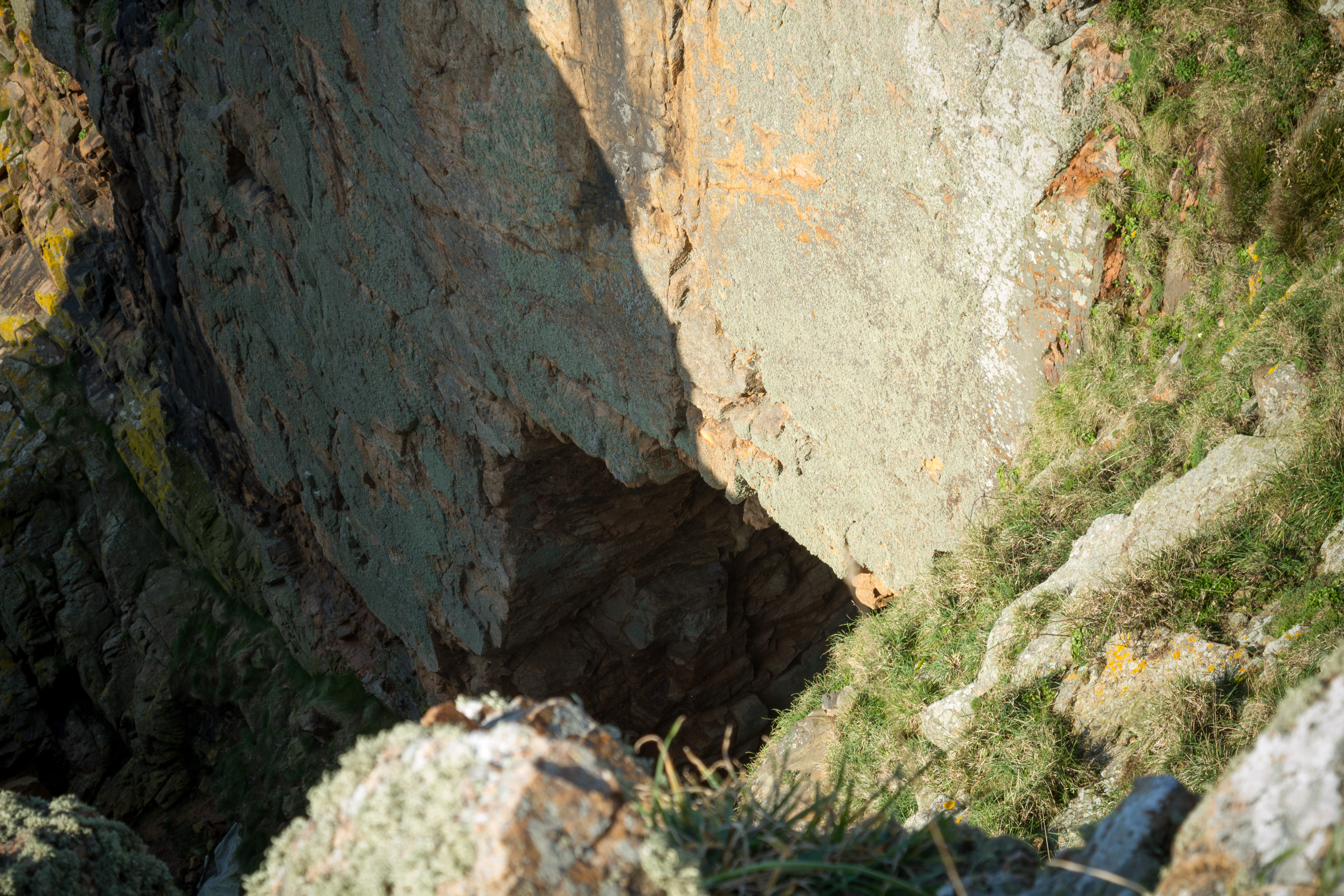
La Cotte de St Brelade
Paleolithic cave site with Neanderthal artifacts