Wayland's Smithy
Wayland's Smithy is an Early Neolithic chambered long barrow located near the village of Ashbury in the south-central English county of Oxfordshire.
Explore the Map
Wayland's Smithy
51.5668° N, -1.5961° E
About
Wayland's Smithy is an Early Neolithic chambered long barrow located near the village of Ashbury in the south-central English county of Oxfordshire. The barrow is believed to have been constructed about 3600 BCE by pastoral communities shortly after the introduction of agriculture to the British Isles from continental Europe. Although part of an architectural tradition of long barrow building that was widespread across Neolithic Europe, Wayland's Smithy belongs to a localised regional variant of barrows - found only in south-west of Britain - known as the Severn-Cotswold group. Wayland's Smithy is one of the best surviving examples of this type of barrow. The site's appearance is a result of restoration following excavations undertaken by archaeologists, Stuart Piggott and Richard Atkinson, in 1962–63. Their research of the site showed it had been built in two different phases. First as a timber-chambered oval barrow built around 3590 and 3550 BCE and then later as a stone-chambered long barrow in around 3460 to 3400 BCE. The barrow is on the same hill range as Uffington White Horse and Uffington Castle; it is also close to The Ridgeway, the ancient trackway across the Berkshire Downs. The barrow, which is a scheduled monument, is under the guardianship of English Heritage and open all year round. It has been used as a ritual site in modern Paganism since the late 20th century.
Plan Your Visit
Tours, travel arrangements, and practical information

More Sites in United Kingdom
Sussex Greensand Way
Roman road in Sussex, United Kingdom
Kents Cavern
Kents Cavern is a cave system in Torquay, Devon, England.
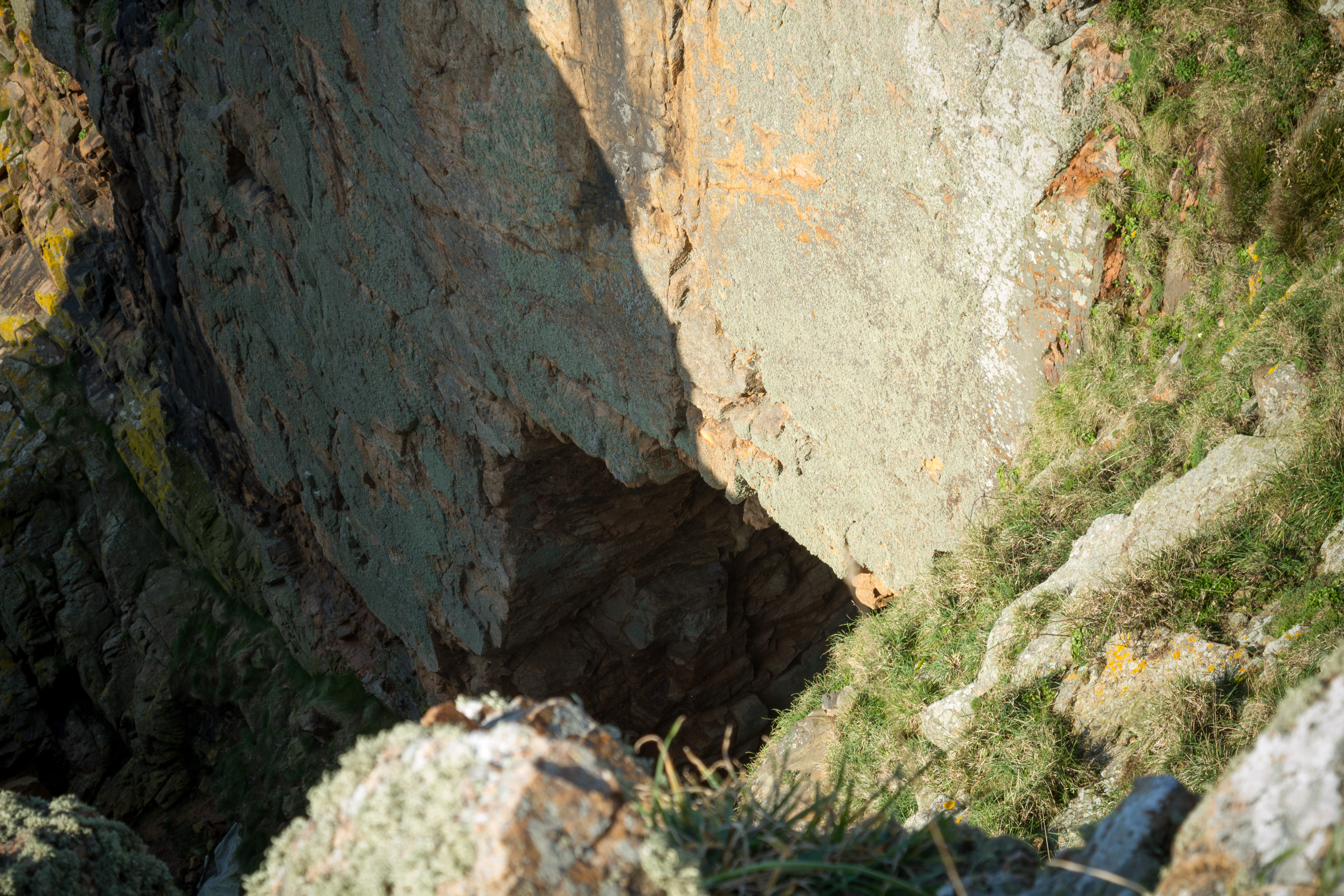
La Cotte de St Brelade
Paleolithic cave site with Neanderthal artifacts
Bloodgate Hill Iron Age Fort
Iron Age hill fort in Norfolk, England
Crofton Pumping Station
Steam-era pumping station in Wiltshire, United Kingdom
Diamond (1823 ship)
Early 19th‑century transatlantic shipwreck, Cardigan Bay