
Explore the Map
Con Moong Cave
20.2875° N, 105.6050° E
About
The Con Moong Cave, located in the Cúc Phương National Park in northern Vietnam, is an archaeological site of significant importance due to its extensive cultural layers, which offer a chronological record of human activity from the Upper Paleolithic through the Mesolithic and into the Neolithic periods. The site provides evidence of the transition from hunter-gatherer societies to early agricultural communities, showcasing a sequence of cultural evolution. Notably, the cave contains layers linked to the Sơn Vi, Hòa Bình, and Bắc Sơn cultures, characterized by distinct tool-making techniques and burial practices. The presence of mollusk shells and evidence of cooking activities further enriches our understanding of the subsistence strategies employed by these ancient communities. Recognized for its archaeological significance, Con Moong Cave has been included in the UNESCO World Heritage Tentative List, underscoring its value in studying Southeast Asian prehistory.
Historical Timeline
Journey through time and discover key events in this site's history
End of Old Stone Age
10,000 BCE
Middle Stone Age
9,000 BCE
New Stone Age
6,000 BCE
Archaeological Features
Unique architectural and cultural elements found at this historical site
Burial and Funerary Structures
Domestic and Habitation Structures
Environmental and Natural Features
Frequently Asked Questions
Plan Your Visit
Tours, travel arrangements, and practical information
More Sites in Vietnam
Mán Bạc
Neolithic cemetery in Ninh Bình, Vietnam (c.1850–1650 BC)
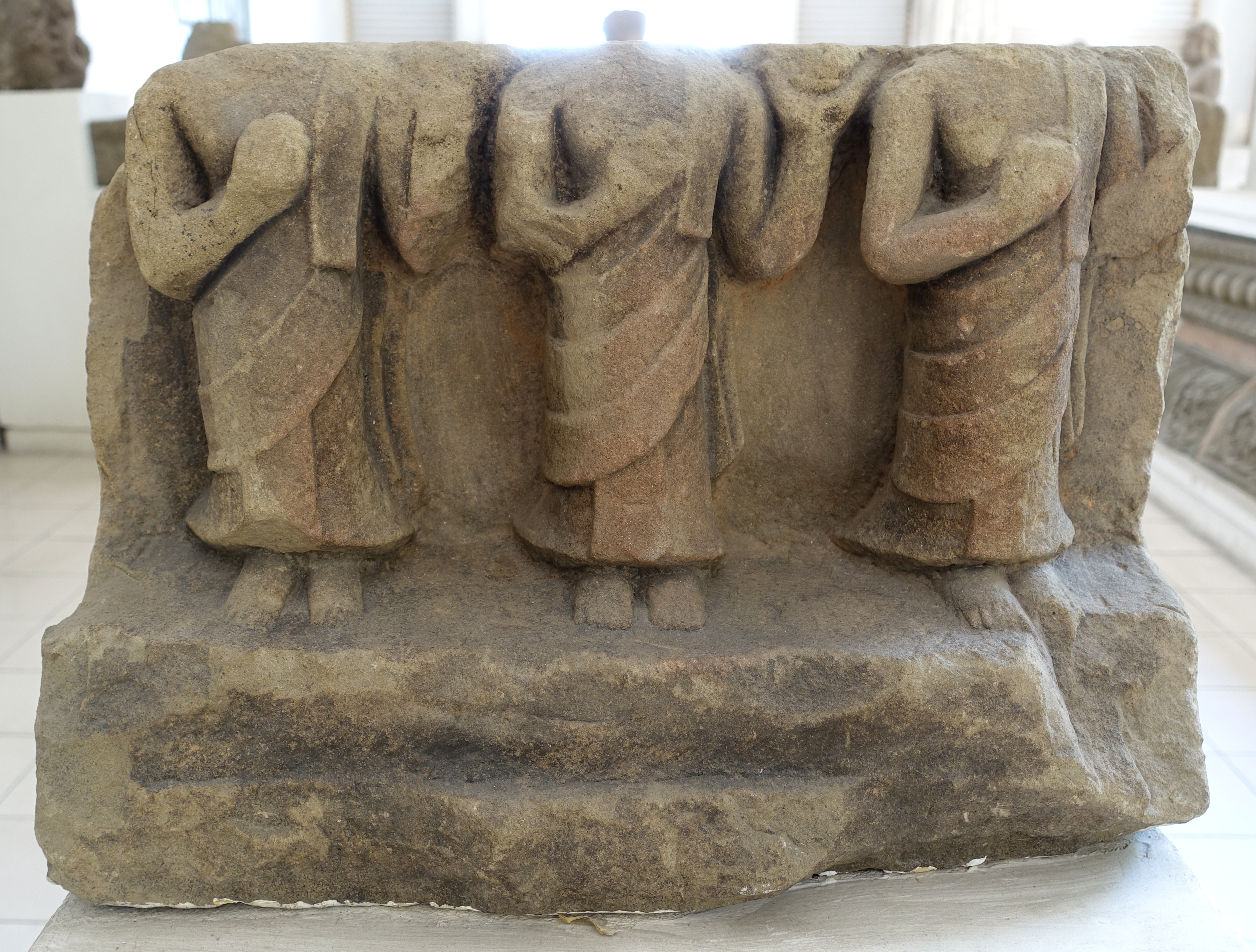
Indrapura (Champa)
Ruins of ancient Cham capital city.
Mỹ Sơn
Ancient Cham Hindu temple complex in Vietnam
Phong Châu
Capital city ruins of ancient Văn Lang
Hoi An Ancient Town
<p>Hoi An Ancient Town is an exceptionally well-preserved example of a South-East Asian trading port dating from the 15th to the 19th century. Its buildings…
Cổ Loa Citadel
Fortified settlement with concentric ramparts.