

Explore the Map
Socotra Governorate
12.4510° N, 53.6120° E
About
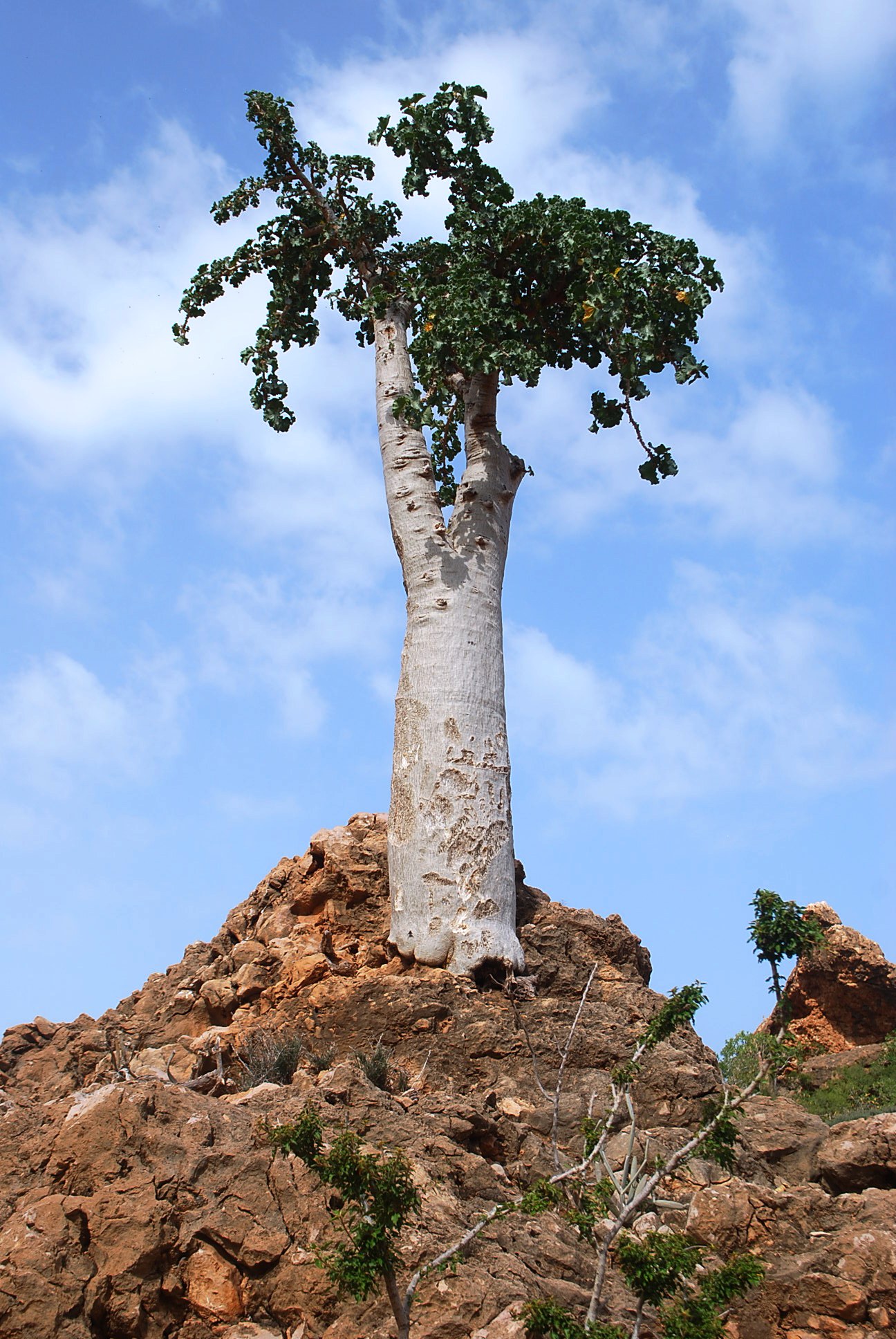
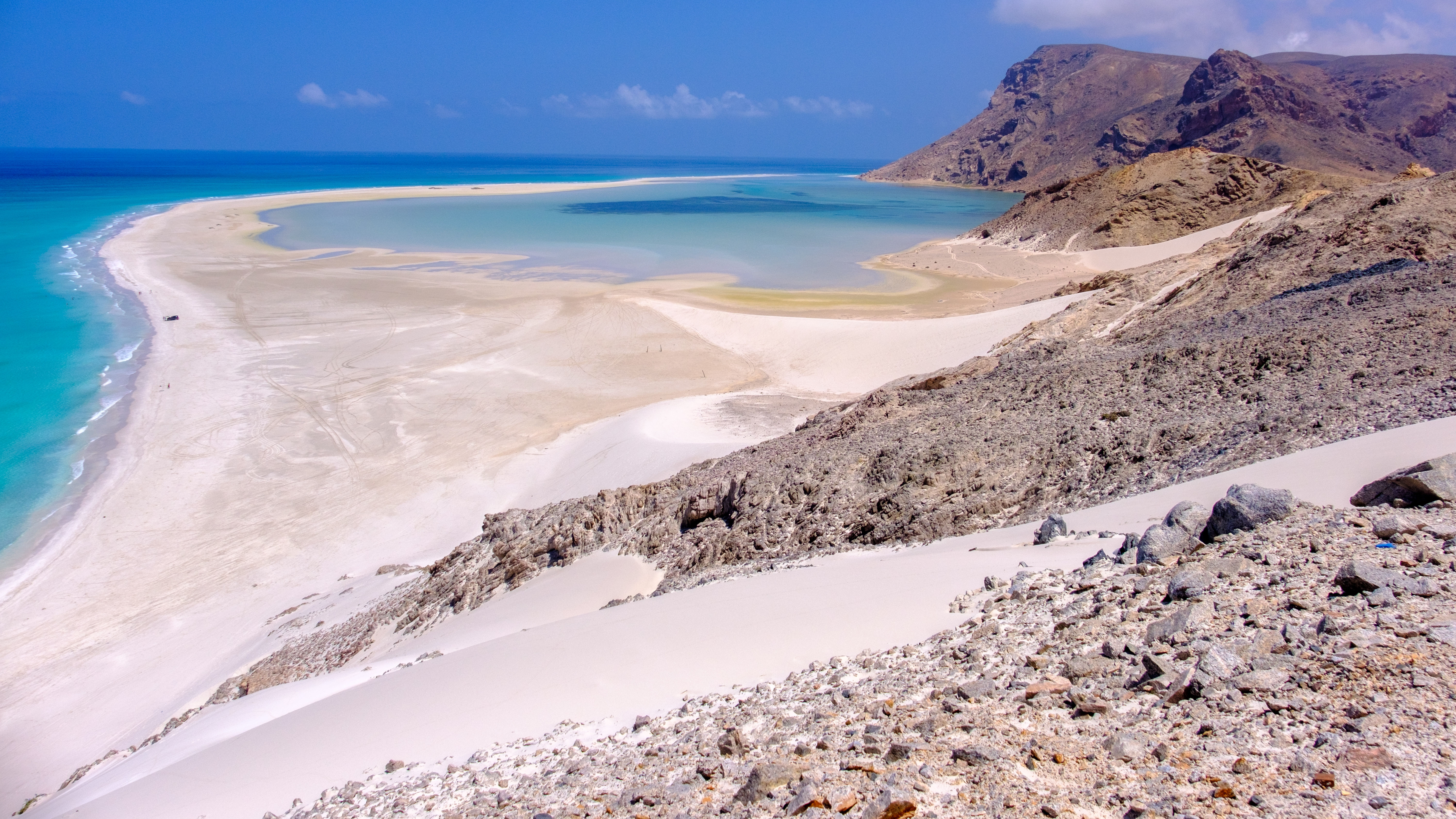
The Socotra Archipelago, part of Yemen, is an ecologically unique site located in the Indian Ocean. Known for its rich biodiversity, over 700 endemic species are found here, showcasing a high level of endemism comparable to regions like New Zealand and the Galápagos Islands. Historically, Socotra has been part of various political entities, starting with the Mahra Sultanate, then British India, and later the Aden Protectorate, before becoming a governorate of its own in Yemen. Its strategic location has led to geopolitical interest, with the UAE and Saudi Arabia playing roles during the Yemen Civil War. The archipelago's geological history traces back to its detachment from the Gondwana supercontinent, highlighting its continental origin. Its recognition as a UNESCO World Heritage site underscores its ecological and geological significance.
Gallery
Explore photographs of ancient structures, artifacts, and archaeological excavations
Historical Timeline
Journey through time and discover key events in this site's history
Part of Mahra Sultanate
Pre-19th century
British Capture of Socotra
1937 CE
Socotra in Aden Protectorate
1937 CE
Attachment to Aden Governorate
1967 CE
Move to Hadhramaut Governorate
2004 CE
Formation of Socotra Governorate
2013 CE
UAE Administrative Control
2018 CE
Southern Transitional Council Control
2020 CE
Archaeological Features
Unique architectural and cultural elements found at this historical site
Environmental and Natural Features
Plan Your Visit
Tours, travel arrangements, and practical information
More Sites in Yemen

Sanaa
Ancient fortified city with unique architecture
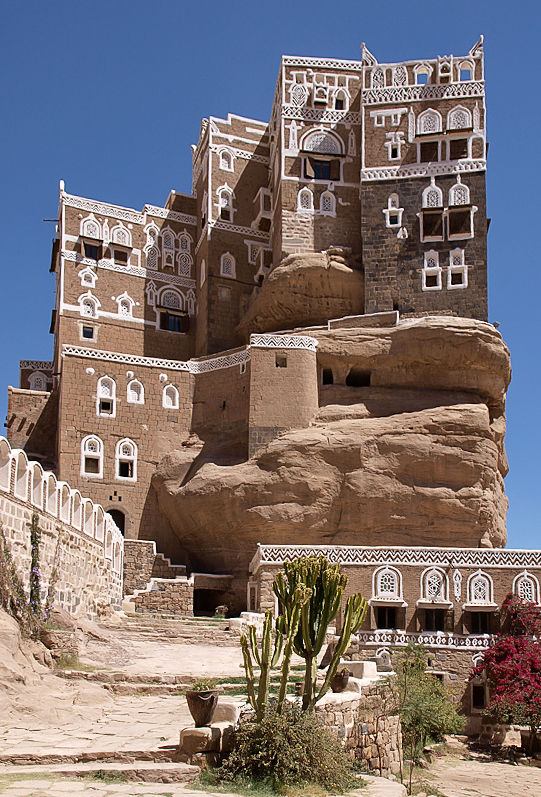
Shibam
Ancient mudbrick skyscraper city in Yemen.
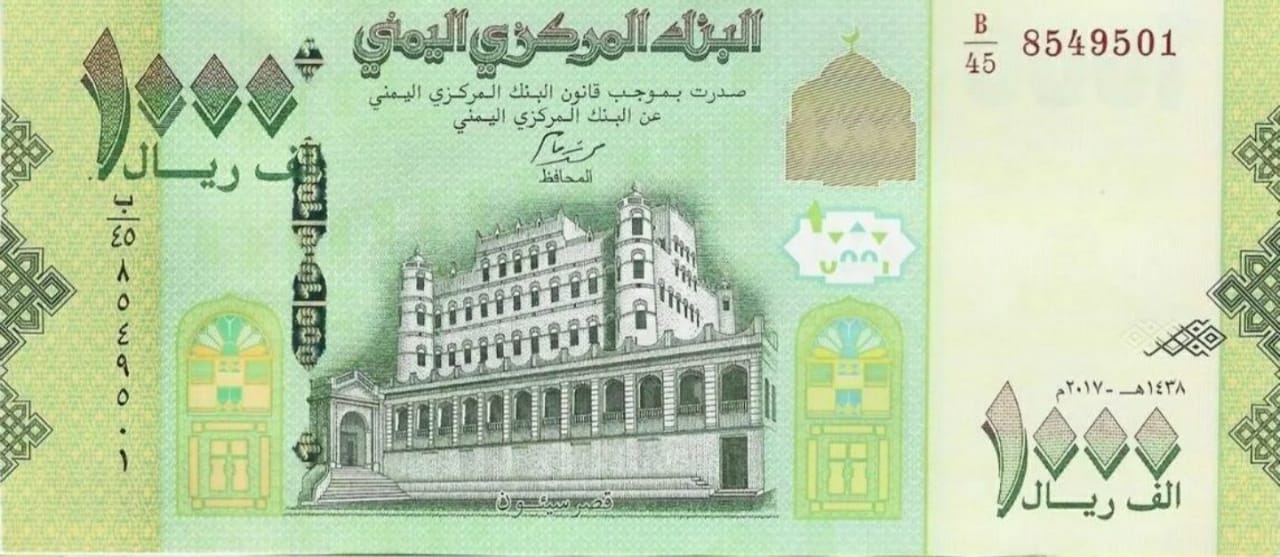
Seiyun Palace
Large mud-brick palace in Yemen.
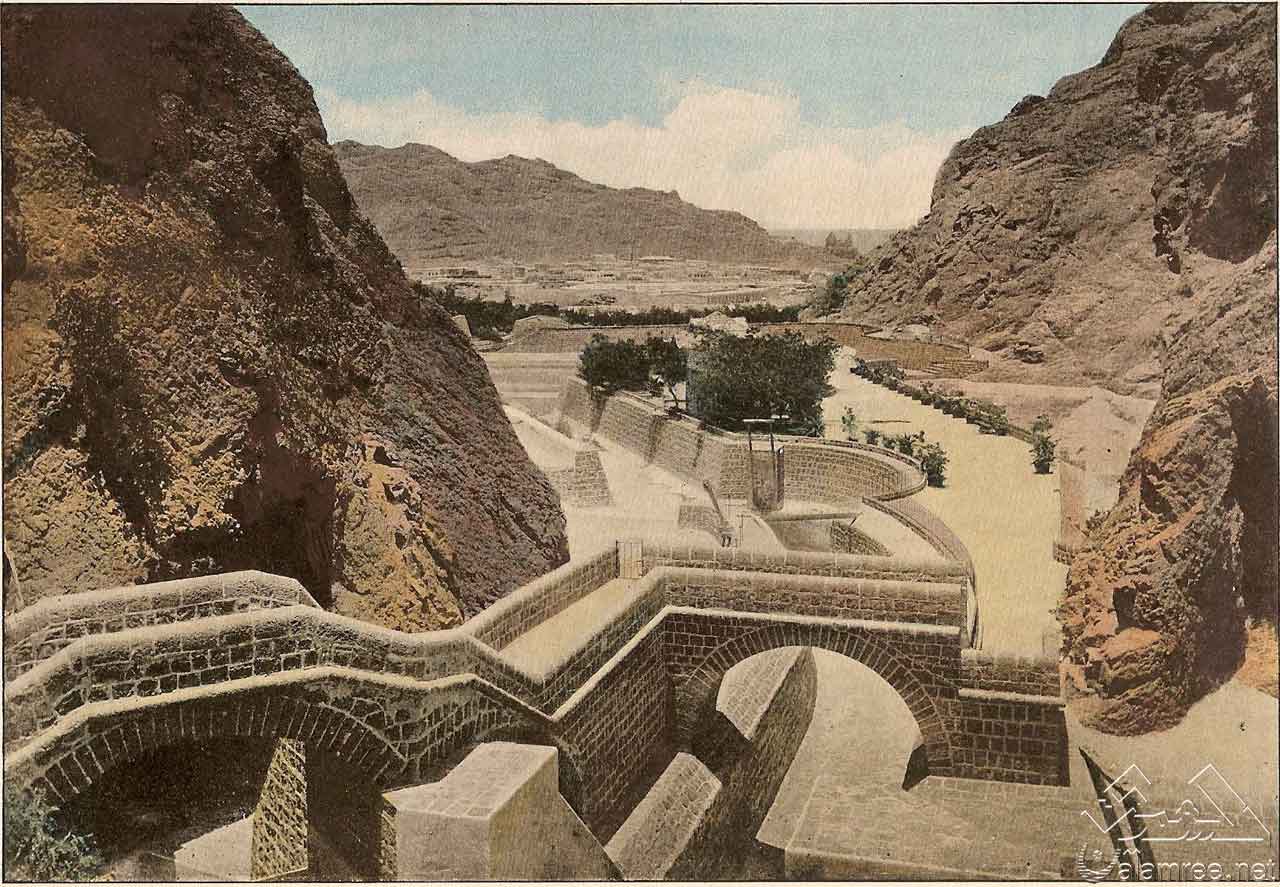
Cisterns of Tawila
Ancient cisterns hewn from volcanic rock.
Sharma (medieval)
Medieval fortified trading port site

Qabr Hud
Traditional burial site with ancient ruins.