Time Periods
Paleolithic
Mesolithic
Neolithic
Chalcolithic
Bronze Age
Iron Age
Classical Period
Post-Classical Period
Early Modern Period
Industrial Period
Contemporary Period
Time Periods
Paleolithic
Mesolithic
Neolithic
Chalcolithic
Bronze Age
Iron Age
Classical Period
Post-Classical Period
Early Modern Period
Industrial Period
Contemporary Period
Location
About
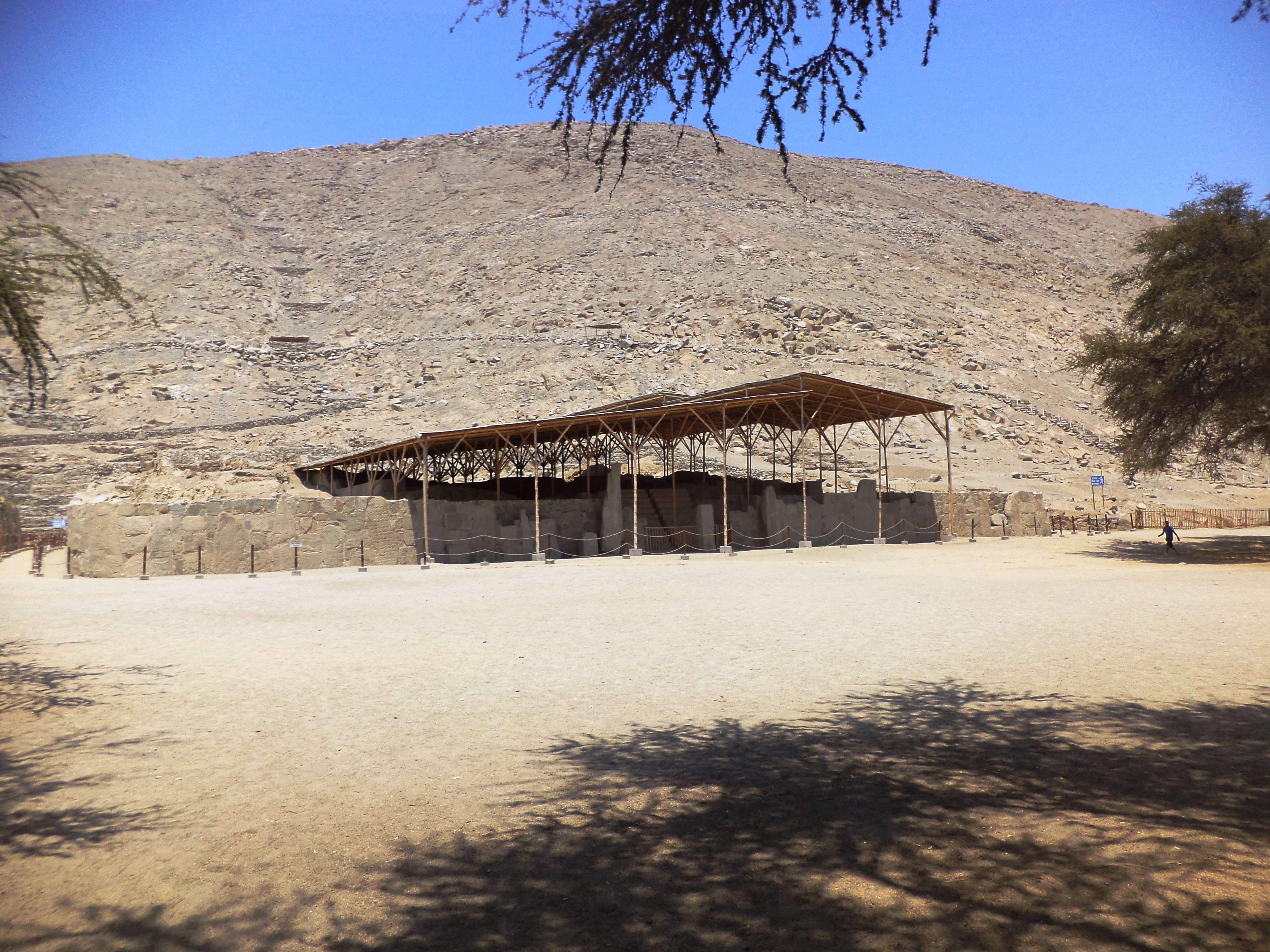
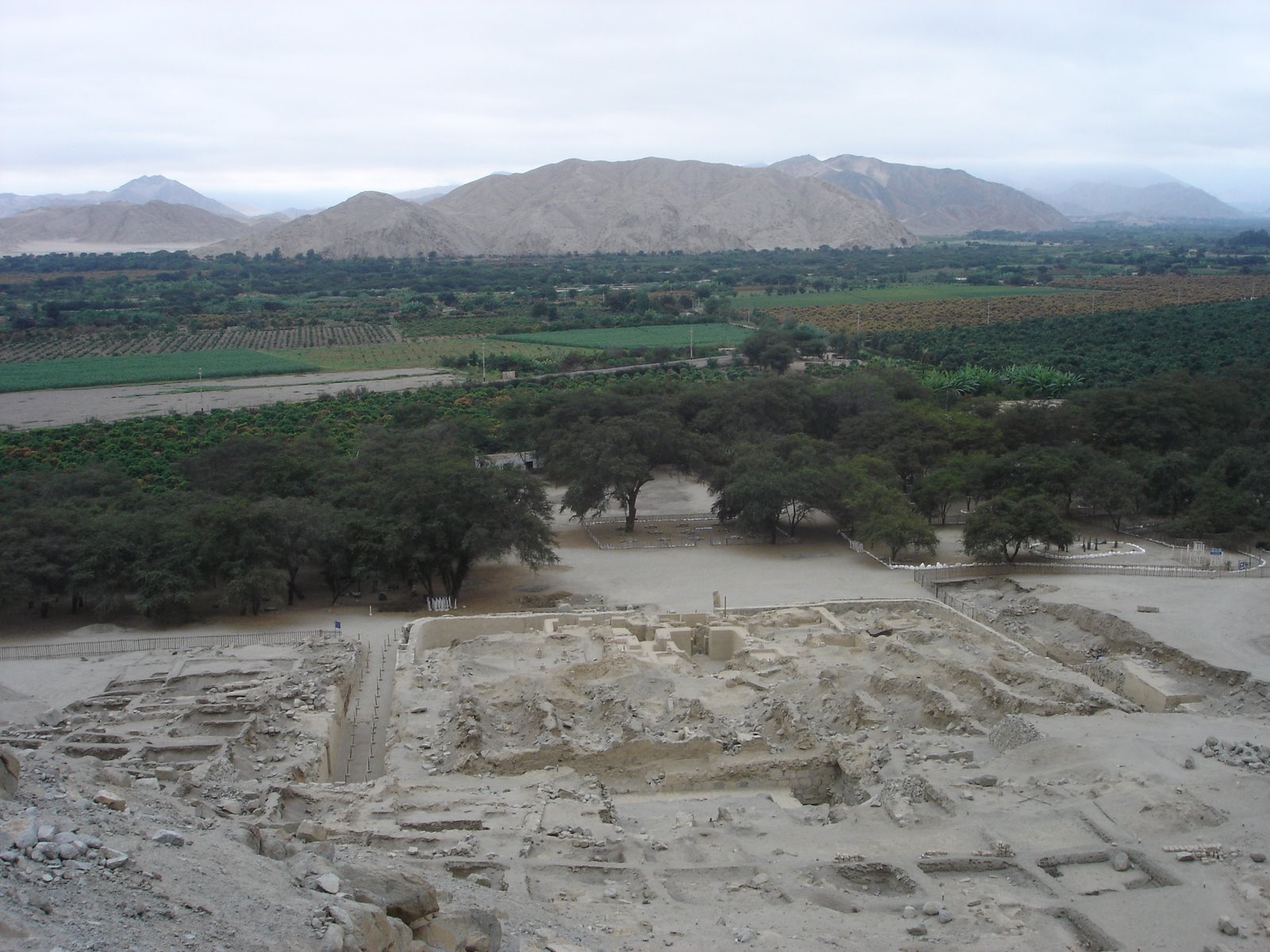
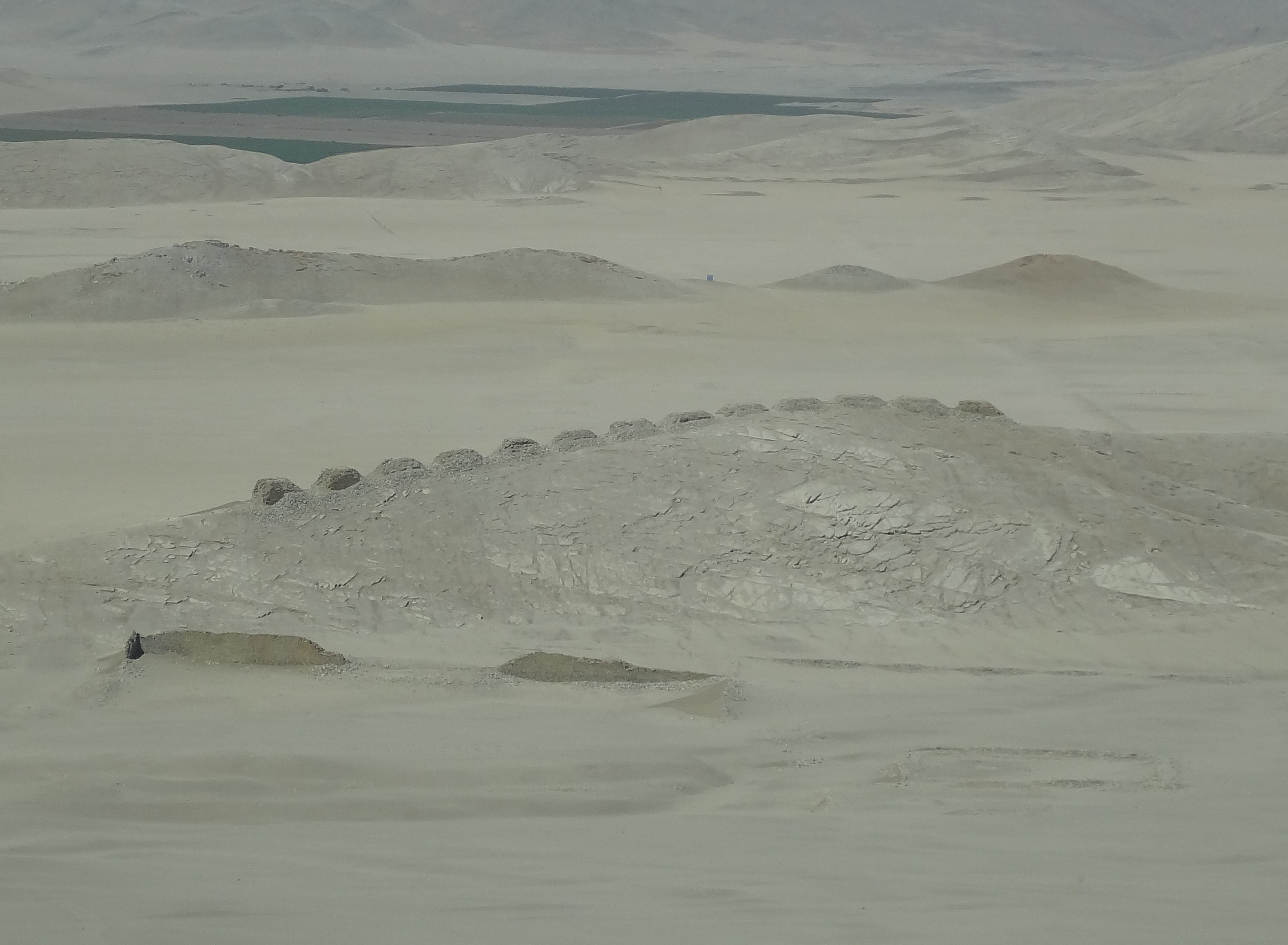
The Casma-Sechin culture, located in the valleys of the Casma and Sechin Rivers in Peru, is significant for its monumental architecture dating back to 3600 BCE. This culture developed independently and is characterized by its ceremonial platforms, pyramids, plazas, and fortresses. The Sechin Alto pyramid, built between 1600 and 1400 BCE, was the largest construction in the Americas at its time. The culture thrived through a combination of agriculture and maritime resources, with notable trade in cotton for fishing nets. The influence of the highland Chavin culture in the Early Horizon period brought new architectural styles and agricultural practices. Eventually, conflict led to the decline and abandonment of key sites around 100 BCE.
Gallery
Explore photographs of ancient structures, artifacts, and archaeological excavations at Casma–Sechin culture
Archaeological Features
Explore the unique architectural and cultural elements found at this historical site
Defensive Structures
Public and Civic Structures
Burial and Funerary Structures
Religious and Ritual Structures
Agricultural and Land Use Features
Astronomical and Timekeeping Structures
Historical Timeline
Journey through time and discover key events in this site's archaeological history
Plan Your Visit
Details
- Country
- Ancash Region
- Source
- Wikipedia
More Sites in Ancash Region
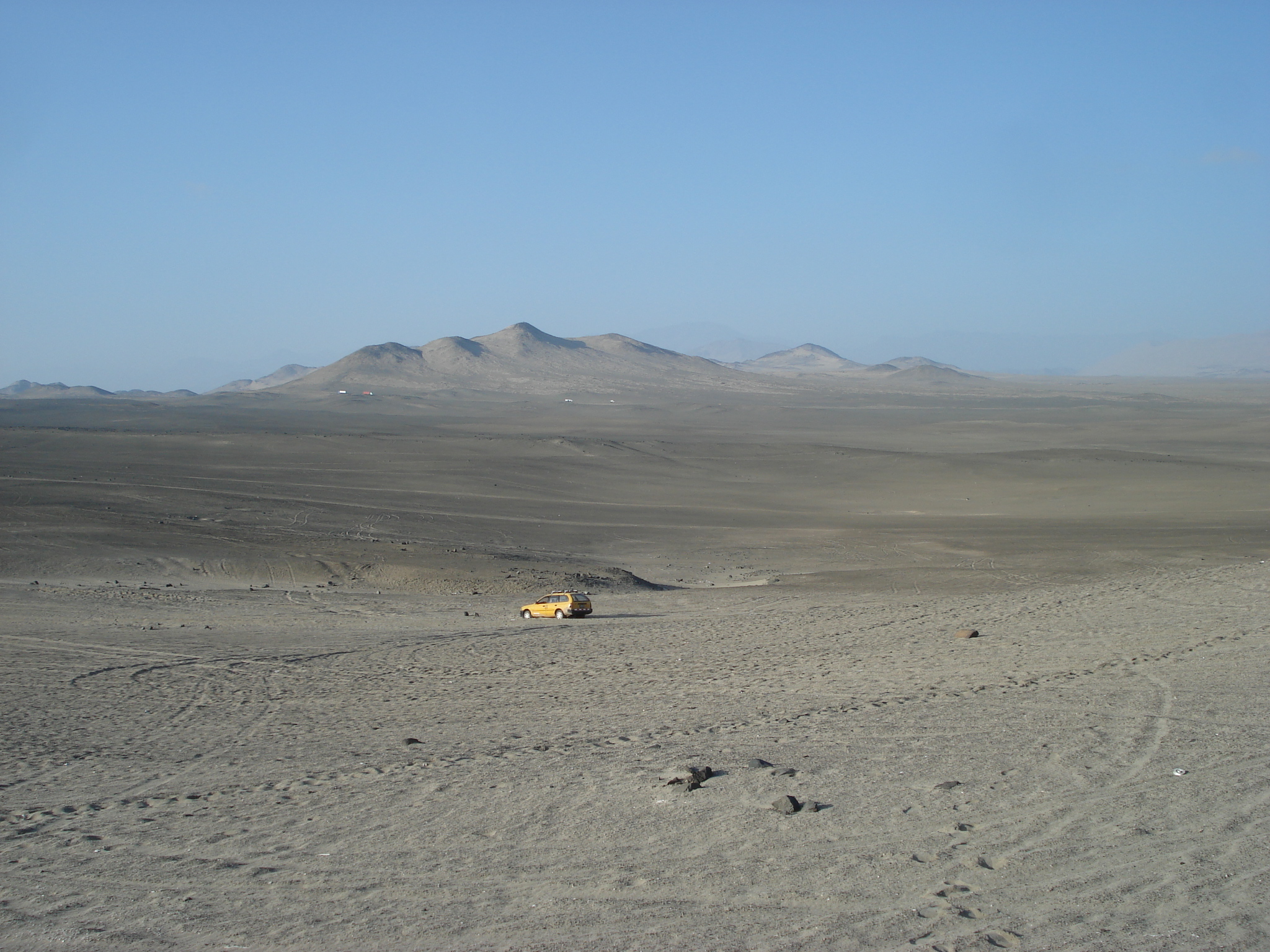
Las Haldas
Early coastal settlement with monumental mounds
Tumshukayko
Pre-Inca monumental center with stone structures
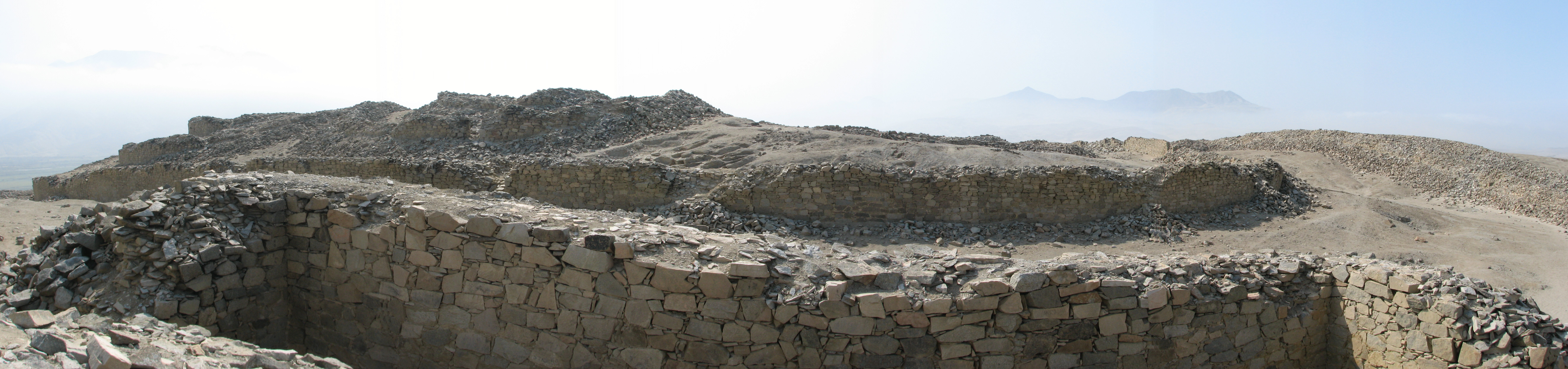
Chanquillo
Ancient solar observatory with fortifications
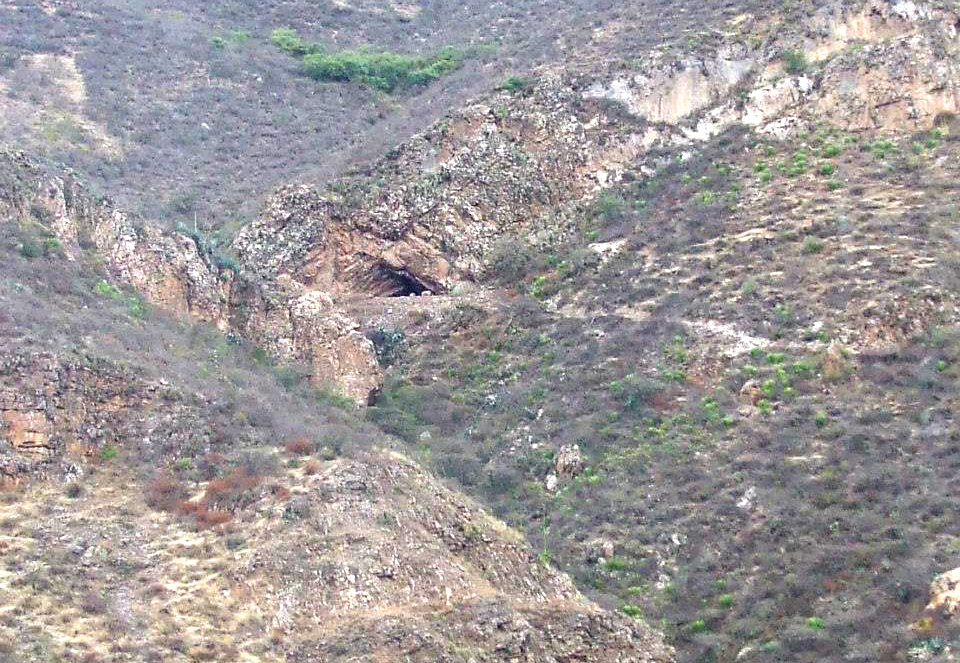
Guitarrero Cave
High-altitude cave with ancient human artifacts
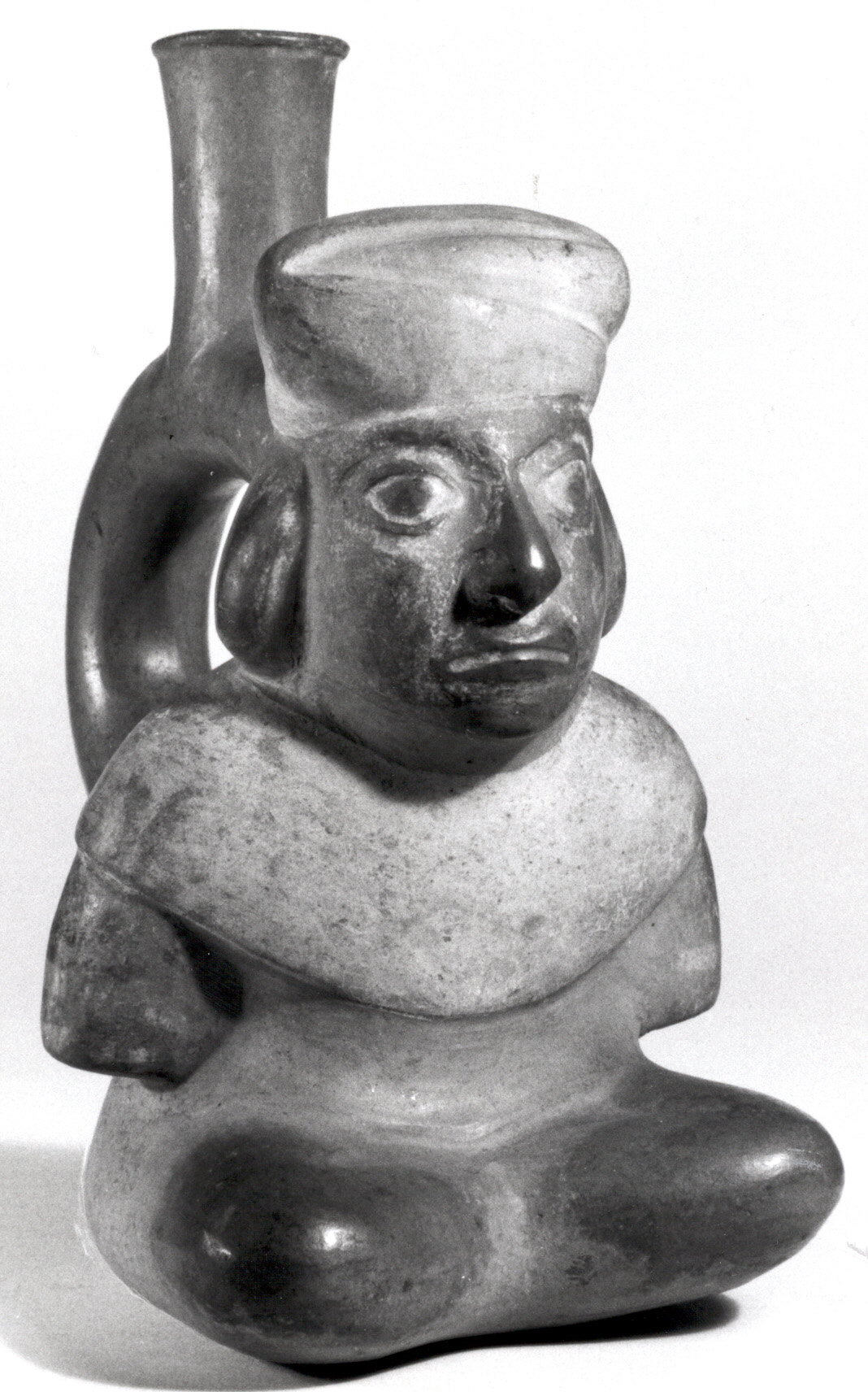
Honcopampa
High-altitude archaeological site in Peru
Cerro Sechín
Explore this archaeological site.