Cerro Sechín
Time Periods
Paleolithic
Mesolithic
Neolithic
Chalcolithic
Bronze Age
Iron Age
Classical Period
Post-Classical Period
Early Modern Period
Industrial Period
Contemporary Period
Time Periods
Paleolithic
Mesolithic
Neolithic
Chalcolithic
Bronze Age
Iron Age
Classical Period
Post-Classical Period
Early Modern Period
Industrial Period
Contemporary Period
Location
About
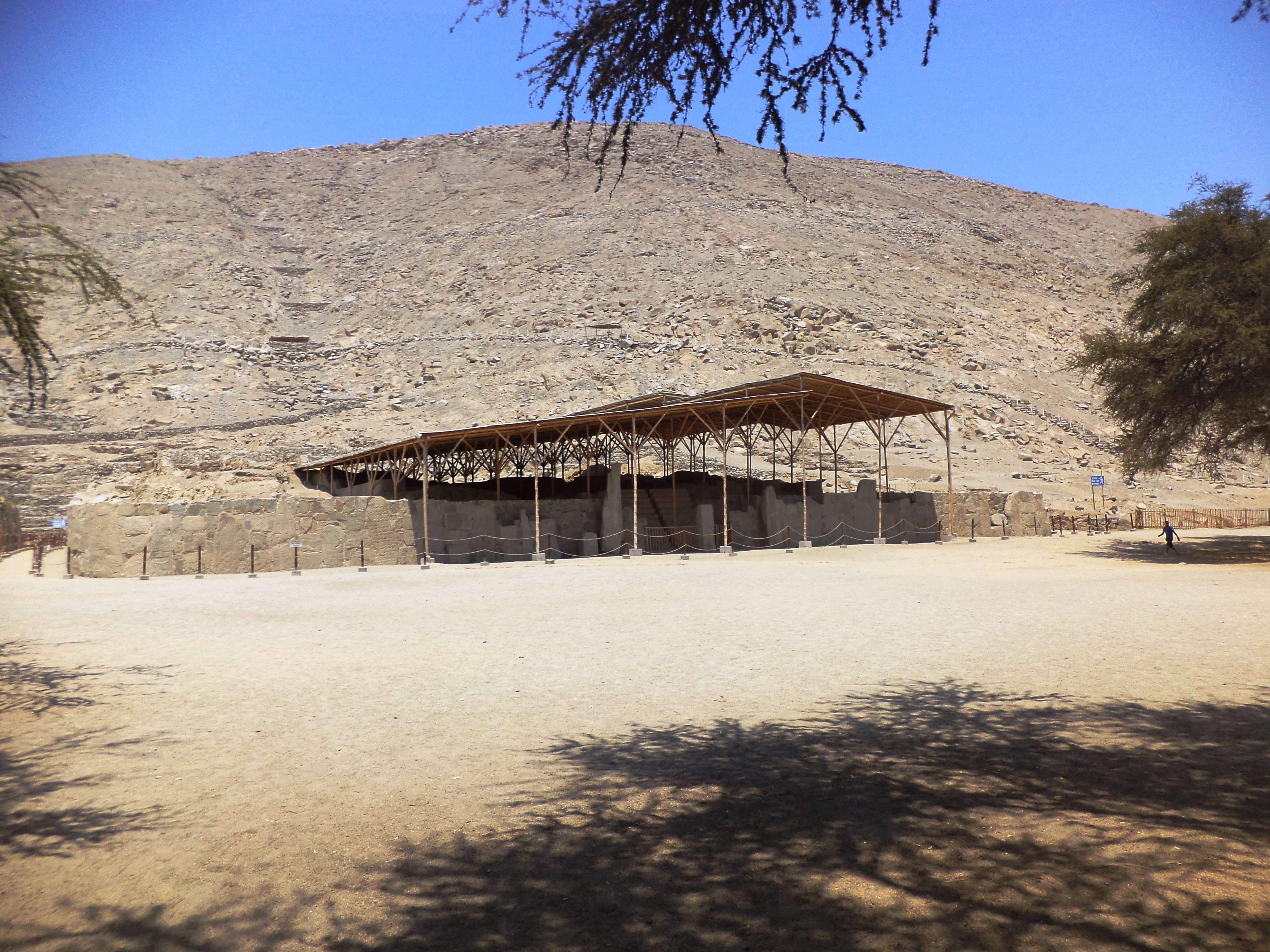
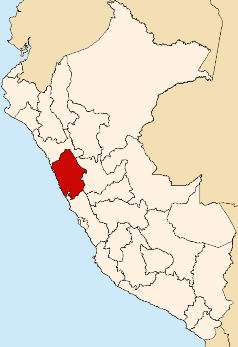
Cerro Sechín (also Sechín de las Estelas) is an archaeological site in Casma Province of Ancash Region in northern Peru. Dating to 1600 BC, the site was discovered by Peruvian archaeologists Julio C. Tello and Toribio Mejía Xesspe on July 1, 1937. Tello believed it was the capital of an entire culture, now known as the Casma/Sechin culture or Sechin complex. Notable features include megalithic architecture with carved figures in bas-relief, which graphically dramatize human sacrifices. Cerro Sechín is situated within the Sechin Alto Complex, as are Sechin Bajo, and Taukachi-Konkan. There is a small on-site museum. The slabs at Cerro Sechin may represent the central Andes' oldest known monumental sculpture.
Plan Your Visit
Details
- Country
- Ancash Region
- Source
- Wikipedia
More Sites in Ancash Region
Casma–Sechin culture
Monumental ruins in Casma and Sechin valleys
Honcopampa
High-altitude archaeological site in Peru
El Castillo de Huarmey
Pyramid-like structure with royal Wari tombs
Tumshukayko
Pre-Inca monumental center with stone structures
Waraqayuq
Mountain site in the Cordillera Blanca.
Wilcahuaín
Explore this archaeological site.