Explore the Map
Daxinzhuang
36.7112° N, 117.1065° E
About
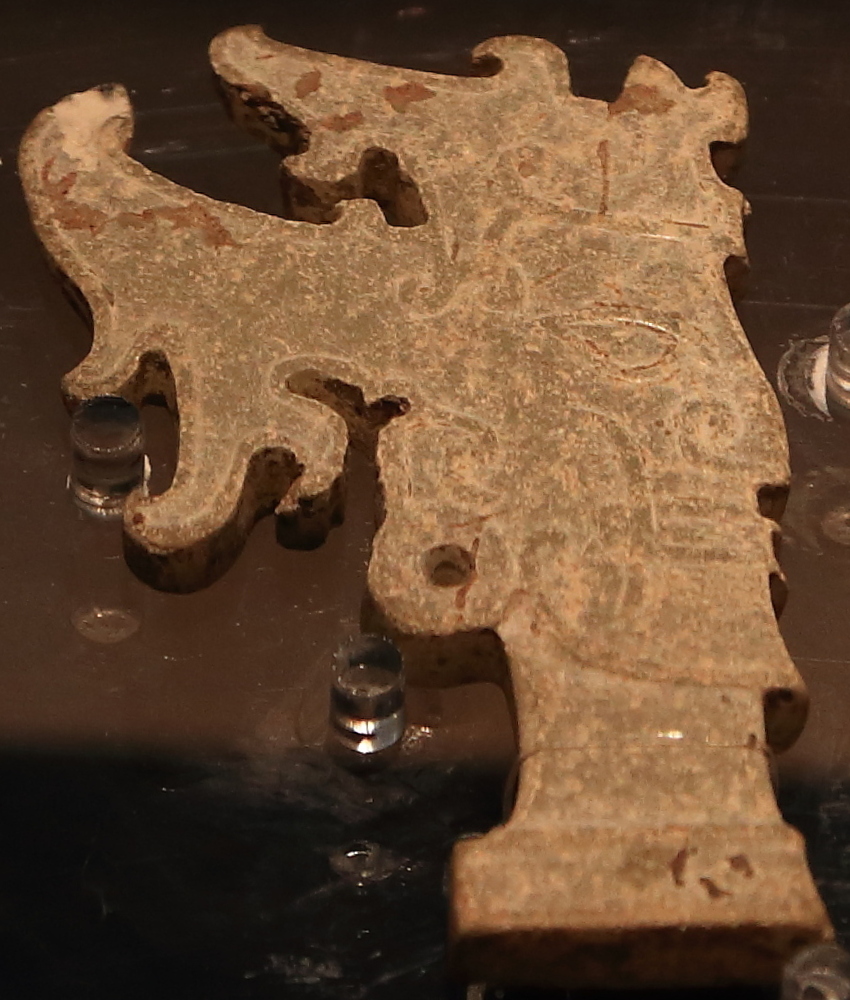
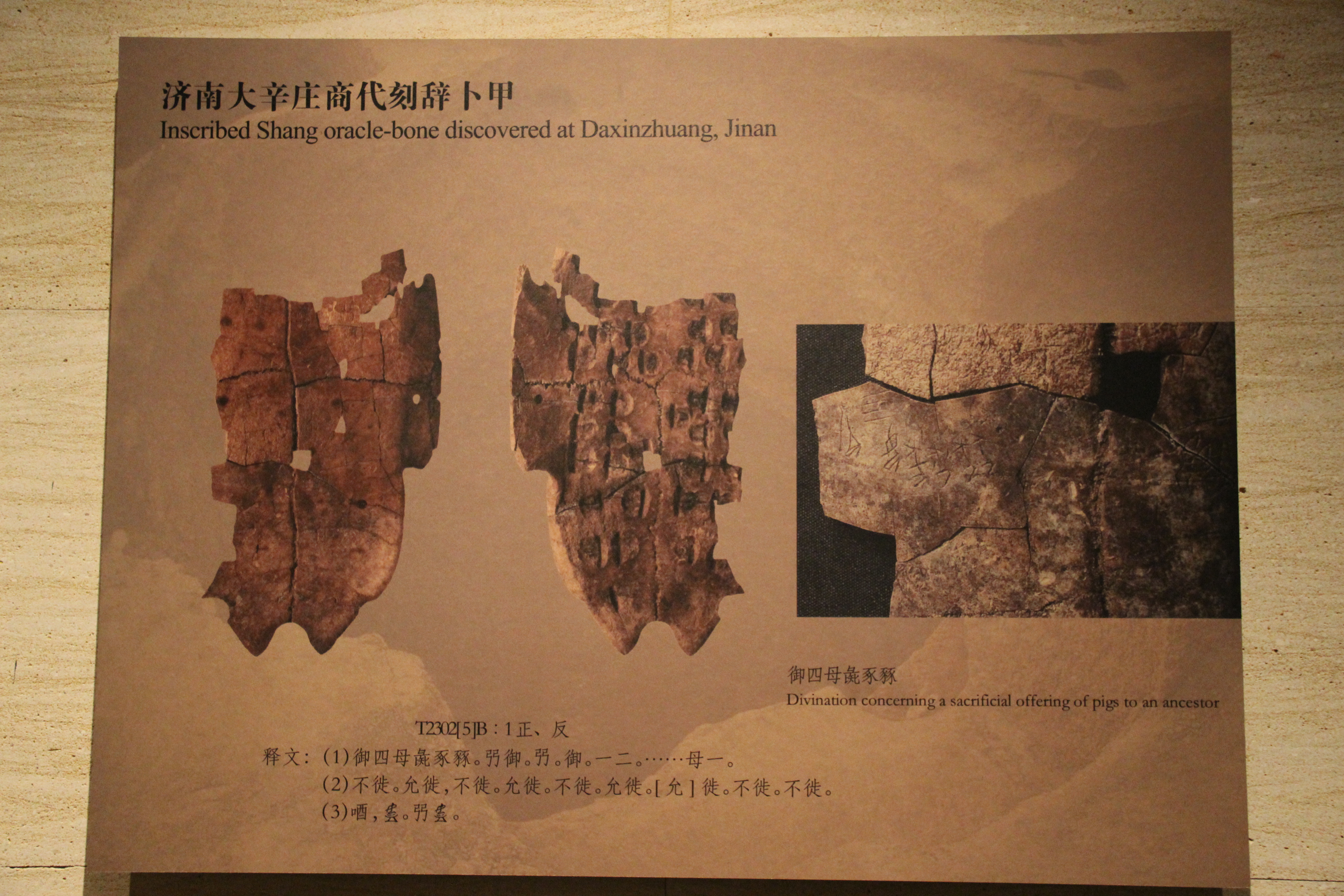
Daxinzhuang, located in Shandong, China, is an archaeological site of significant historical importance, primarily during the Late Bronze Age. Initially occupied by the Neolithic Longshan and Yueshi cultures, it became an urban center during the late Erligang period (early 13th century BCE), marking a period of expansion from Henan into Shandong. The site, strategically positioned along major trade routes, emerged as a hub for goods such as pearls, shells, and metal. Notably, it housed a regional variant of the oracle bone script, indicative of its connection and communication with Shang royal influence. Despite its urban prominence, the site continued to evolve with significant occupation during the Zhou and Han dynasties. Excavations have revealed various artifacts, including oracle bones, indicating its cultural and historical significance.
Gallery
Explore photographs of ancient structures, artifacts, and archaeological excavations
Historical Timeline
Journey through time and discover key events in this site's history
Late Erligang urbanization
early 13th century BCE
Anyang period expansion
c. 1200 BCE
Zhou and Han occupation
c. 1046 BCE – 220 CE
Yueshi culture phase
c. 1900 – c. 1500 BCE
Neolithic Longshan occupation
c. 3000 – c. 1900 BCE
Archaeological Features
Unique architectural and cultural elements found at this historical site
Miscellaneous Features
Water Management Features
Burial and Funerary Structures
Domestic and Habitation Structures
Frequently Asked Questions
Plan Your Visit
Tours, travel arrangements, and practical information
More Sites in China
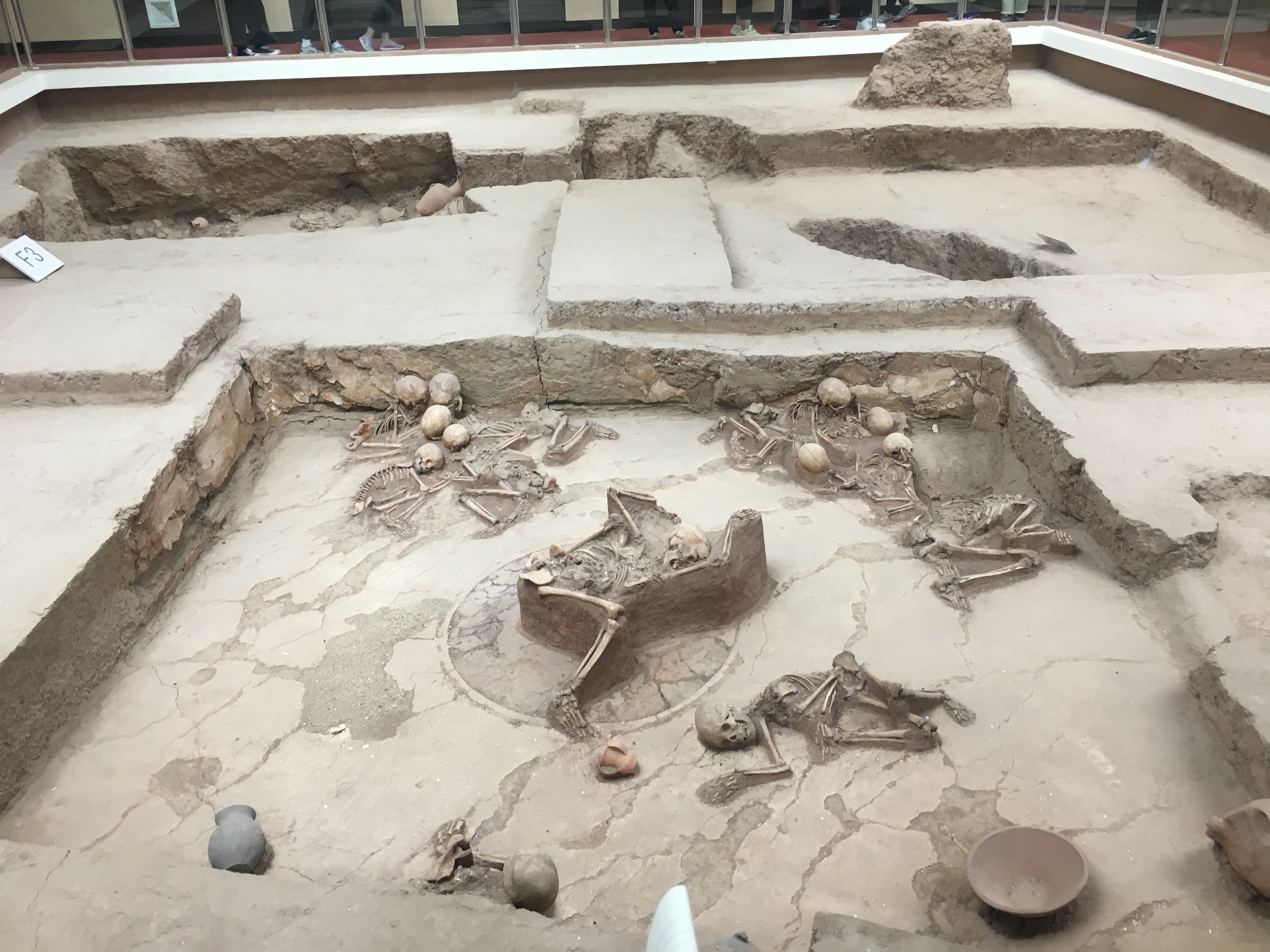
Lajia
Bronze Age site in Yellow River region
Ye (Hebei)
Ancient Chinese city, significant historical capital

Xigoupan
Ordos culture tombs with Scythian artifacts
Shangjing Longquanfu
Balhae capital city ruins, 8th–10th centuries
Laosicheng
Largest, best-preserved ancient Tusi city
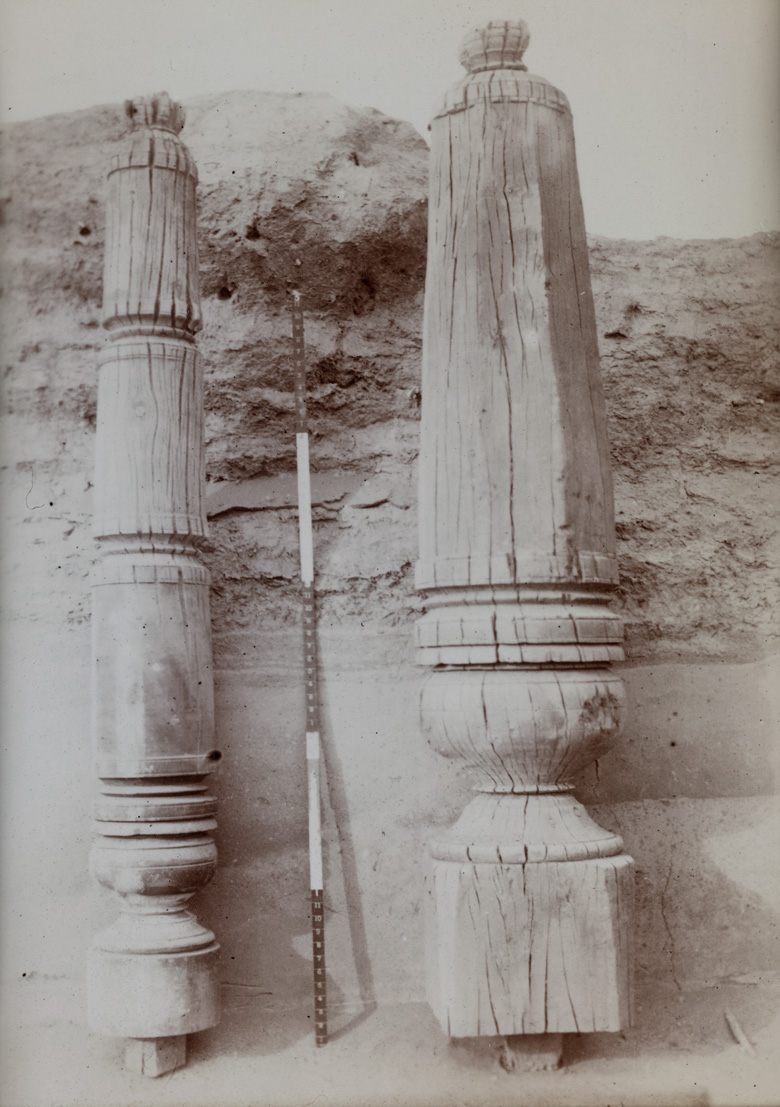
Endere
Ancient military post and Buddhist center