Explore the Map
Jinsha site
30.6812° N, 104.0126° E
About
Jinsha (Chinese: 金沙; pinyin: Jīnshā) is a Chinese archaeological site located in Qingyang, Chengdu, the capital of the Chinese province of Sichuan. The site is one of the major archaeological discoveries in China during the 21st century. It is listed on the UNESCO World Cultural Heritage Tentative List and Major Sites Protected at the National Level. The Chinese Internet Information Centre ranked Jinsha 5th on the Top 10 Archaeological Discoveries in 2001. In 2007, the Jinsha Museum was constructed to display the artefacts and features found. This includes the gold sunbird, smiling gold mask and the kneeling stone figures. The gold sunbird artefact is a national symbol of China according to the State Administration of Cultural Heritage. Jinsha is organised into different archaeological localities such as Mei Yuan, Lan Yuan and Tiyu Gongyuan. After the decline of Sanxingdui, Jinsha emerged as the capital of the Shu state in the Shang or Western Zhou dynasty. It disappeared between 500 BCE and 200 BCE due to political revolution, earthquakes and/or flooding. In 2013, History Channel Asia produced a one-hour English language documentary called The Lost City at Jinsha. It was co-produced with China International Communication Centre (CICC). Dr Agnes Hsu, a Chinese American archaeologist, hosted the episode. The episode is part of the documentary series called 'Mysteries of China'.
Historical Timeline
Journey through time and discover key events in this site's history
Tiyu Gongyuan excavations
October–November 2001
Accidental discovery
8 February 2001
Initial excavations begin
9 February 2001
Site abandonment
500–200 BCE
Field surveys at Huangzhongcun
1995–2000
Lan Yuan excavations
July 2001–January 2002
Recognition among top discoveries
2001
Gold sunbird designated as symbol
2005
Jinsha Museum opened
2007
Documentary on Jinsha
2013
Archaeological Features
Unique architectural and cultural elements found at this historical site
Storage Structures
Miscellaneous Features
Burial and Funerary Structures
Industrial and Craft Structures
Religious and Ritual Structures
Artistic and Decorative Features
Domestic and Habitation Structures
Frequently Asked Questions
Plan Your Visit
Tours, travel arrangements, and practical information
More Sites in China
Lajia
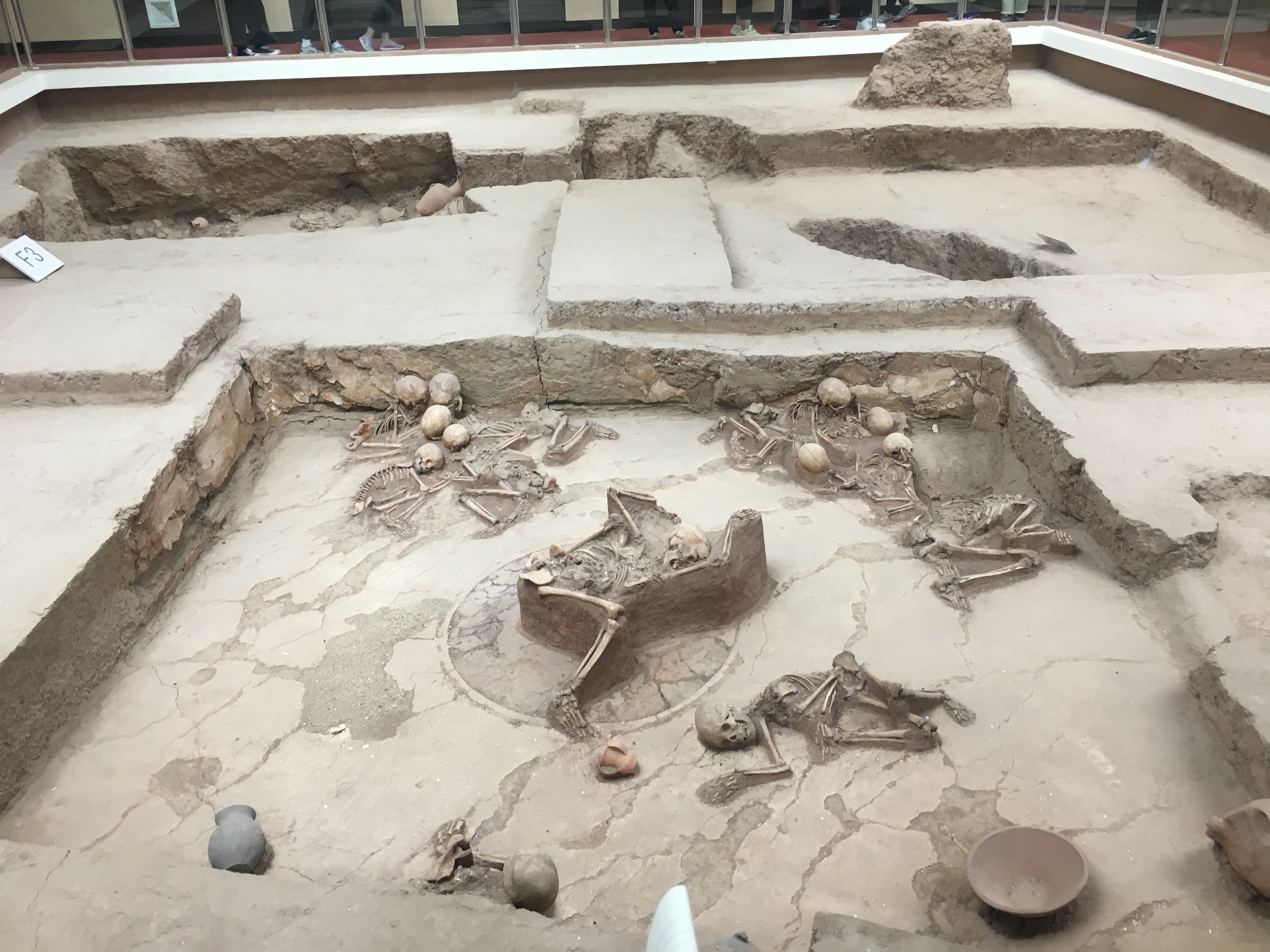
Bronze Age site in Yellow River region
Tomb of An Jia
Sogdian funerary monument in Xi'an, Northern Zhou (6th century)
Lingshan Islamic Cemetery
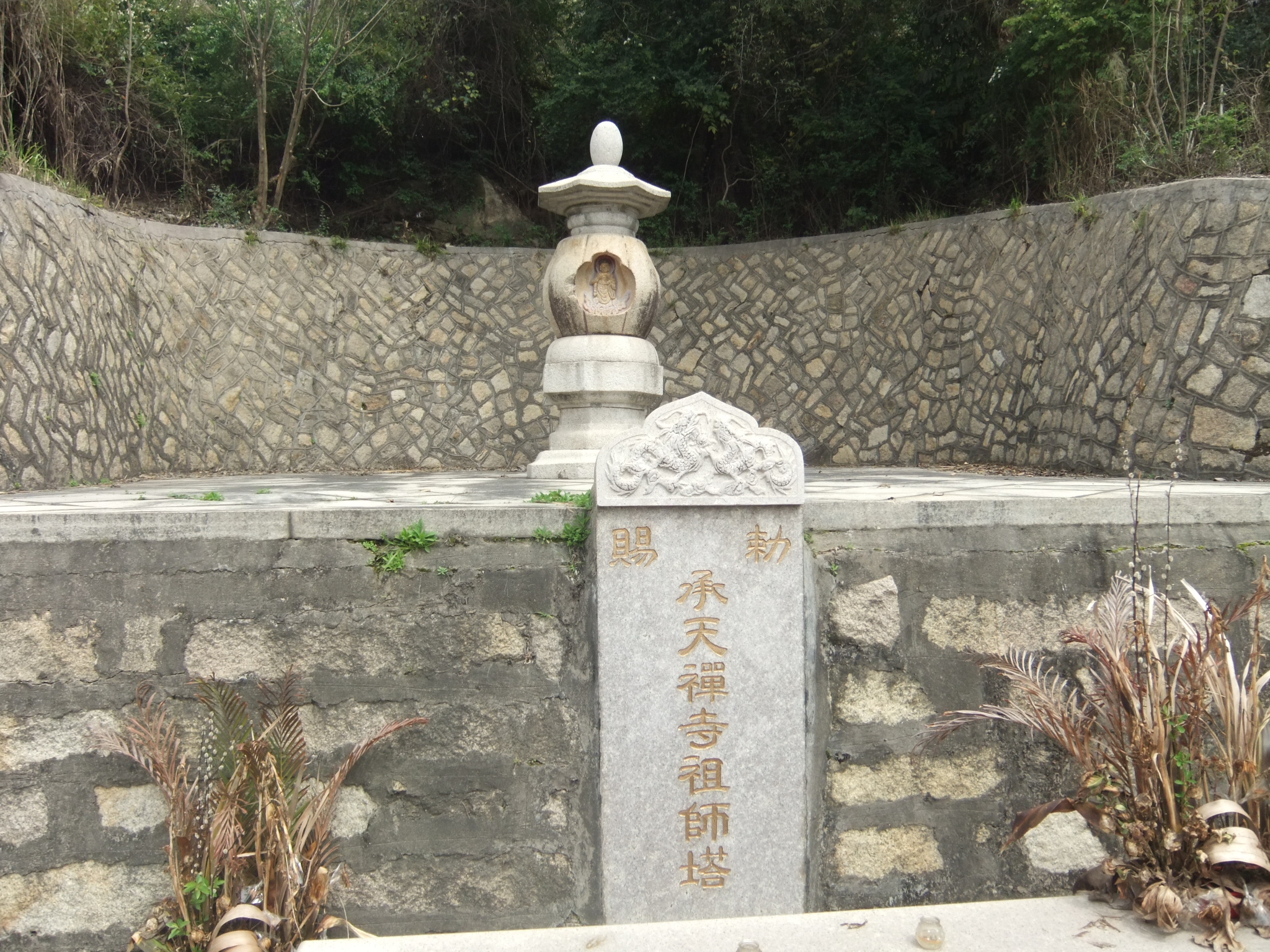
Ancient Islamic cemetery with venerated graves
Yangling Mausoleum of Han
Western Han imperial mausoleum, 2nd century BCE
Ye (Hebei)
Ancient Chinese city, significant historical capital
Lingyin Temple
Chan Buddhist temple in Hangzhou, China