Explore the Map
Lingshan Islamic Cemetery
24.9066° N, 118.6206° E
About
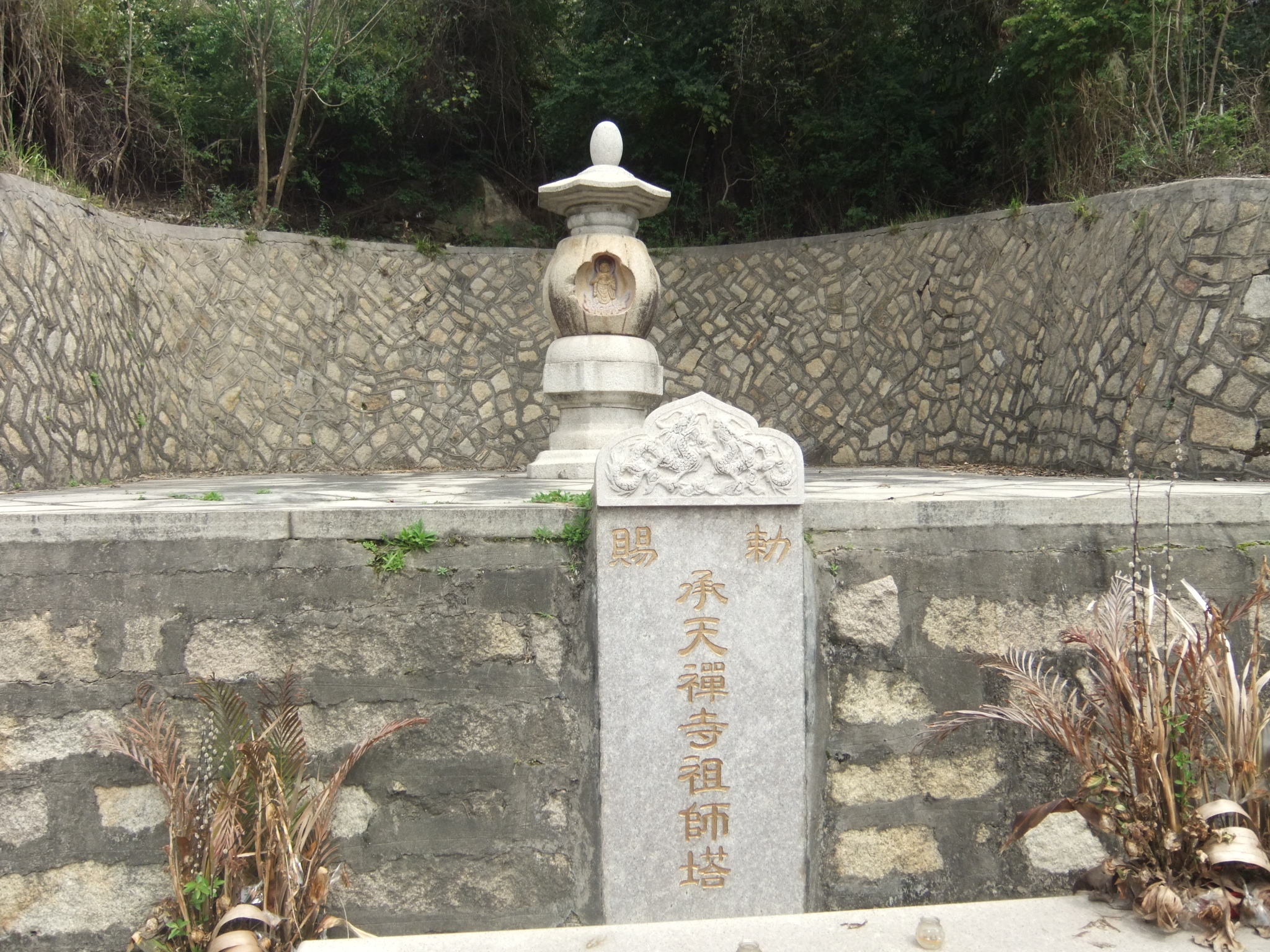
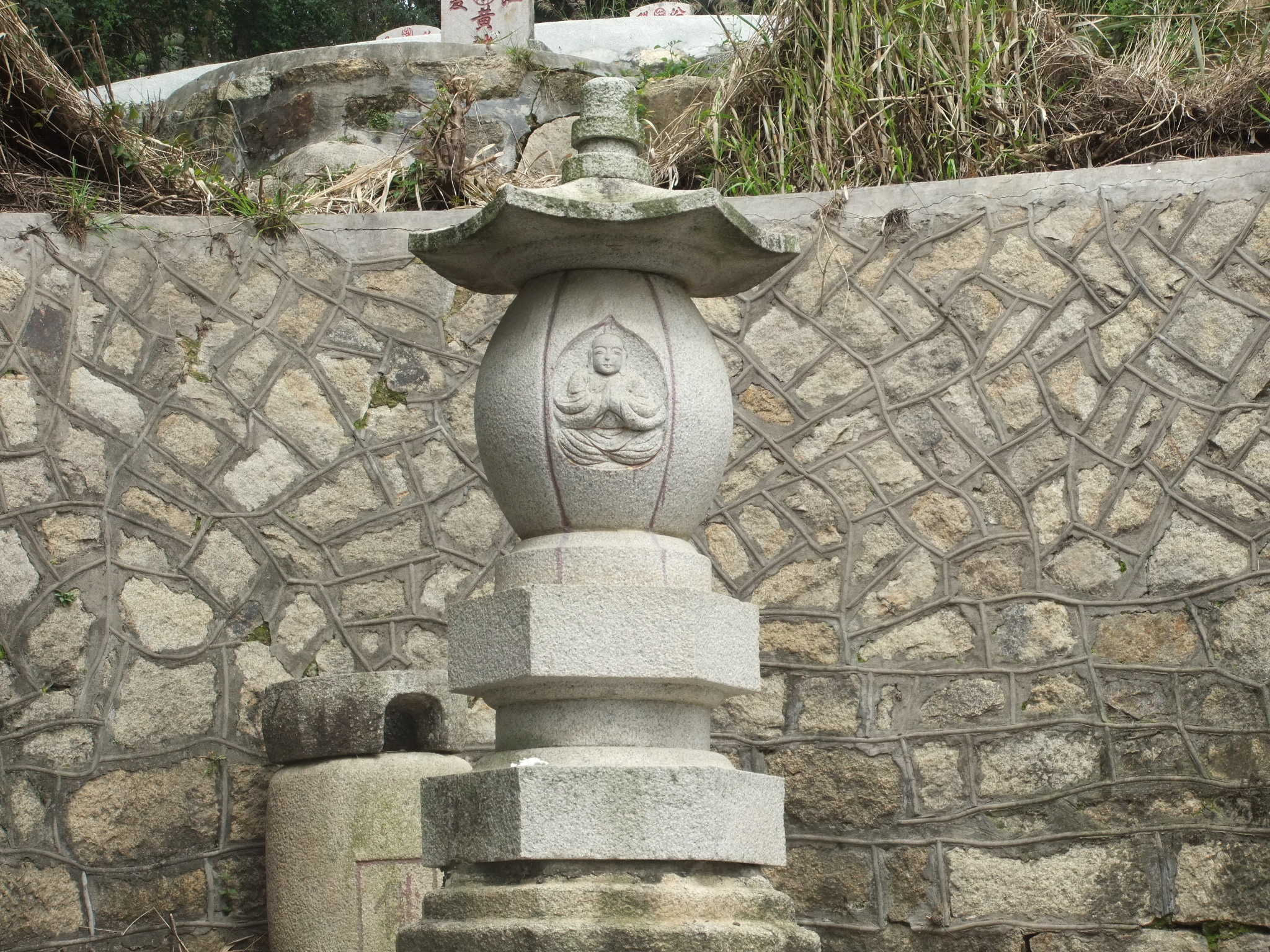
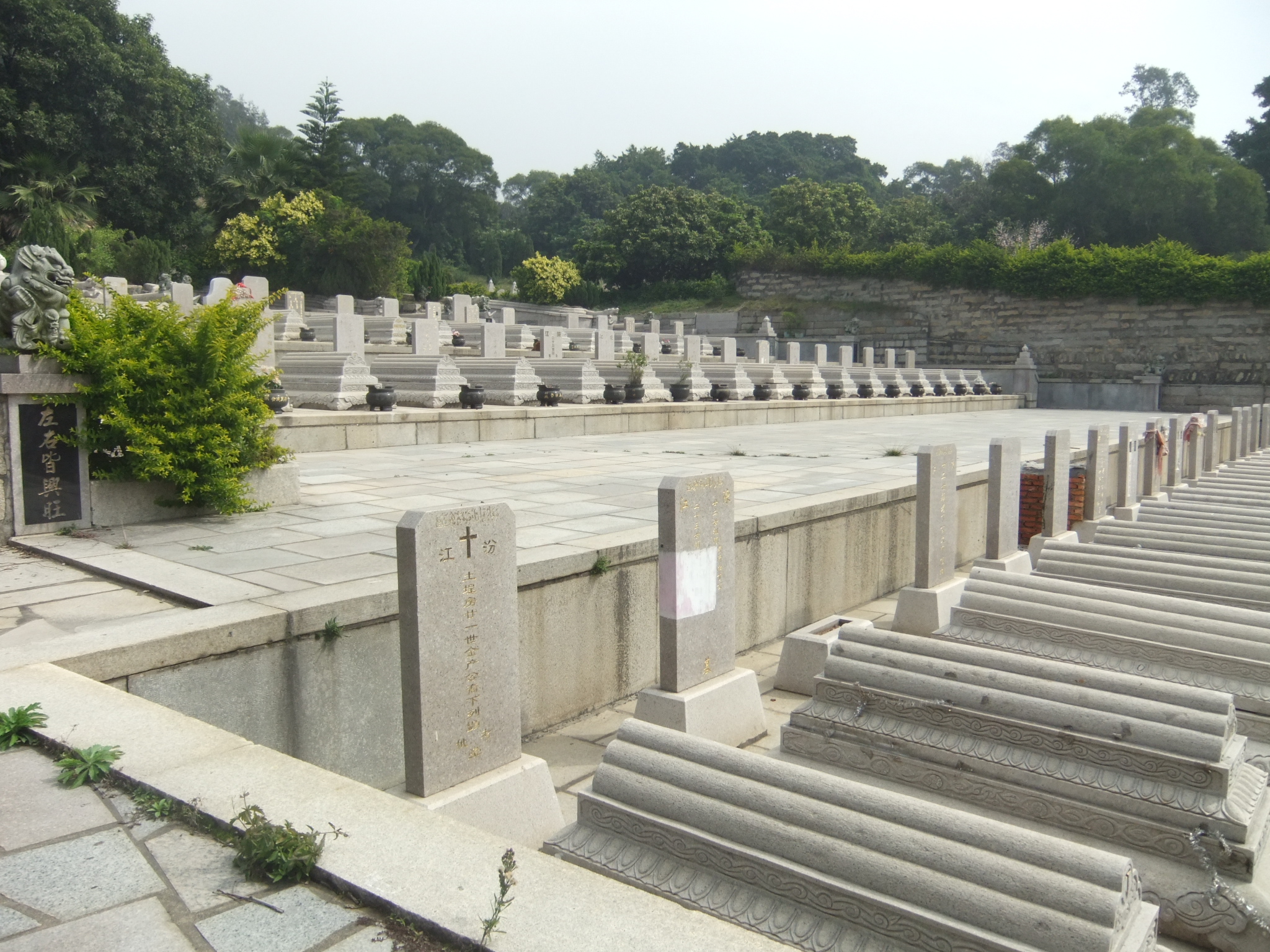
The Lingshan Islamic Cemetery in Quanzhou, Fujian province, China, is a significant archaeological site with historical roots tracing back to the early days of Islam. It features a burial ground known as the Holy Tombs, thought to contain the graves of two Arab Muslim missionaries from the 7th century, although their authenticity is debated. The site gained prominence when visited by the Chinese explorer Zheng He in 1417, who left behind an altar and a stele. The cemetery has undergone several renovations, notably in 1323 and 1962, preserving its historical and religious significance. It was recognized as a cultural heritage monument in 1988, reflecting its importance in the cultural and religious tapestry of China.
Gallery
Explore photographs of ancient structures, artifacts, and archaeological excavations
Historical Timeline
Journey through time and discover key events in this site's history
7th century missionary graves
610s
1323 tomb repairs
1323 CE
1417 Zheng He visit
1417 CE
1962 cemetery renovation
1962 CE
1988 cultural heritage designation
1988 CE
Archaeological Features
Unique architectural and cultural elements found at this historical site
Burial and Funerary Structures
Religious and Ritual Structures
Frequently Asked Questions
Plan Your Visit
Tours, travel arrangements, and practical information

More Sites in China
Lingyin Temple
Chan Buddhist temple in Hangzhou, China
Yunju Temple
Buddhist temple complex with vast stone sutra steles, China
Capital Cities and Tombs of the Ancient Koguryo Kingdom
Goguryeo fortress-cities and tombs, 1st century BCE–7th century CE
Tomb of An Jia
Sogdian funerary monument in Xi'an, Northern Zhou (6th century)
Ye (Hebei)
Ancient Chinese city, significant historical capital
Yangling Mausoleum of Han
Western Han imperial mausoleum, 2nd century BCE