Explore the Map
Western Xia mausoleums
38.4350° N, 105.9872° E
About
The Western Xia mausoleums occupy an area of some 50 km2 (19 sq mi) at the foot of the Helan Mountains in the Ningxia Hui Autonomous Region of northwestern China, and include nine imperial mausoleums and 250 tombs of imperial relatives and officials of China's Western Xia dynasty. This burial complex lies some 40 km (25 mi) westward from capital city of the Western Xia, the Xingqing fu or Xingqing, what is modern-day Yinchuan, capital of the Ningxia Hui Autonomous Region. Some 17,000 m2 (180,000 sq ft) have so far been excavated, and efforts are underway to secure and preserve the remains of this poorly understood era.
Historical Timeline
Journey through time and discover key events in this site's history
Birth of Li Yuanhao (Emperor Jingzong)
1003
Founding of the Western Xia dynasty
1038
Reign of Emperor Jingzong (Li Yuanhao)
1038–1048
Reign of Emperor Yizong
1048–1068
Reign of Emperor Huizong
1068–1086
Reign of Emperor Chongzong
1086–1139
Reign of Emperor Renzong
1139–1193
Reign of Emperor Huanzong
1193–1206
Reign of Emperor Xiangzong
1206–1211
Reign of Emperor Shenzong
1211–1223
Reign of Emperor Xianzong
1223–1226
Final emperor Modi (Emperor Mo)
1226–1227
Mongol conquest and fall of Western Xia
1227
Modern reporting from aerial photography
1938
Industrial development over part of the site
1970s
Archaeological Features
Unique architectural and cultural elements found at this historical site
Defensive Structures
Burial and Funerary Structures
Religious and Ritual Structures
Artistic and Decorative Features
Environmental and Natural Features
Frequently Asked Questions
Plan Your Visit
Tours, travel arrangements, and practical information
More Sites in China
Yunju Temple
Buddhist temple complex with vast stone sutra steles, China
Ye (Hebei)
Ancient Chinese city, significant historical capital
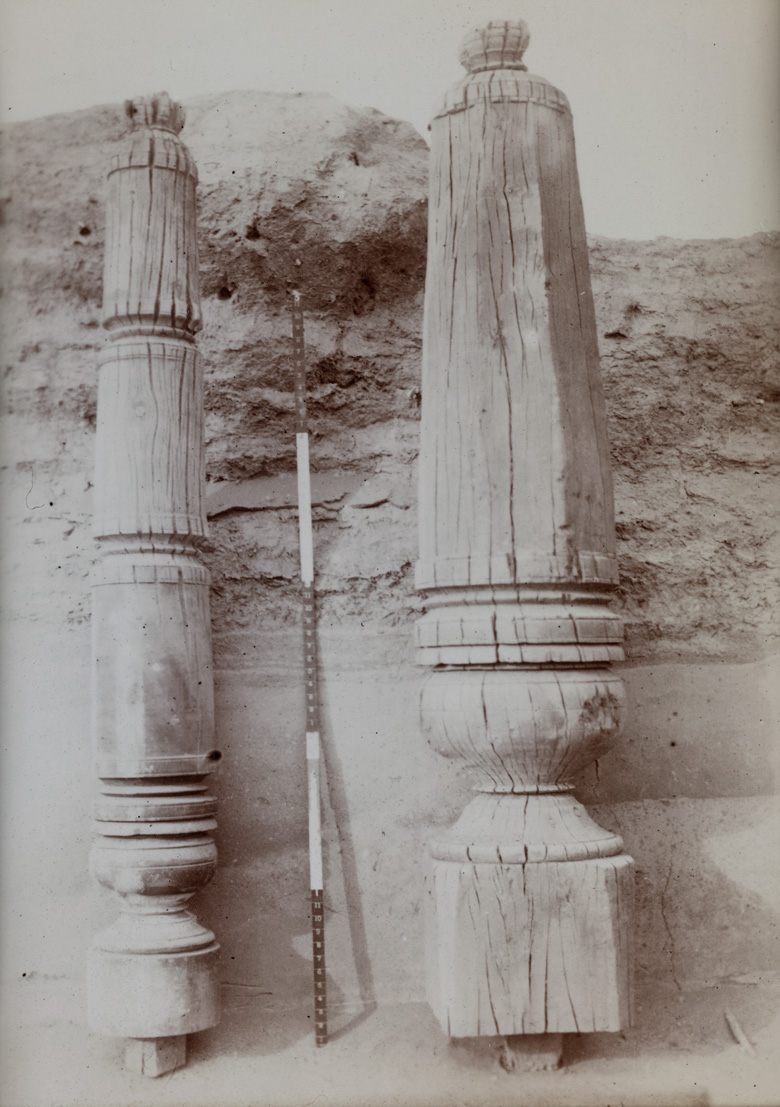
Endere
Ancient military post and Buddhist center
Yangling Mausoleum of Han
Western Han imperial mausoleum, 2nd century BCE
Laosicheng
Largest, best-preserved ancient Tusi city
Lingyin Temple
Chan Buddhist temple in Hangzhou, China