
Capital Cities and Tombs of the Ancient Koguryo Kingdom
Goguryeo fortress-cities and tombs, 1st century BCE–7th century CE
Explore the Map
Capital Cities and Tombs of the Ancient Koguryo Kingdom
41.1569° N, 126.1872° E
About
The Capital Cities and Tombs of the Ancient Koguryo Kingdom is an UNESCO World Heritage Site which includes a number of archaeological sites currently in Ji'an, Jilin Province and Huanren, Liaoning Province in Northeast China. Goguryeo (or Koguryo, "Gaogouli" in Chinese), (37 BCE – 668 CE) was a Korean Kingdom located in the northern and central parts of the Korean Peninsula and the southern and central parts of Manchuria. The archaeological sites were collectively designated a cultural World Heritage Site in 2004, qualifying as such under the first five of the six criteria for cultural heritage sites. The designation includes the archaeological remains of three fortress-cities: Wunü Mountain City, Gungnae and Hwando, and forty identified tombs of Goguryeo imperial and noble families. In 2010, the Chinese government established the Ji'an Gaogouli National Archaeological Park (Chinese: 集安高句丽考古遗址公园), which includes all of the Goguryeo World Heritage Sites in Ji'an and Jilin, but not the ones in Liaoning (such as Wunü Mountain City). North Korea initially attempted to register the world heritage of the sites from around 2000. Although it was scheduled to be registered in 2003, China opposed the sole registration of North Korea and applied for registration of the Goguryeo ruins scattered in Jilin Province. For this reason, the remains of North Korea and the People's Republic of China were registered in the form of simultaneous registration in 2004. It is recognized that there is an existence of a question on the history of Goguryeo between North Korea and China.
Historical Timeline
Journey through time and discover key events in this site's history
Goguryeo established
37 BCE
Goguryeo fall
668 CE
Registration dispute and simultaneous nomination
2000–2004
UNESCO World Heritage inscription
2004
Ji'an Gaogouli National Archaeological Park established
2010
Archaeological Features
Unique architectural and cultural elements found at this historical site
Defensive Structures
Public and Civic Structures
Burial and Funerary Structures
Artistic and Decorative Features
Domestic and Habitation Structures
Environmental and Natural Features
Frequently Asked Questions
Plan Your Visit
Tours, travel arrangements, and practical information


More Sites in China
Lingyin Temple
Chan Buddhist temple in Hangzhou, China
Ye (Hebei)
Ancient Chinese city, significant historical capital
Tomb of An Jia
Sogdian funerary monument in Xi'an, Northern Zhou (6th century)
Yangling Mausoleum of Han
Western Han imperial mausoleum, 2nd century BCE
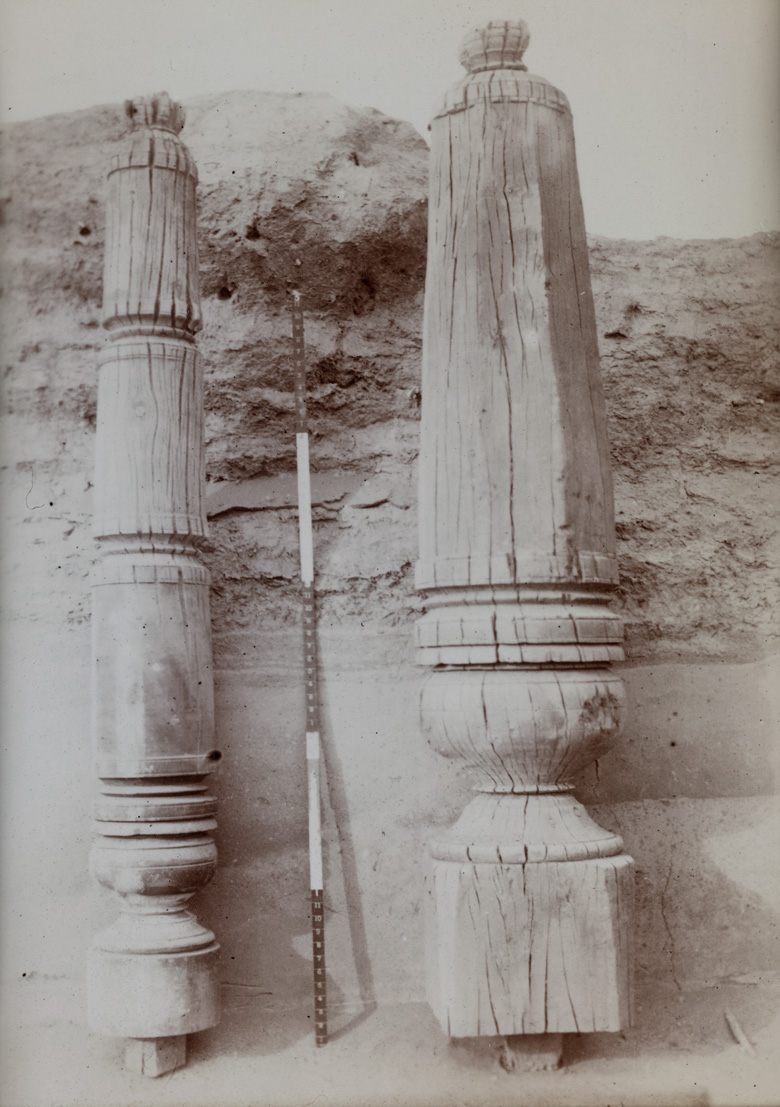
Endere
Ancient military post and Buddhist center
Yunju Temple
Buddhist temple complex with vast stone sutra steles, China