Time Periods
Paleolithic
Mesolithic
Neolithic
Chalcolithic
Bronze Age
Iron Age
Classical Period
Post-Classical Period
Early Modern Period
Industrial Period
Contemporary Period
Time Periods
Paleolithic
Mesolithic
Neolithic
Chalcolithic
Bronze Age
Iron Age
Classical Period
Post-Classical Period
Early Modern Period
Industrial Period
Contemporary Period
Location
About
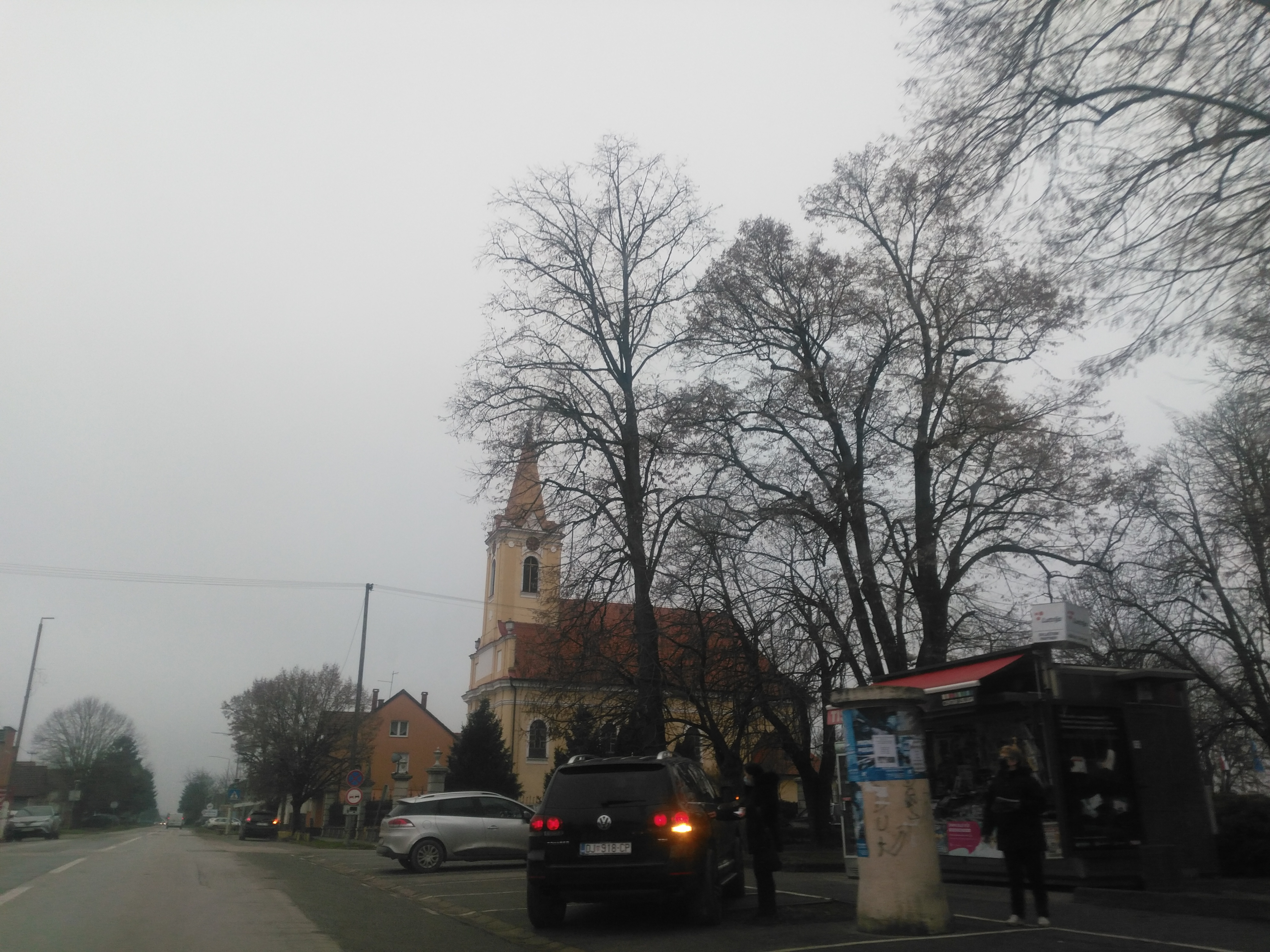
Stari Mikanovci, located in Croatia's Slavonia region, is an archaeological site of significant historical interest. This site was part of the Scordisci settlement network during the late La Tène culture, dating back to the 1st century BCE. The village's history reflects a series of ownership changes, starting as a fief of the Order of St. John in the 13th to 15th centuries, then passing through the hands of noble families during the Ottoman wars, and eventually being owned by the Diocese of Đakovo. The site includes notable religious structures, such as the Church of St. Bartholomew from the early 13th century and the Church of St. Claire from 1810. These elements provide insight into the cultural and historical transformations in this region over the centuries.
Gallery
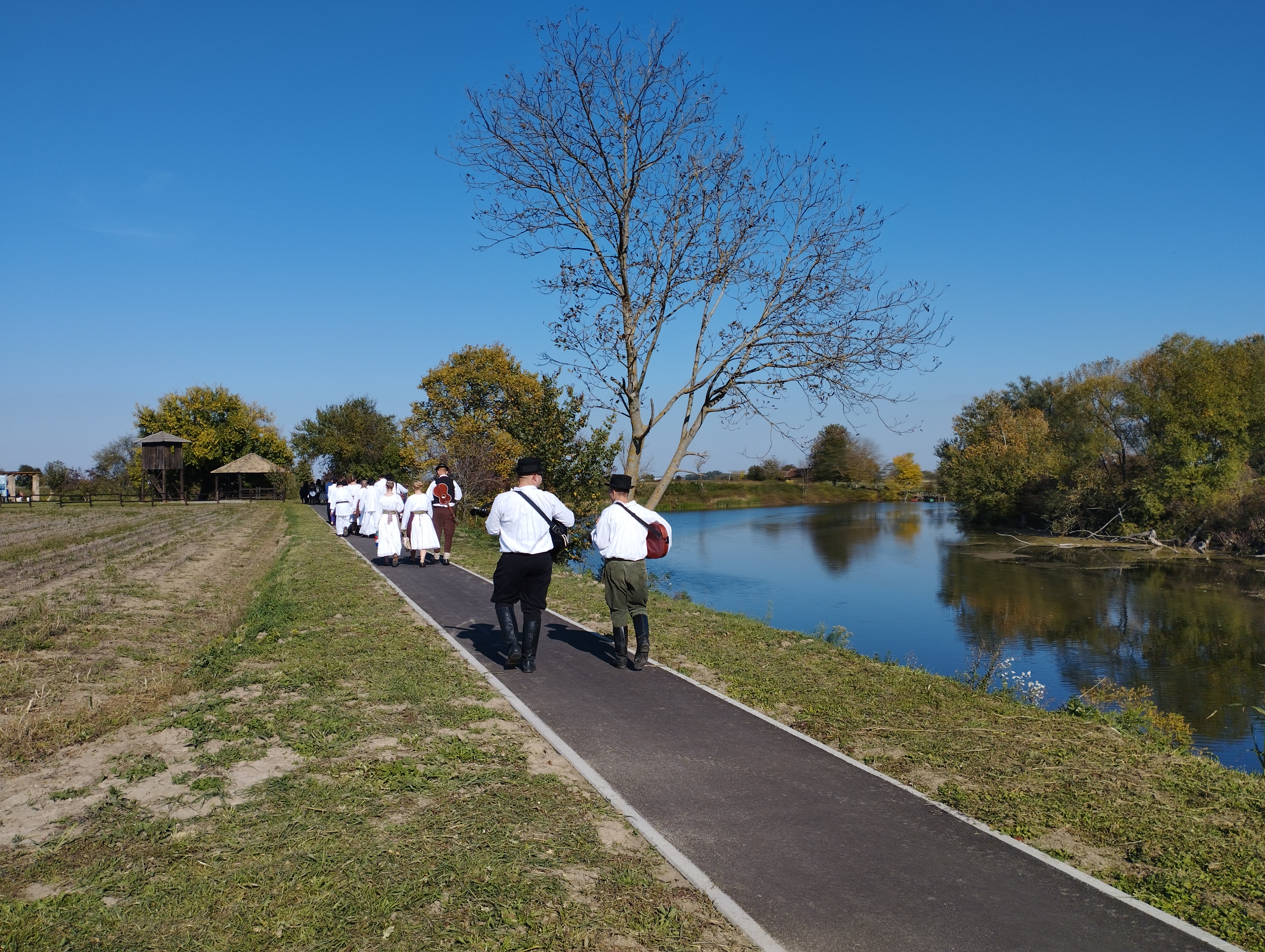
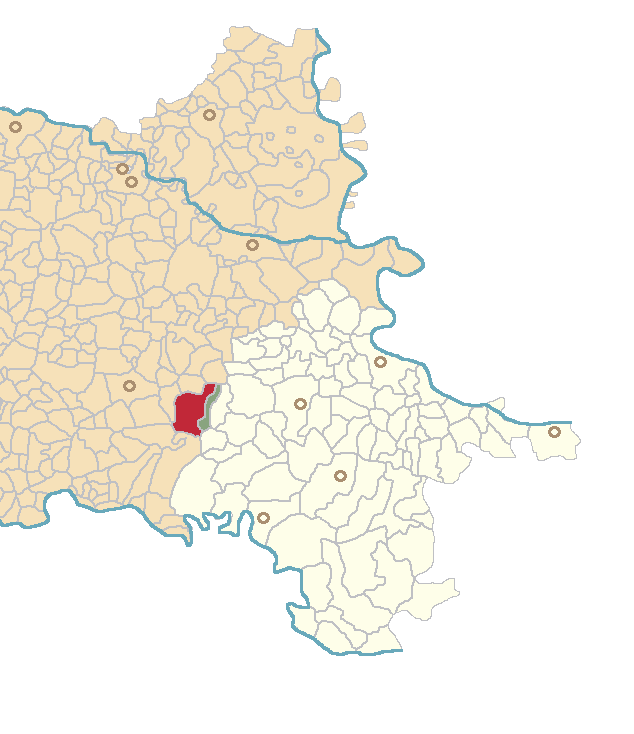
Explore photographs of ancient structures, artifacts, and archaeological excavations at Stari Mikanovci
Archaeological Features
Explore the unique architectural and cultural elements found at this historical site
Burial and Funerary Structures
Religious and Ritual Structures
Domestic and Habitation Structures
Historical Timeline
Journey through time and discover key events in this site's archaeological history
Plan Your Visit
Details
- Country
- Croatia
- Source
- Wikipedia
More Sites in Croatia
Smrdelje
Prehistoric tumuli and early Croatian graves
Sveta Jelena, Međimurje
Medieval monastery site with mausoleum.
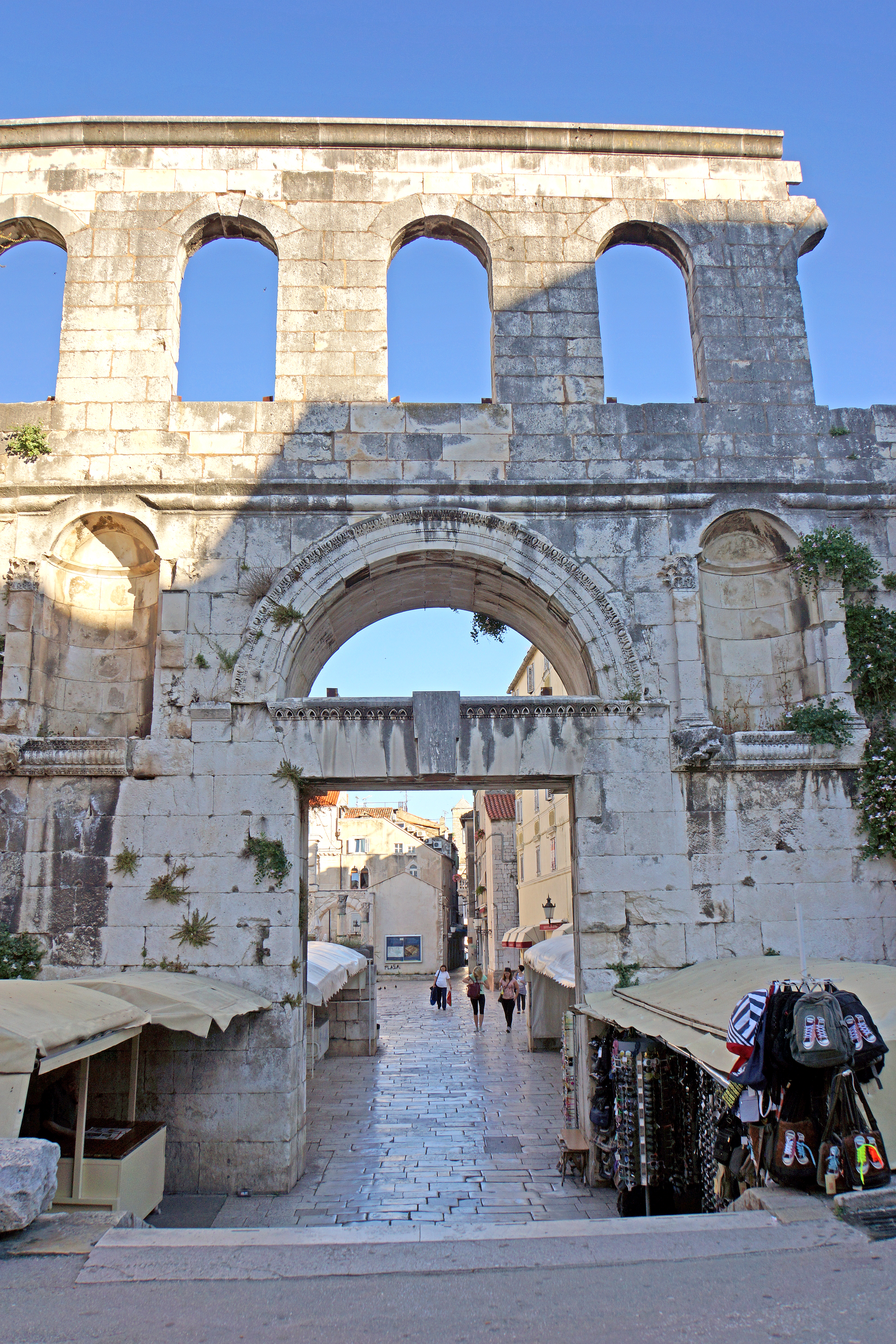
Silver Gate (Diocletian's Palace)
Roman gate with defensive and religious structures.
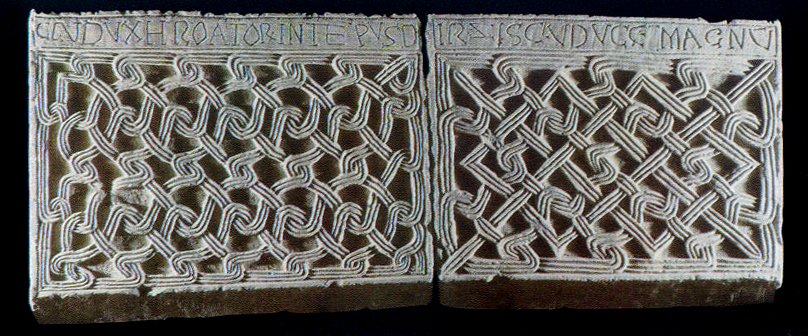
Cathedral of Saint Bartholomew in Kapitul
Medieval cathedral with Benedictine origins
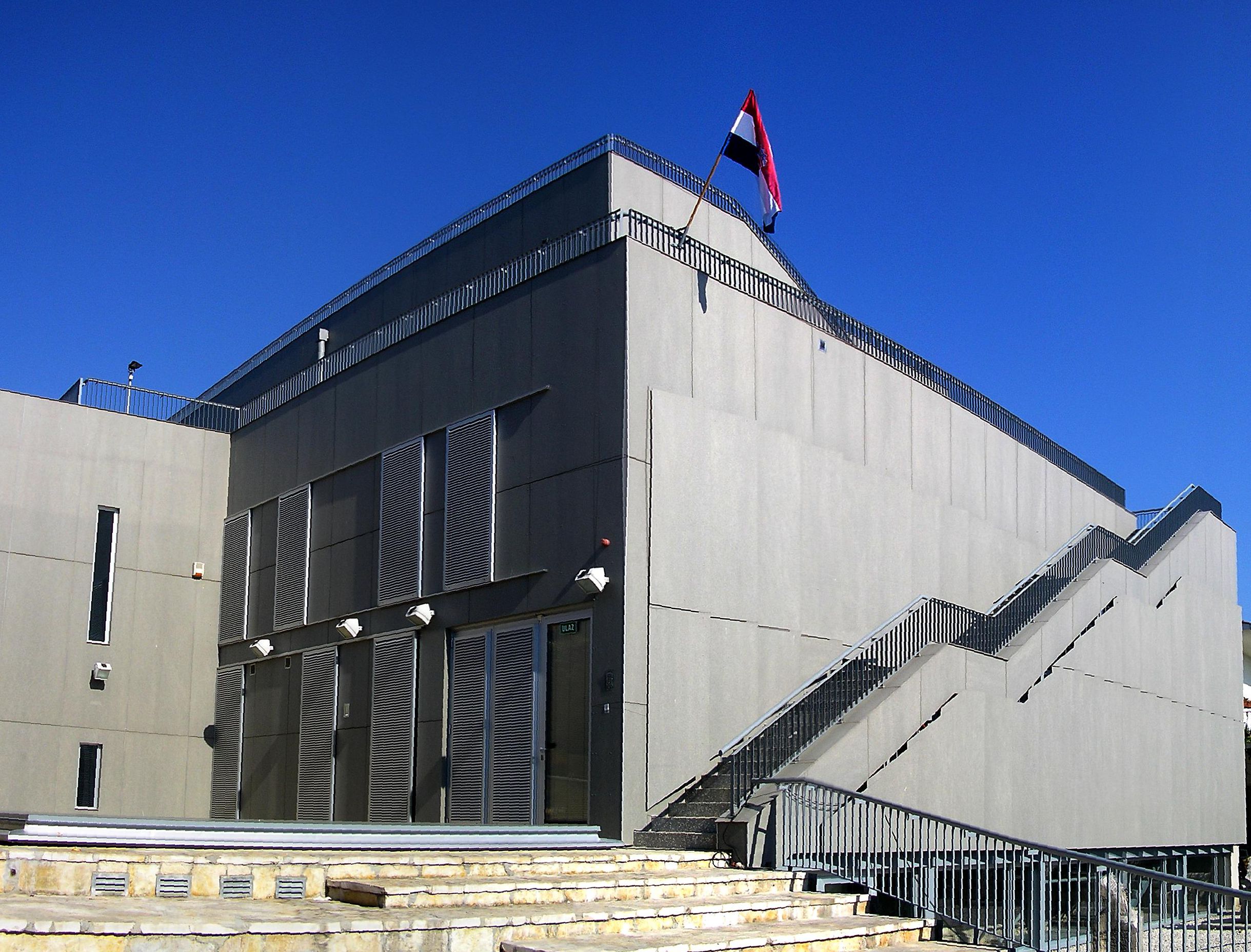
Narona
Ancient Greek and Roman trading post
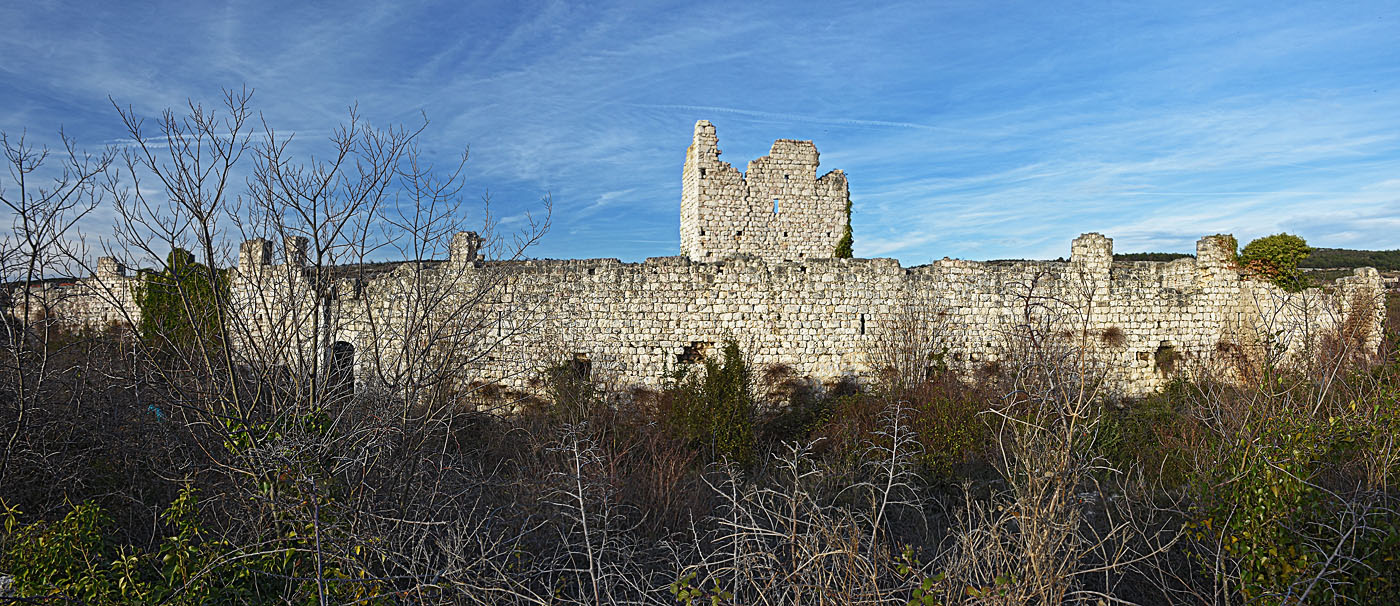
Vrana, Zadar County
Historic settlement with medieval religious influence.