Time Periods
Paleolithic
Mesolithic
Neolithic
Chalcolithic
Bronze Age
Iron Age
Classical Period
Post-Classical Period
Early Modern Period
Industrial Period
Contemporary Period
Time Periods
Paleolithic
Mesolithic
Neolithic
Chalcolithic
Bronze Age
Iron Age
Classical Period
Post-Classical Period
Early Modern Period
Industrial Period
Contemporary Period
Location
About
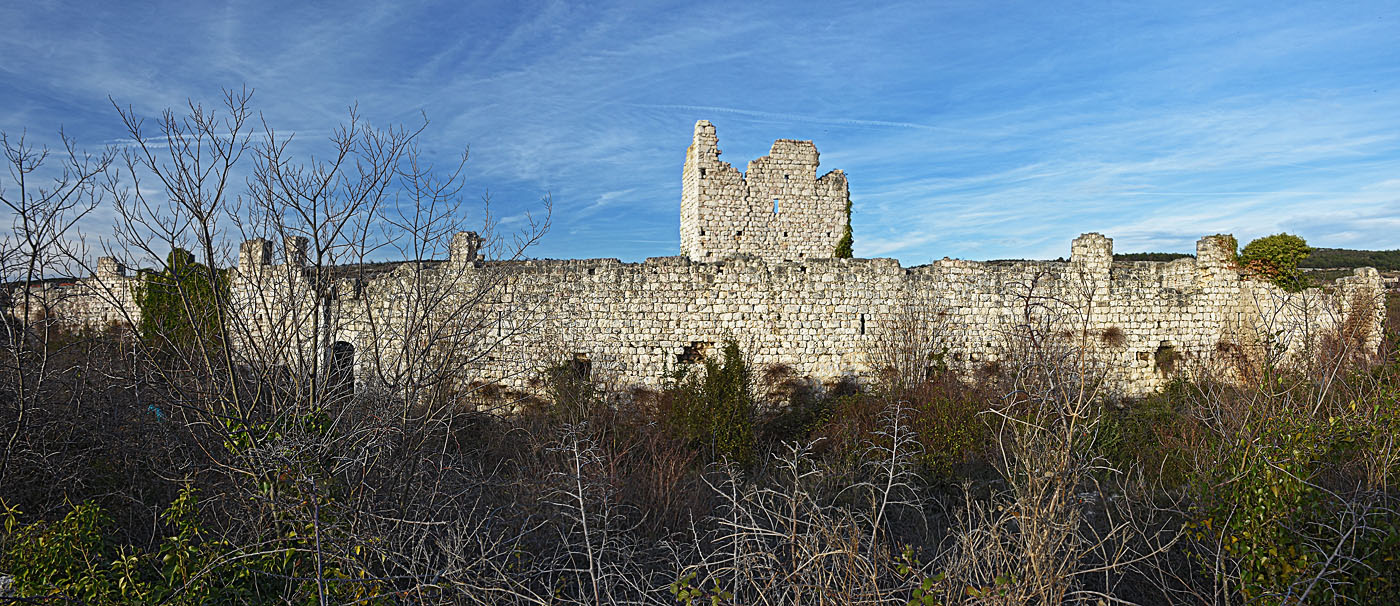
Vrana is a historic settlement in Zadar County, Croatia, known for its significant medieval history marked by religious and political influences. The site was closely linked with the Benedictines, Knights Templar, and Knights Hospitaller, reflecting its role as a critical center of political and religious life during the late Post-Classical Period. King Zvonimir's donation of Vrana to the Pope in 1076 marked the beginning of its prominence. Over the centuries, the site featured prominent defensive structures, including walls, towers, and moats, which were further reinforced by the Templars and Hospitallers. Vrana's strategic and religious significance continued until it was conquered by the Ottomans in 1527, before briefly falling under Venetian control in the 17th century. The settlement holds legends of buried treasure, adding to its historical allure.
Gallery
Explore photographs of ancient structures, artifacts, and archaeological excavations at Vrana, Zadar County
Archaeological Features
Explore the unique architectural and cultural elements found at this historical site
Defensive Structures
Miscellaneous Features
Religious and Ritual Structures
Historical Timeline
Journey through time and discover key events in this site's archaeological history
Plan Your Visit
Details
- Country
- Croatia
- Source
- Wikipedia
More Sites in Croatia
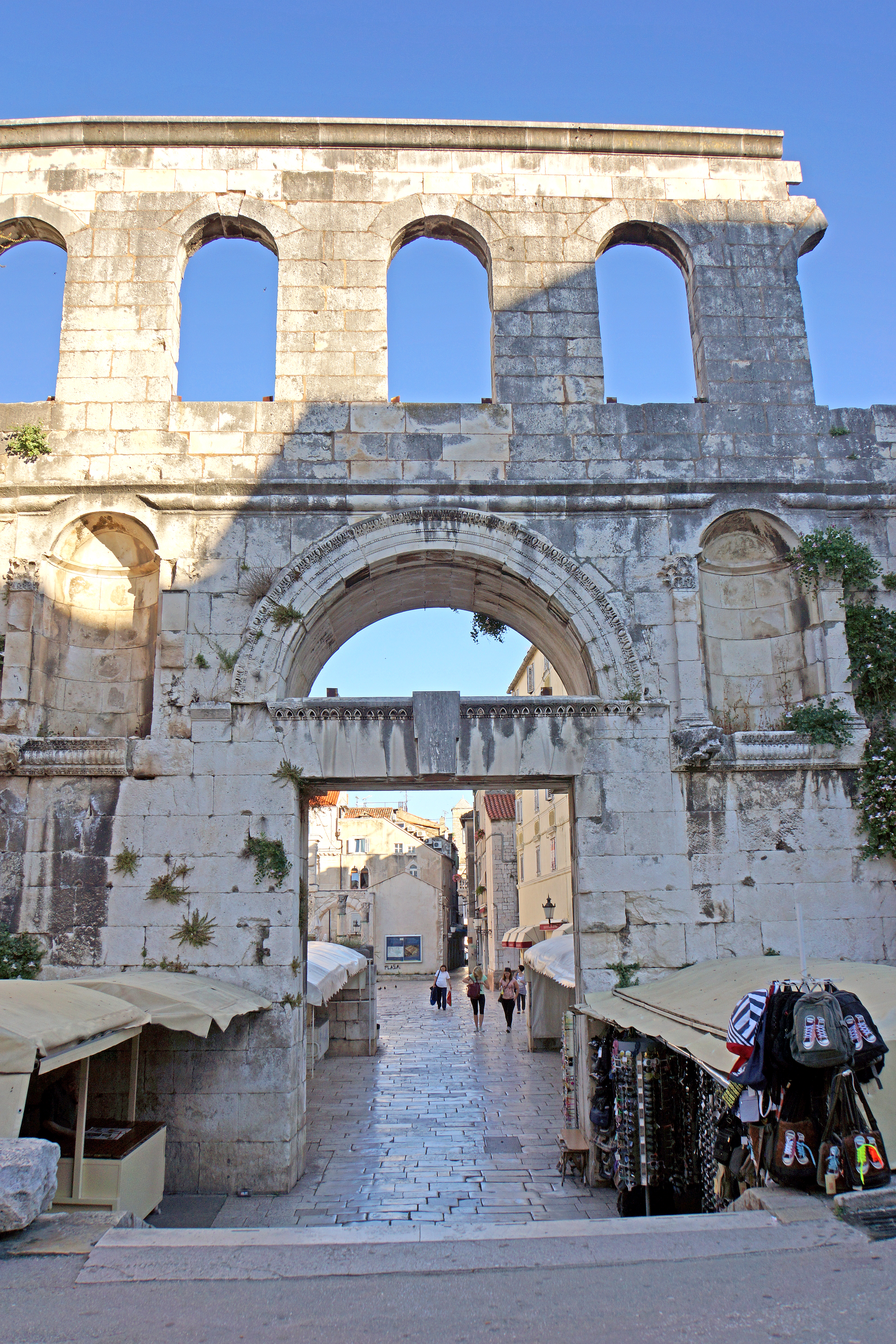
Silver Gate (Diocletian's Palace)
Roman gate with defensive and religious structures.
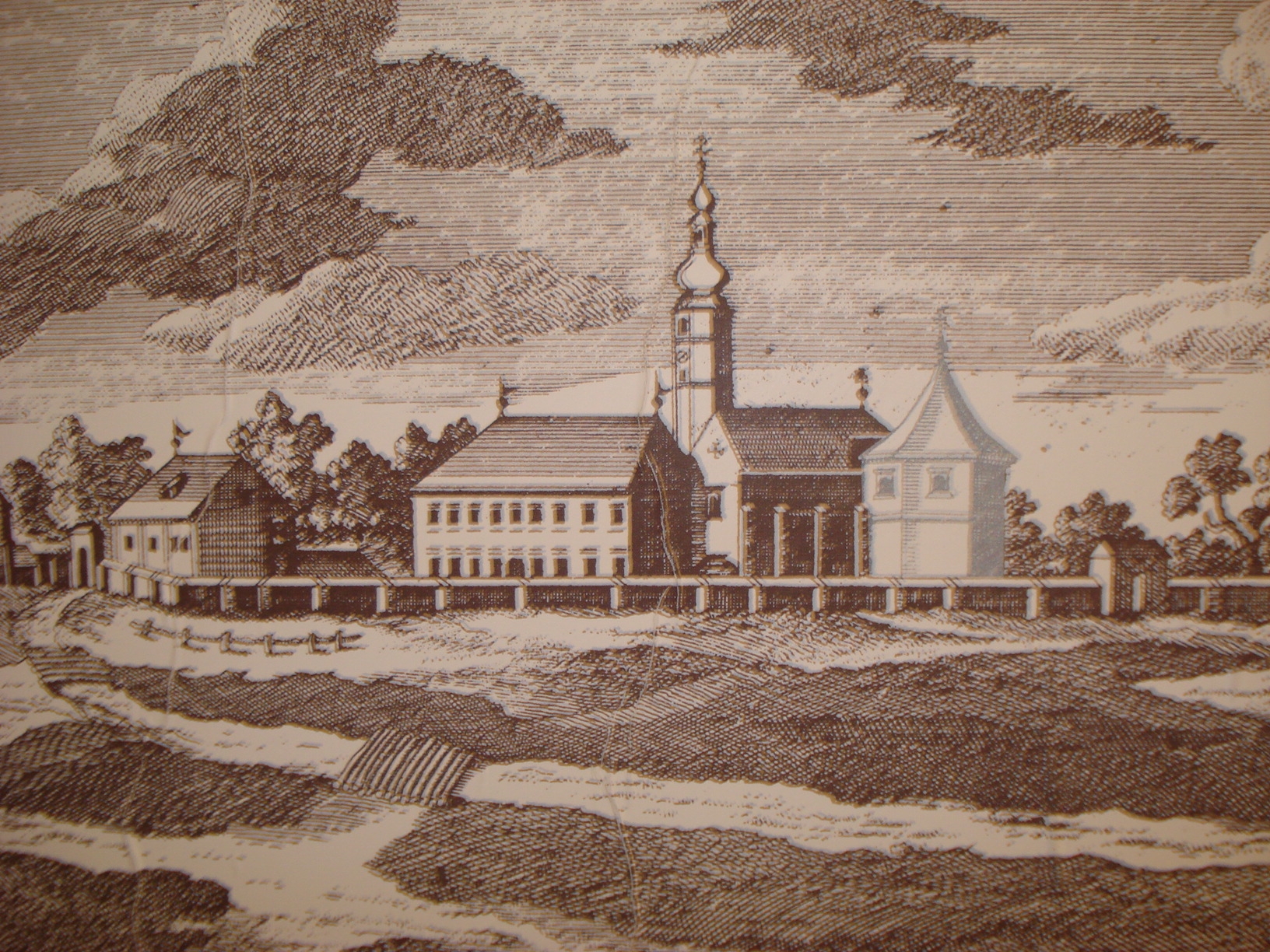
Sveta Jelena, Međimurje
Medieval monastery site with mausoleum.
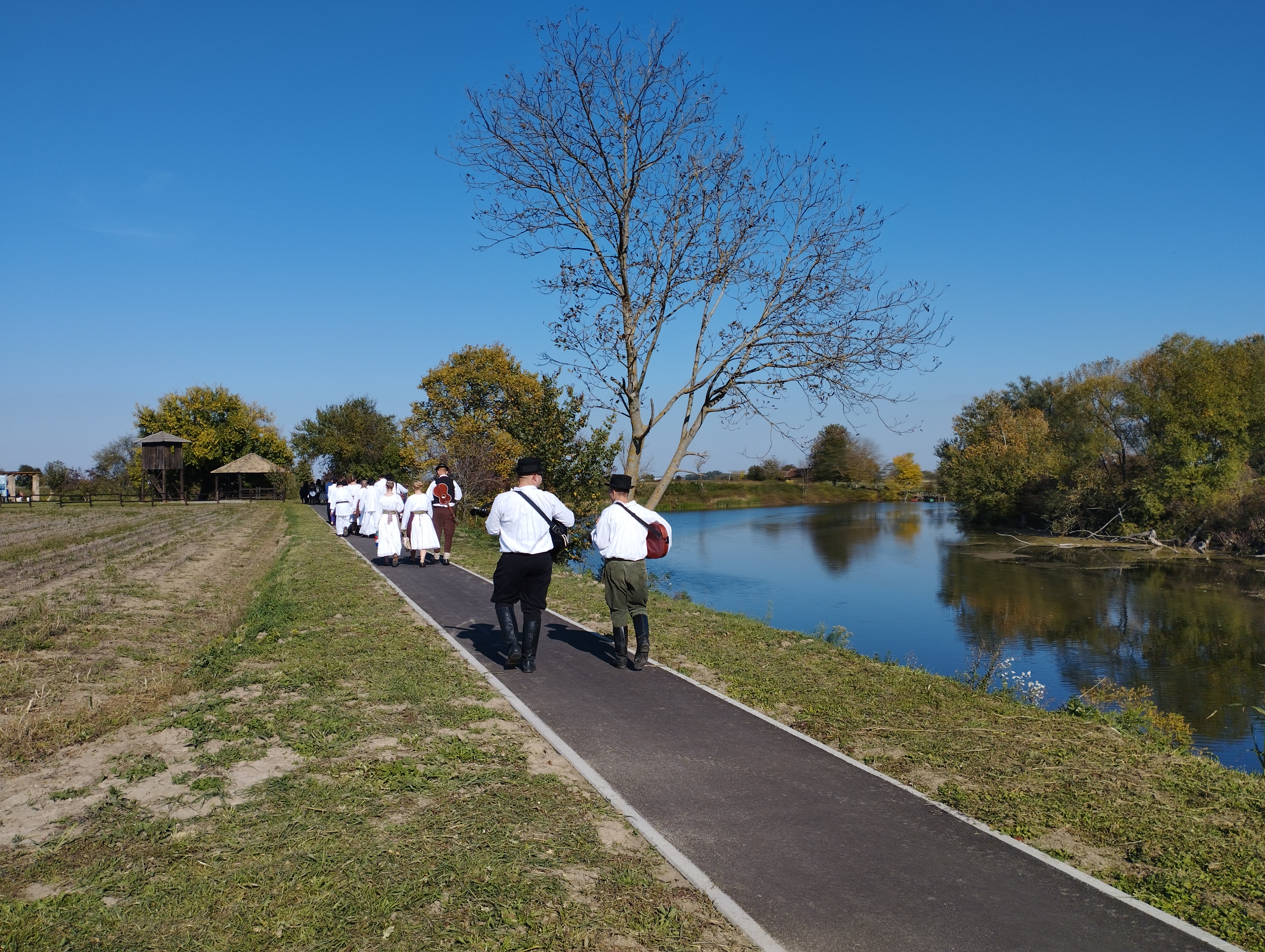
Stari Mikanovci
Scordisci site with late La Tène artifacts
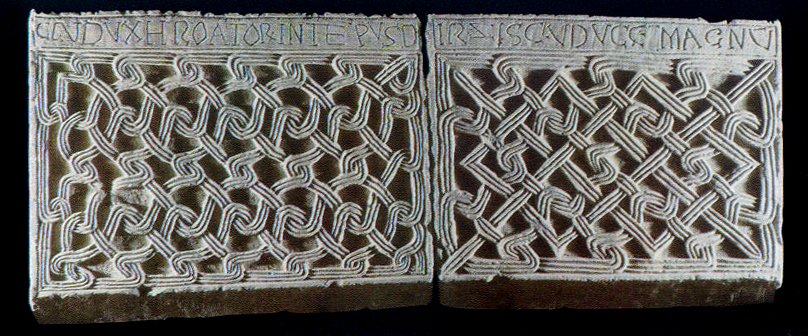
Cathedral of Saint Bartholomew in Kapitul
Medieval cathedral with Benedictine origins
Smrdelje
Prehistoric tumuli and early Croatian graves
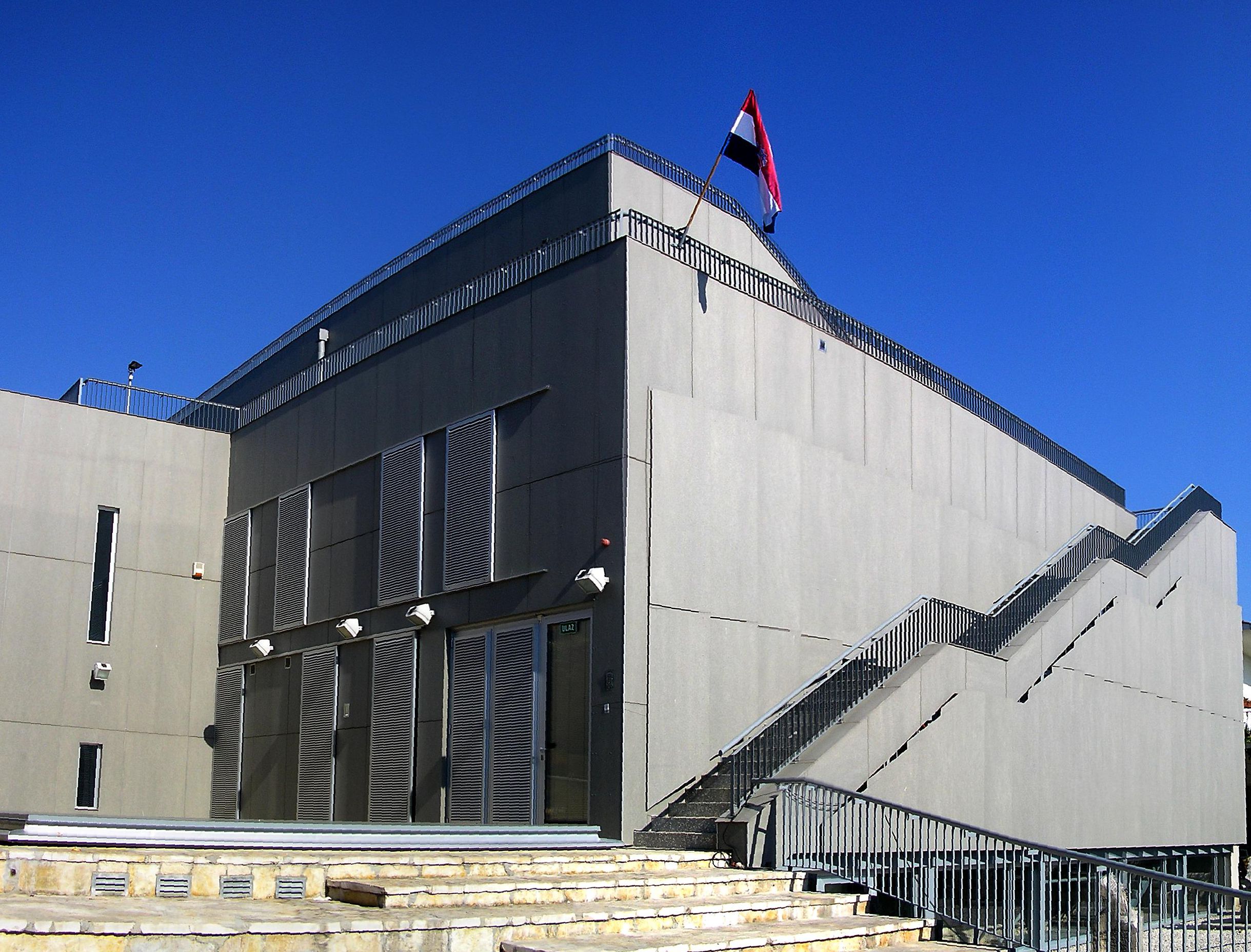
Narona
Ancient Greek and Roman trading post