Time Periods
Paleolithic
Mesolithic
Neolithic
Chalcolithic
Bronze Age
Iron Age
Classical Period
Post-Classical Period
Early Modern Period
Industrial Period
Contemporary Period
Time Periods
Paleolithic
Mesolithic
Neolithic
Chalcolithic
Bronze Age
Iron Age
Classical Period
Post-Classical Period
Early Modern Period
Industrial Period
Contemporary Period
Location
About
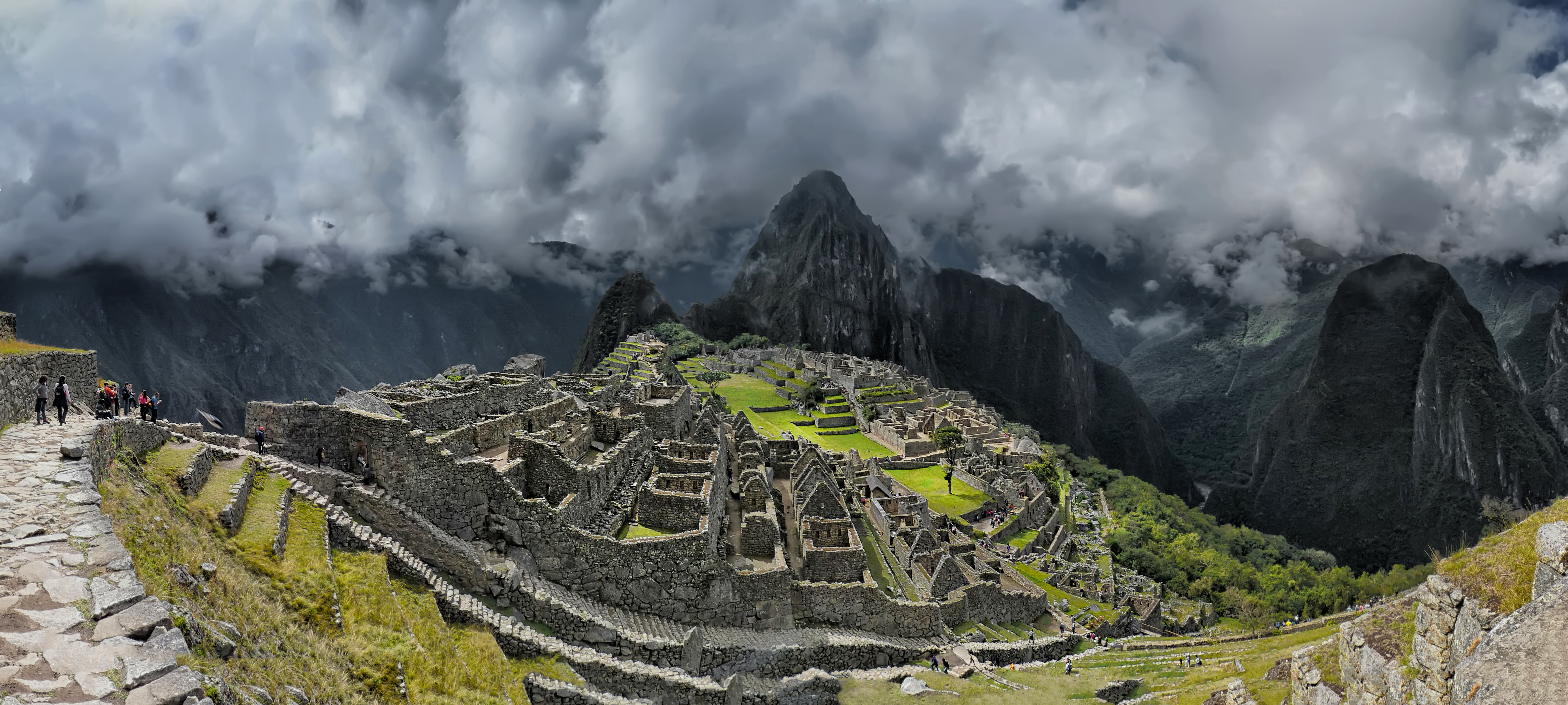
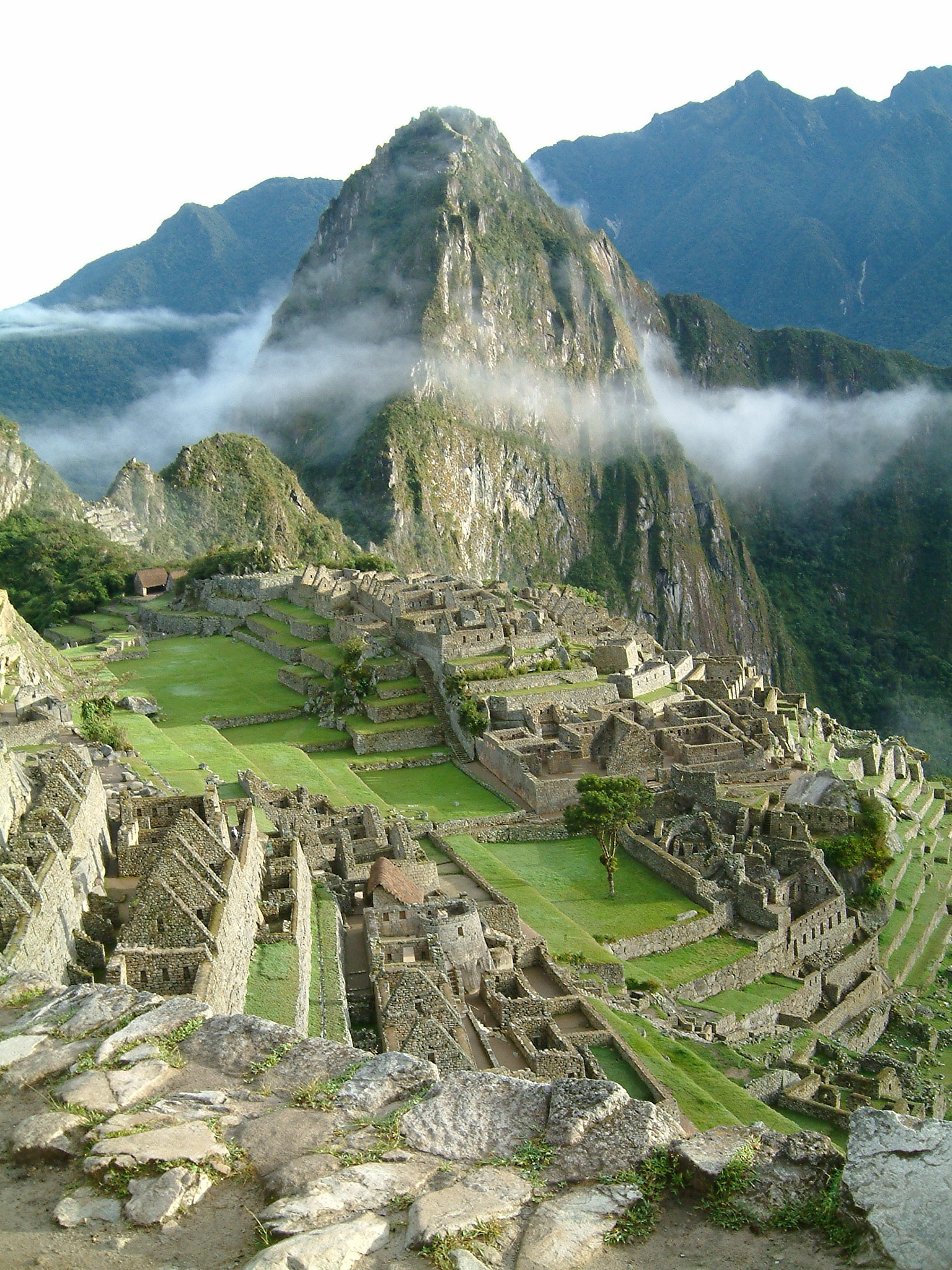
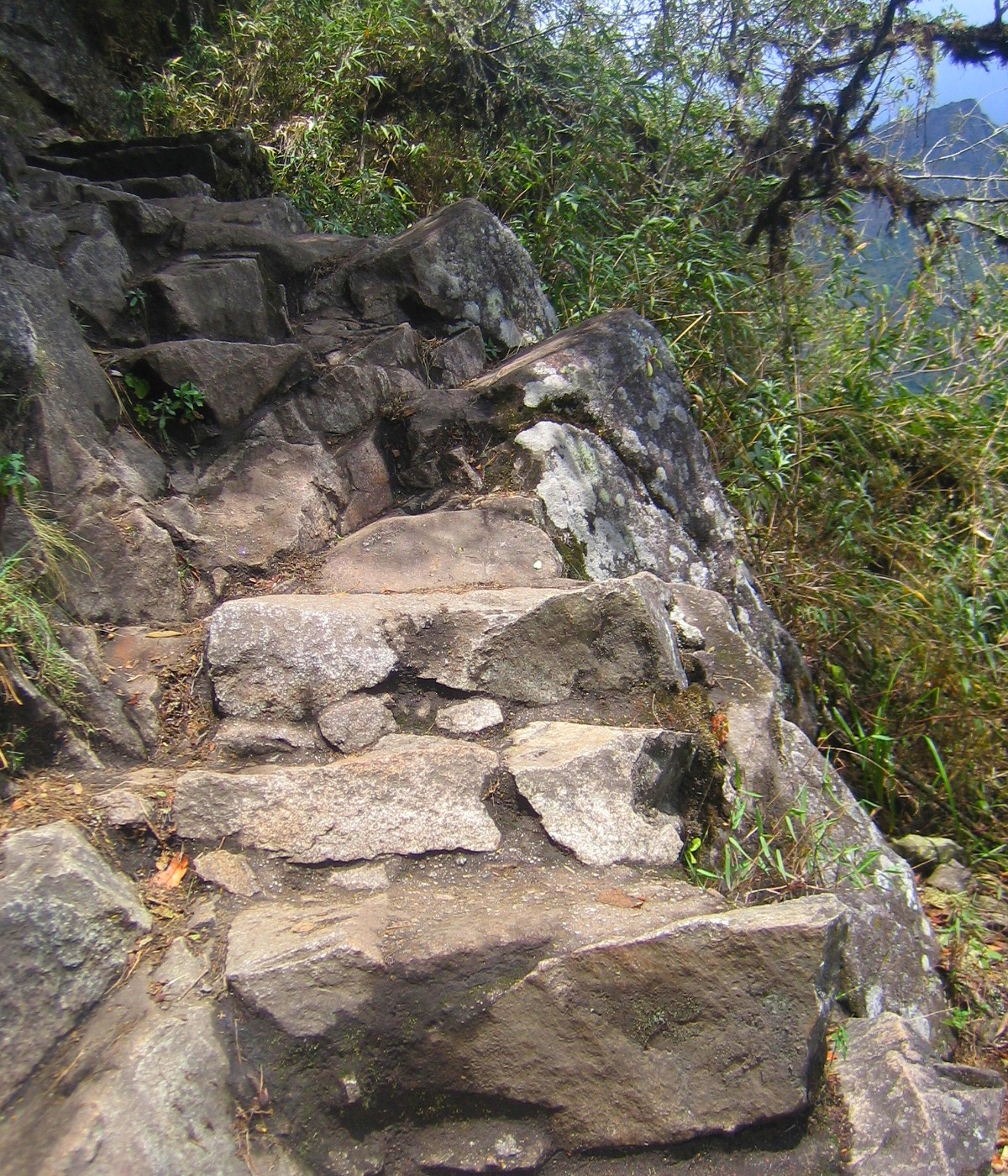
Huayna Picchu is a prominent mountain in Peru, rising over the famous archaeological site of Machu Picchu. It features a steep and challenging trail constructed by the Incas, leading to the summit where temples and terraces were built. The mountain was historically significant as the residence for the high priest and local virgins, with a daily ritual to greet the new day. Significant structures include the Temple of the Moon and the Great Cavern, both showcasing fine masonry and believed to have elite or funerary uses. The site highlights the Incas' architectural prowess and their integration of natural landscapes with constructed features. It remains an important destination for both its historical significance and its breathtaking views.
Gallery
Explore photographs of ancient structures, artifacts, and archaeological excavations at Huayna Picchu
Archaeological Features
Explore the unique architectural and cultural elements found at this historical site
Burial and Funerary Structures
Religious and Ritual Structures
Agricultural and Land Use Features
Historical Timeline
Journey through time and discover key events in this site's archaeological history
Plan Your Visit
Details
- Country
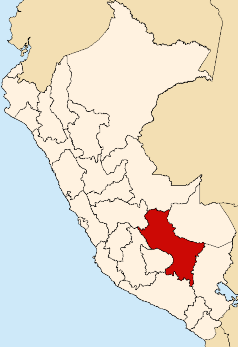
- Cusco Region
- Source
- Wikipedia
More Sites in Cusco Region
Muyu Urqu
Prominent hill with archaeological remains
Wiraqucha (Cusco)
Mountain with rock formations resembling toads.
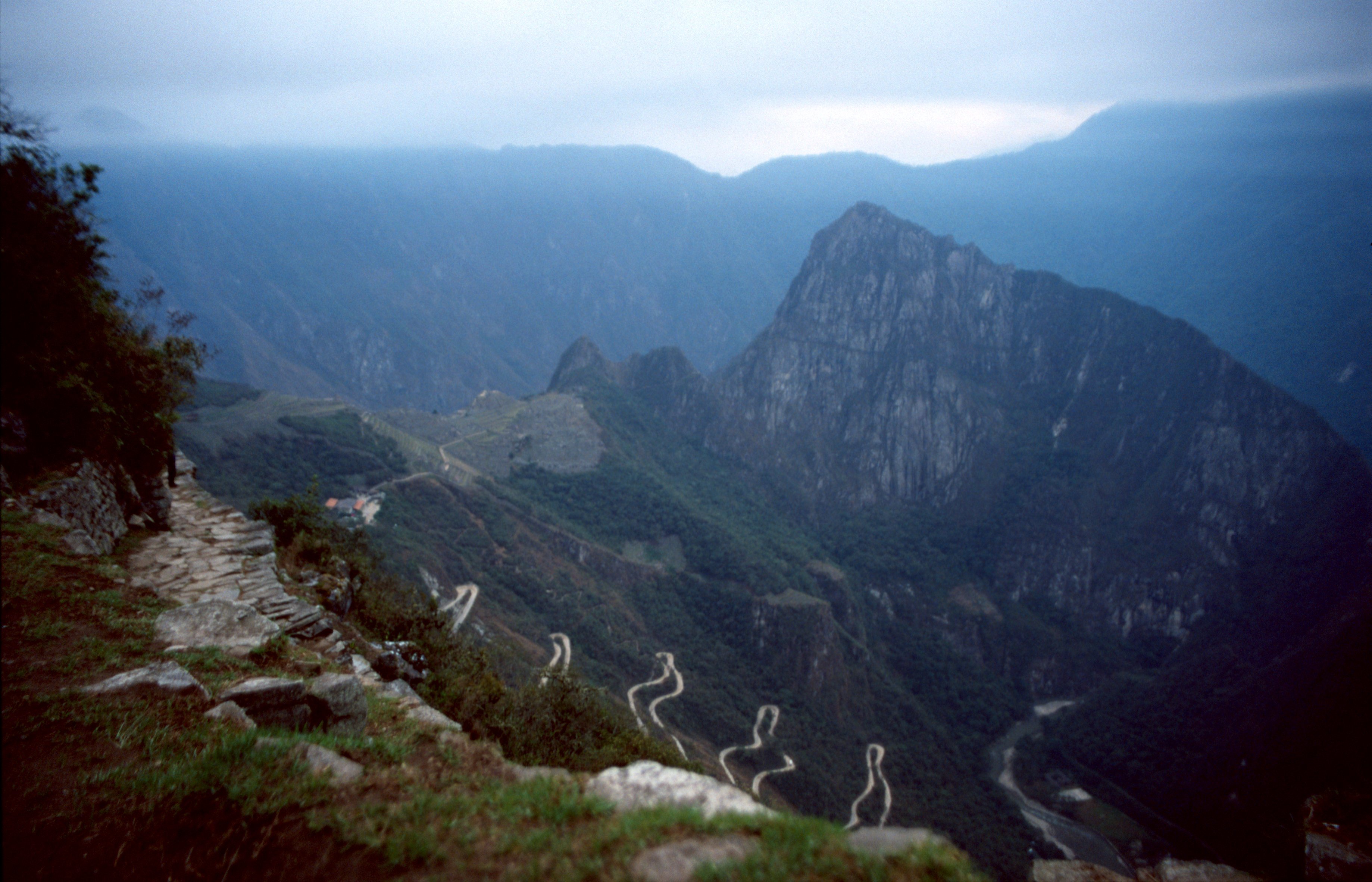
Inti Punku
Ancient stone gateway overlooking Machu Picchu
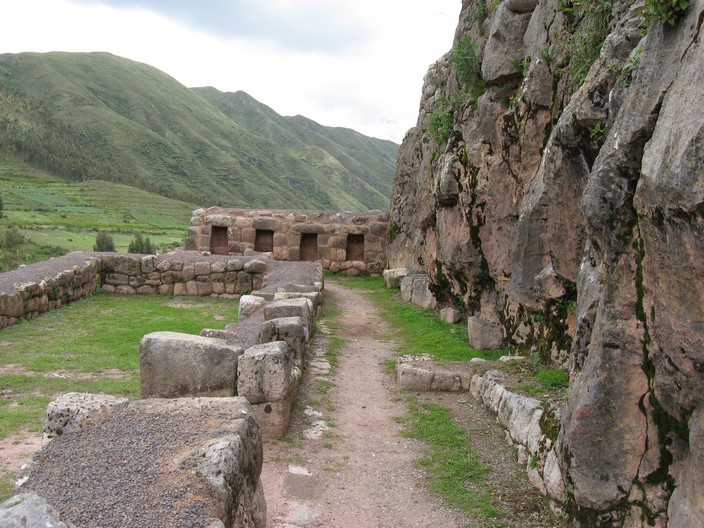
Puka Pukara
Inca fortress with red stone walls
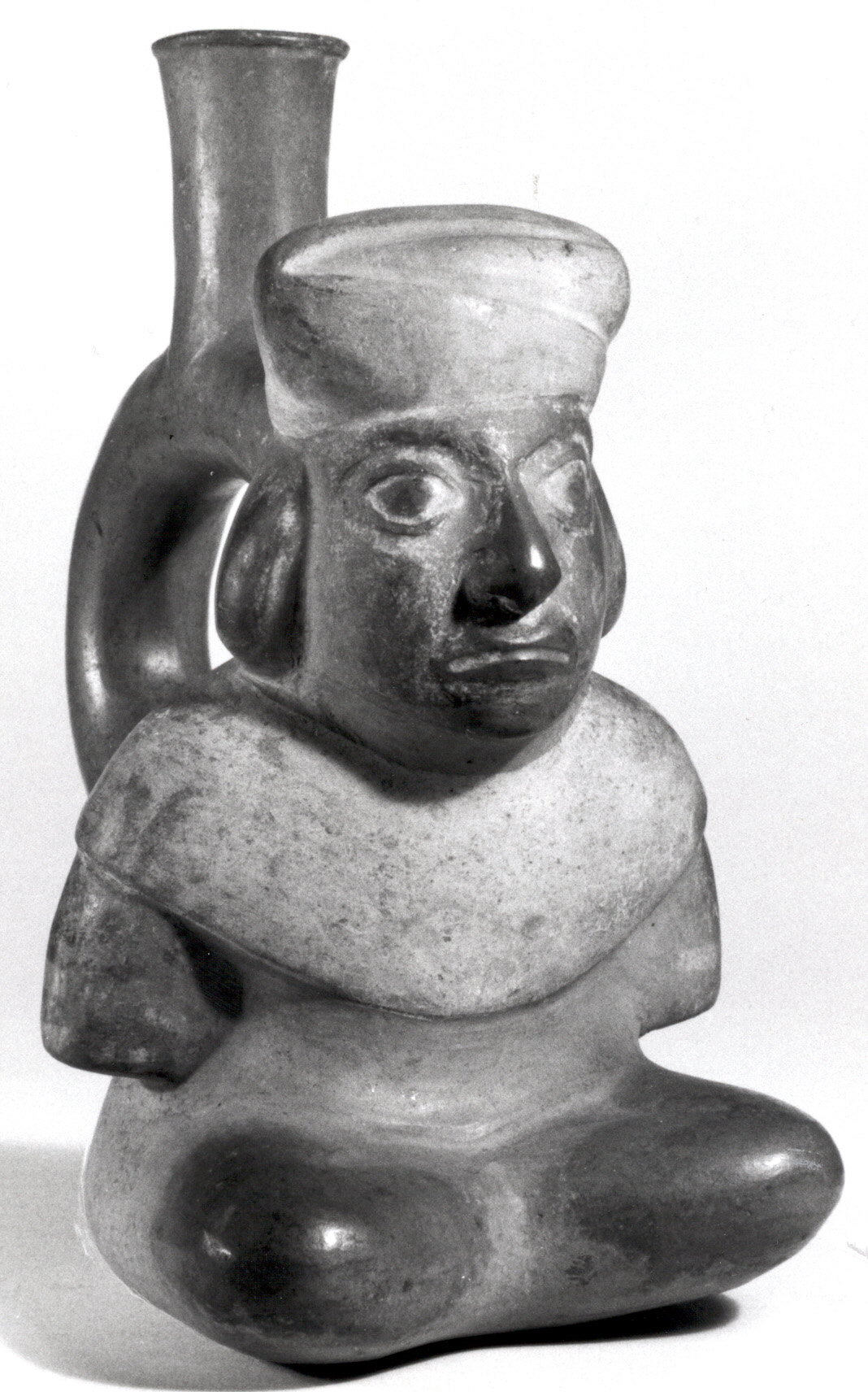
Killarumiyuq
Archaeological site with a moon stone
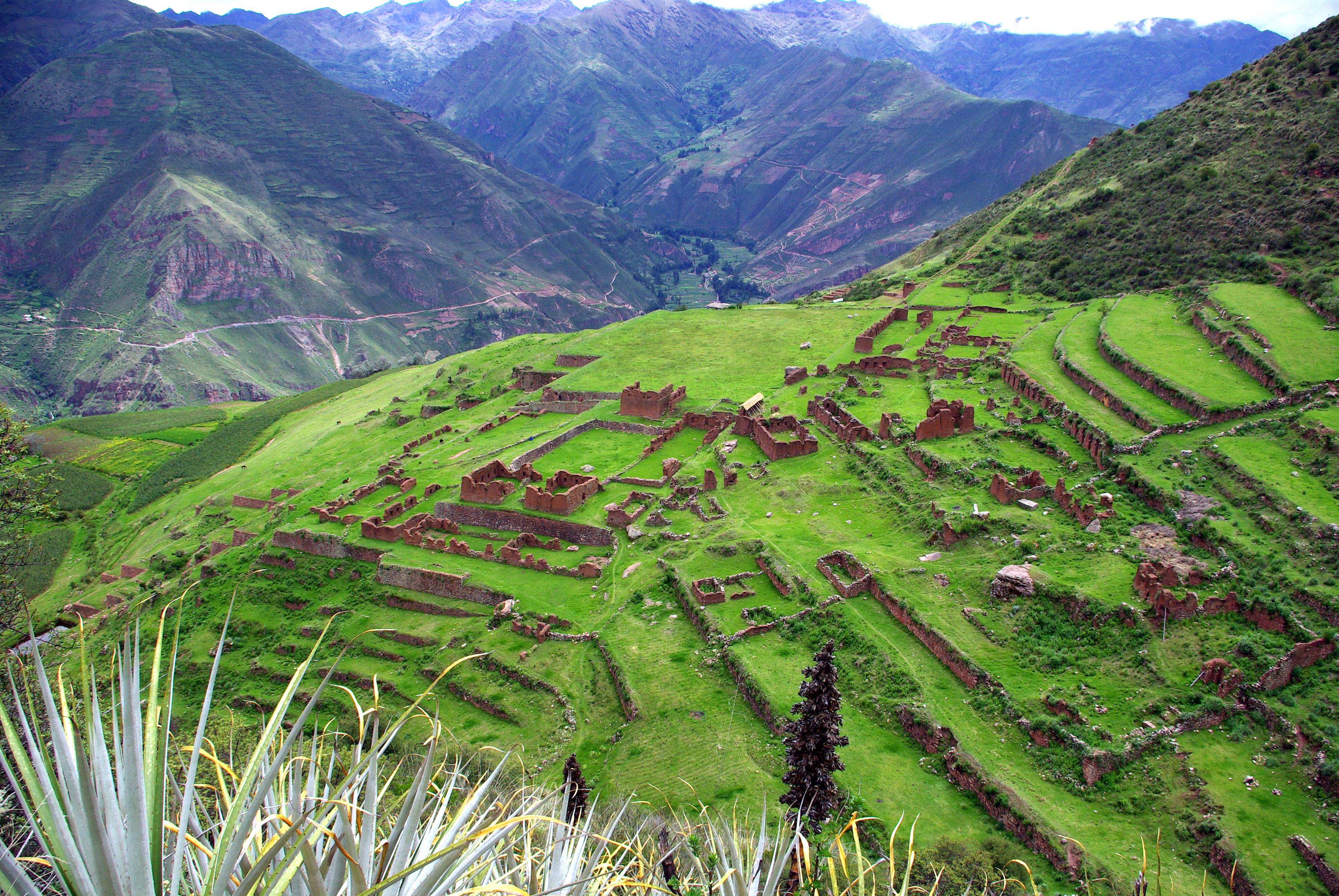
Huchuy Qosqo
Incan royal estate overlooking Sacred Valley