Time Periods
Paleolithic
Mesolithic
Neolithic
Chalcolithic
Bronze Age
Iron Age
Classical Period
Post-Classical Period
Early Modern Period
Industrial Period
Contemporary Period
Time Periods
Paleolithic
Mesolithic
Neolithic
Chalcolithic
Bronze Age
Iron Age
Classical Period
Post-Classical Period
Early Modern Period
Industrial Period
Contemporary Period
Location
About
Killarumiyuq, located in the Cusco Region of Peru, is an archaeological park notable for its association with the Quechua term for 'moon stone.' The site features a distinct stone carving that resembles a moon, which is central to its name and significance. This feature suggests the site's possible use or significance in religious or cultural practices, particularly those involving lunar symbolism or worship. Declared a National Cultural Heritage of Peru, Killarumiyuq offers insights into the local history and the cultural practices of the Andean civilizations that inhabited this region during the Late Post-Classical Period. The site contributes valuable information regarding the relationship between natural and cultural elements in pre-Columbian societies.
Gallery
Explore photographs of ancient structures, artifacts, and archaeological excavations at Killarumiyuq
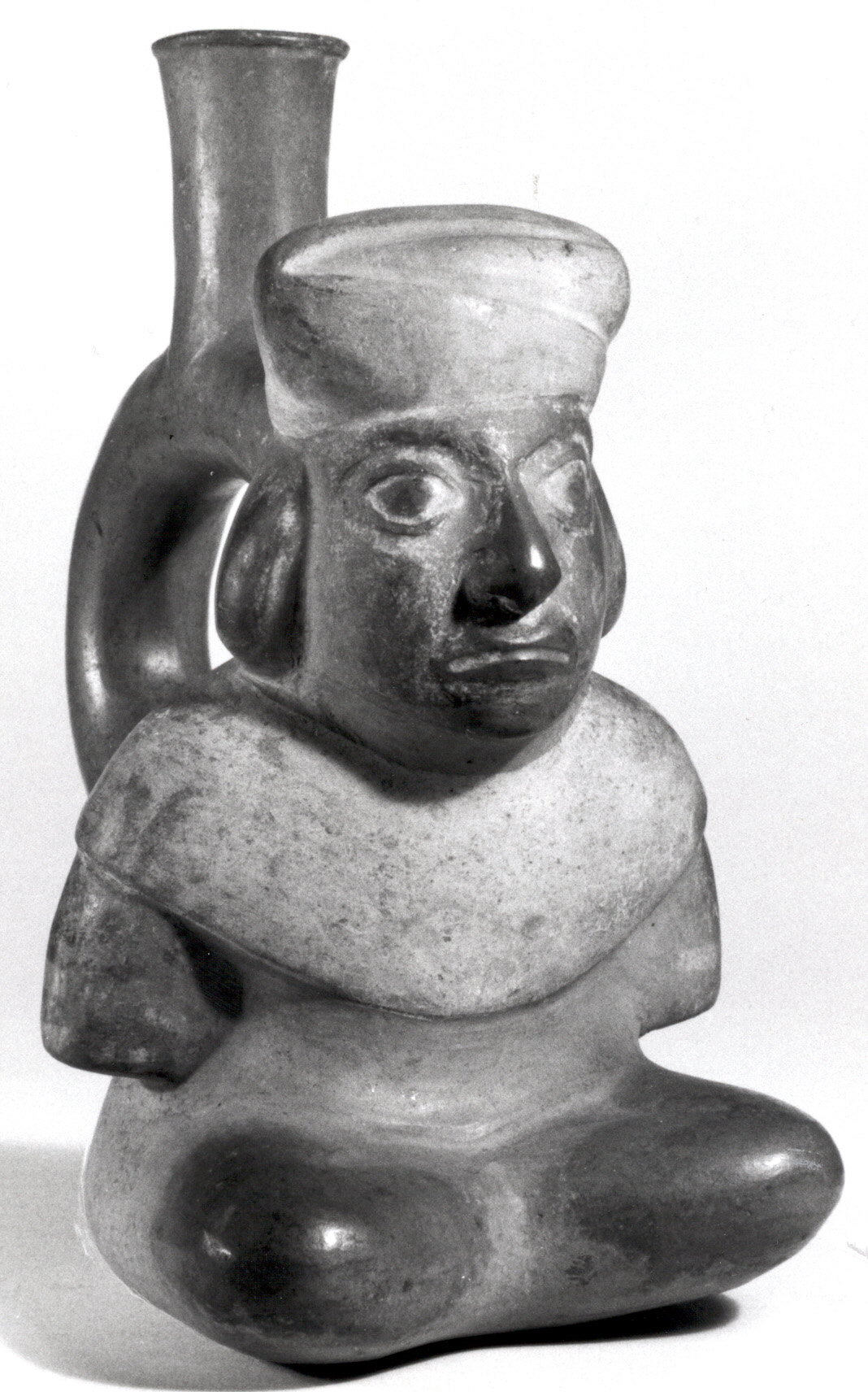
Archaeological Features
Explore the unique architectural and cultural elements found at this historical site
Religious and Ritual Structures
Historical Timeline
Journey through time and discover key events in this site's archaeological history
Plan Your Visit
Details
- Country
- Cusco Region
- Source
- Wikipedia
More Sites in Cusco Region
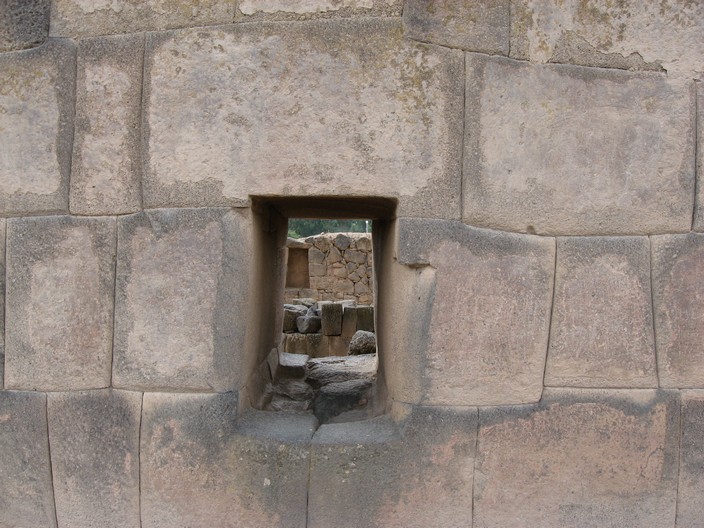
Raqch'i
Inca site with temple and defensive structures
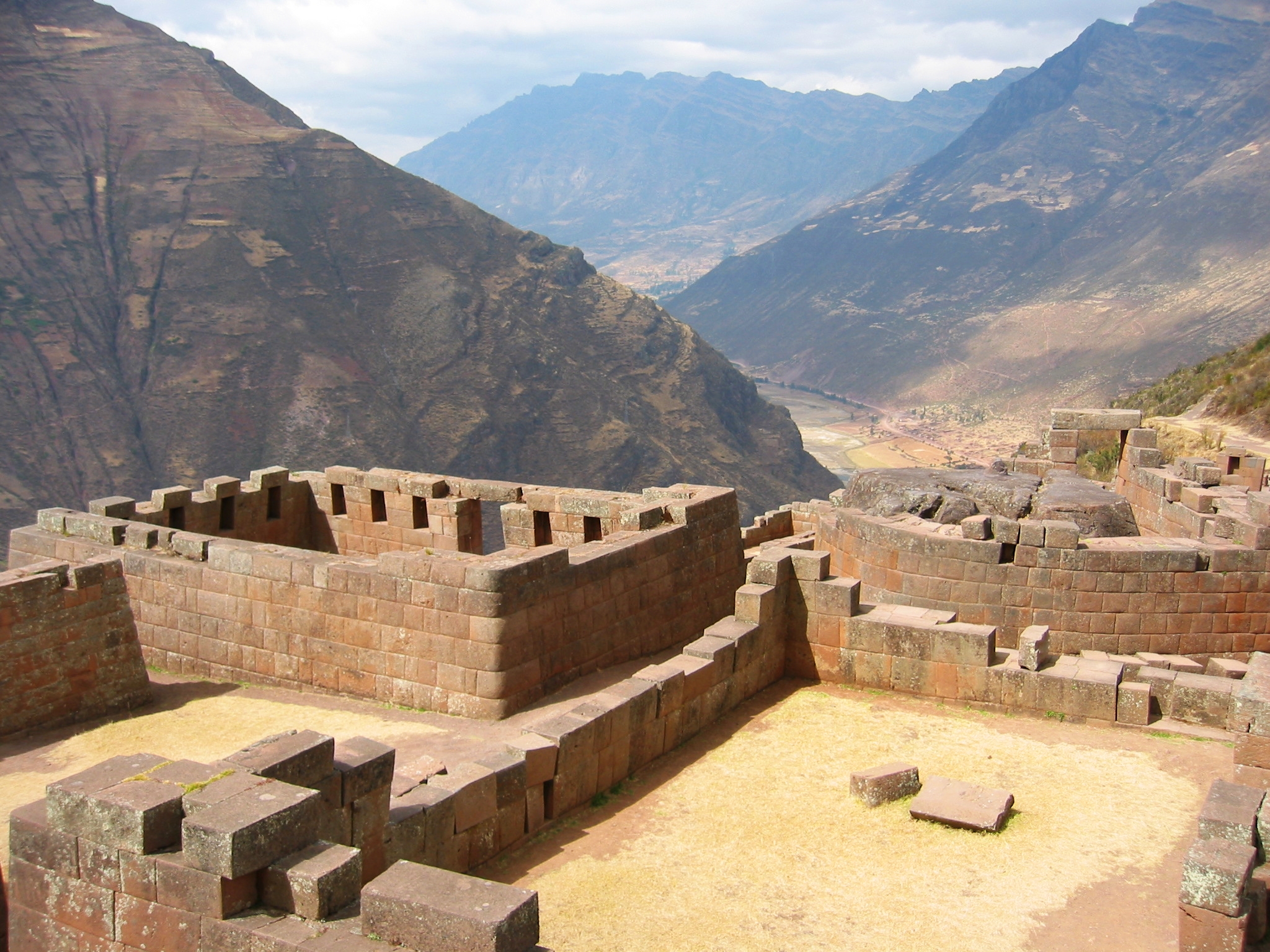
Inti Watana, Calca
Archaeological site in Cusco Region, Peru
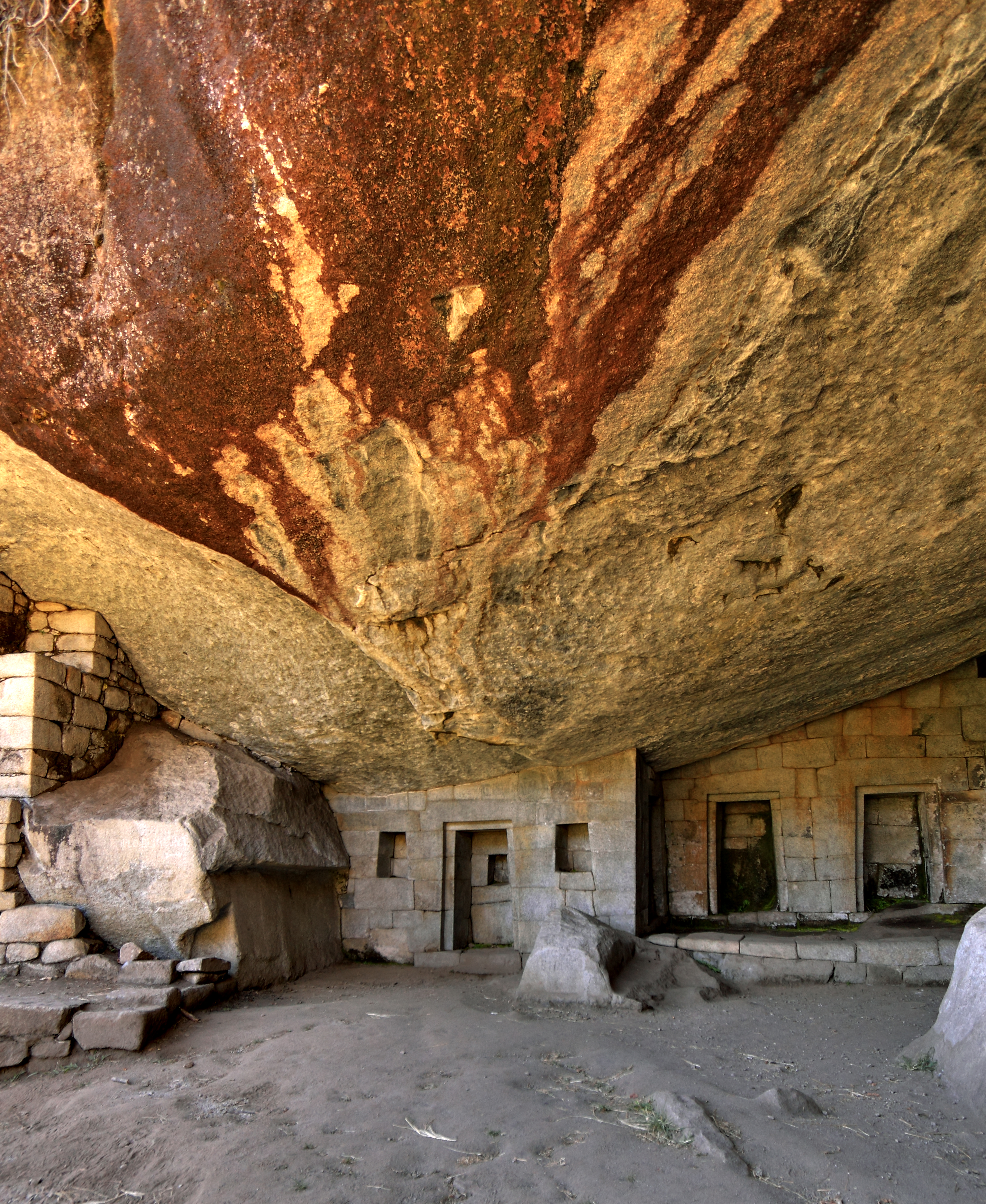
Temple of the Moon (Peru)
Incan stone temple with cave and niches
Choquequirao Puquio
Pre-Columbian site with water features
Chawaytiri
Rock paintings site with llama depictions
Quispiguanca
Inca royal estate with agricultural terraces