Time Periods
Paleolithic
Mesolithic
Neolithic
Chalcolithic
Bronze Age
Iron Age
Classical Period
Post-Classical Period
Early Modern Period
Industrial Period
Contemporary Period
Time Periods
Paleolithic
Mesolithic
Neolithic
Chalcolithic
Bronze Age
Iron Age
Classical Period
Post-Classical Period
Early Modern Period
Industrial Period
Contemporary Period
Location
About
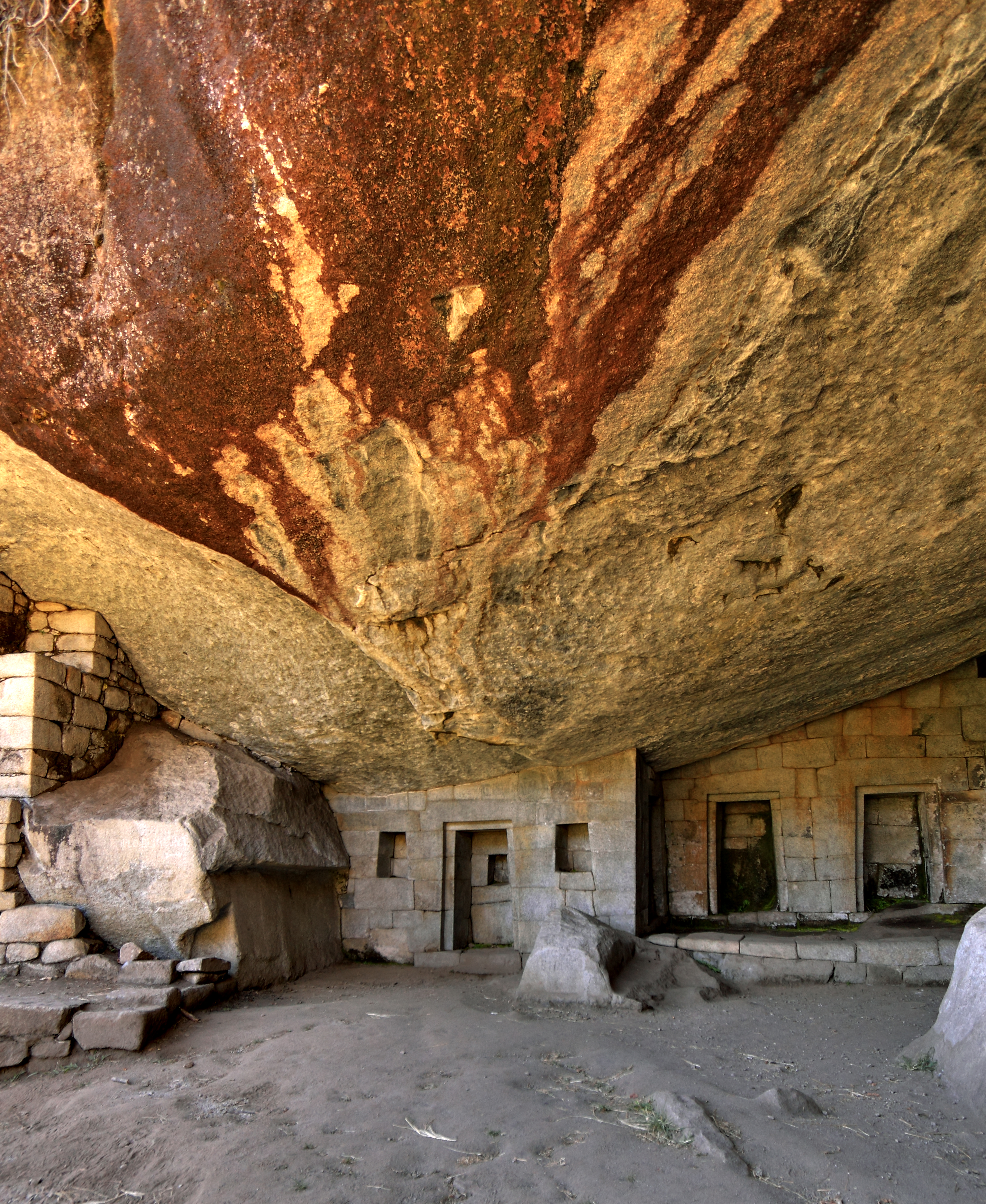
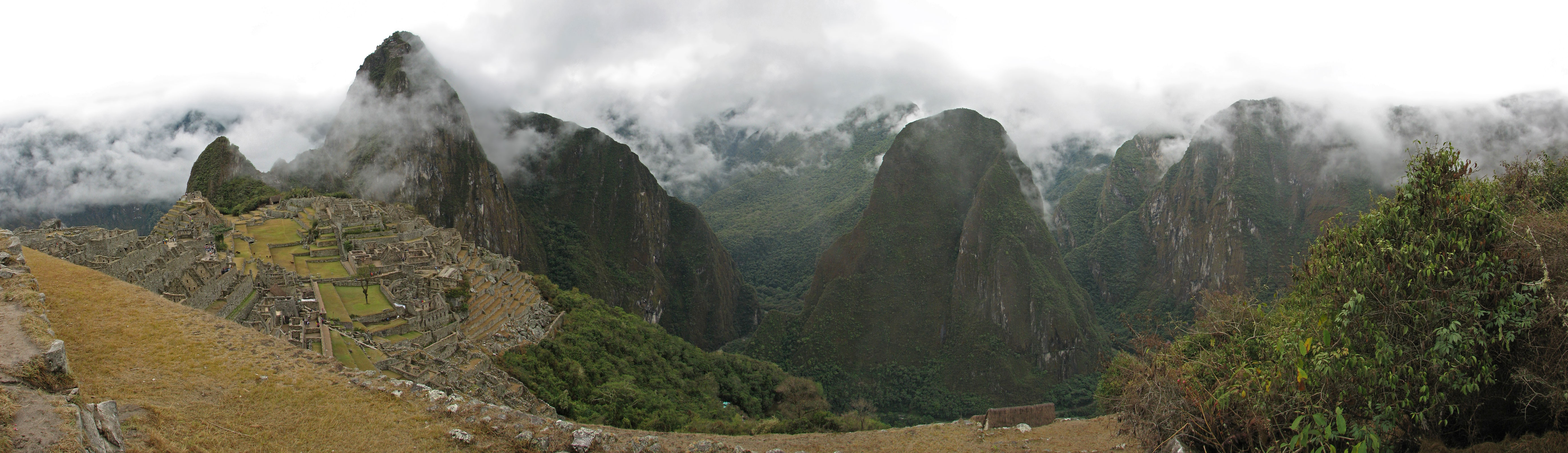
The Temple of the Moon is a significant Incan archaeological site located on Huayna Picchu near Machu Picchu in Peru. This ceremonial temple, dating back approximately 1500 years to the Late Post-Classical Period, showcases remarkable stone masonry and is strategically built into a shallow cave. It features an intricately carved stepped sculpture and multiple niches, believed to possibly serve as a place for worship, sacrifice, or even as a royal tomb. The structure embodies elements of Incan religious symbolism through its depiction of the three realms: the heavens, the earth, and the underworld, represented by the condor, the puma, and the snake, respectively. The site, with its grand 8-meter-high entrance and ceremonial platforms, underscores the architectural sophistication and spiritual significance of Incan culture.
Gallery
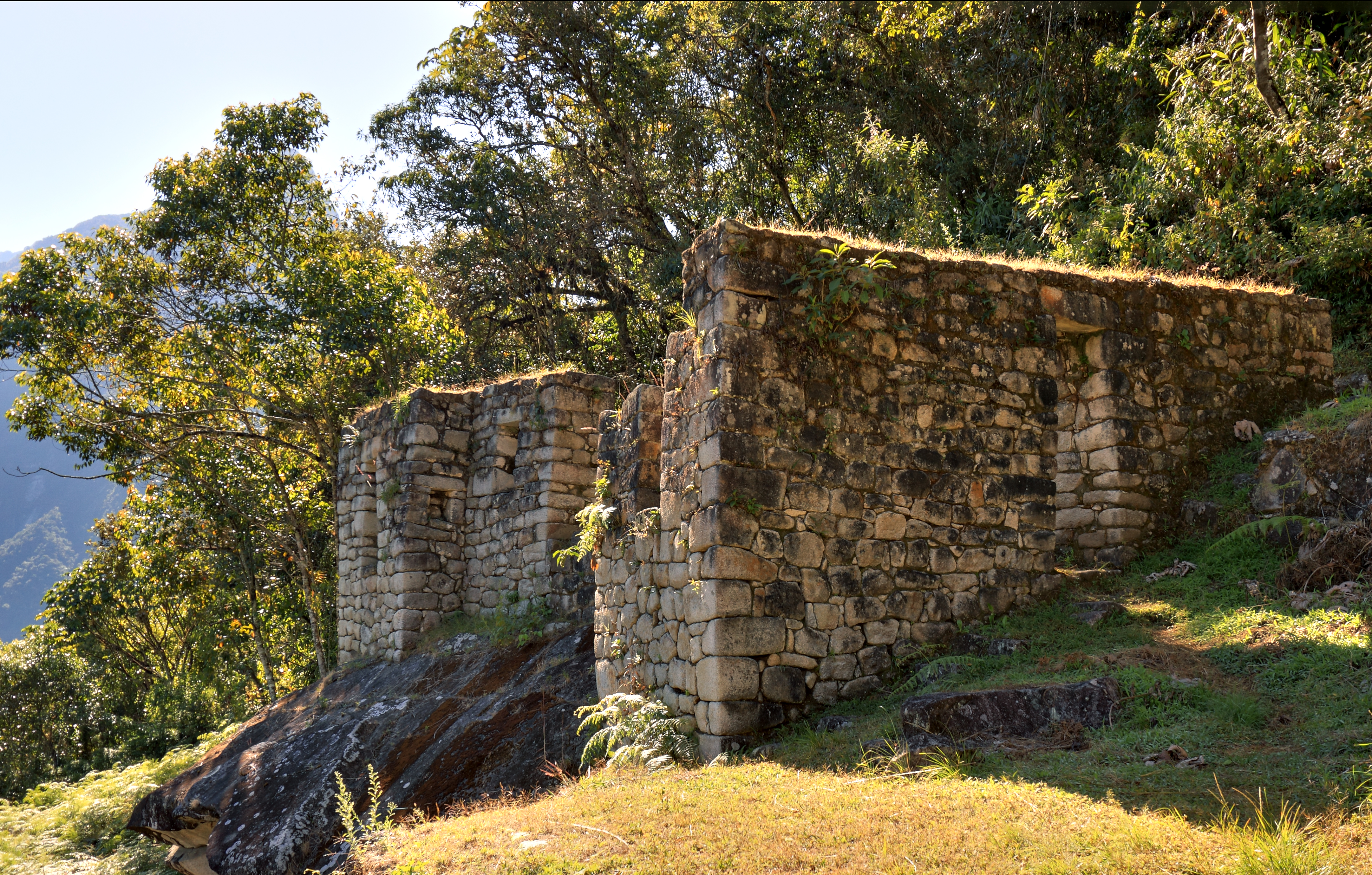
Explore photographs of ancient structures, artifacts, and archaeological excavations at Temple of the Moon (Peru)
Archaeological Features
Explore the unique architectural and cultural elements found at this historical site
Water Management Features
Burial and Funerary Structures
Religious and Ritual Structures
Environmental and Natural Features
Historical Timeline
Journey through time and discover key events in this site's archaeological history
Plan Your Visit
Details
- Country
- Cusco Region
- Source
- Wikipedia
More Sites in Cusco Region
Wiraqucha (Cusco)
Mountain with rock formations resembling toads.
Mawk'allaqta, Paruro
Ancient site in Cusco Region, Peru.
Wayna Tawqaray
Mountainous archaeological site near Cusco, Peru.
Sacred Valley
Fertile valley with Inca ruins and terraces
Tambomachay
Incan aqueducts, canals, and waterfalls near Cusco
Qollmay
Inca site with terraced structures and cave