Time Periods
Paleolithic
Mesolithic
Neolithic
Chalcolithic
Bronze Age
Iron Age
Classical Period
Post-Classical Period
Early Modern Period
Industrial Period
Contemporary Period
Time Periods
Paleolithic
Mesolithic
Neolithic
Chalcolithic
Bronze Age
Iron Age
Classical Period
Post-Classical Period
Early Modern Period
Industrial Period
Contemporary Period
Location
About
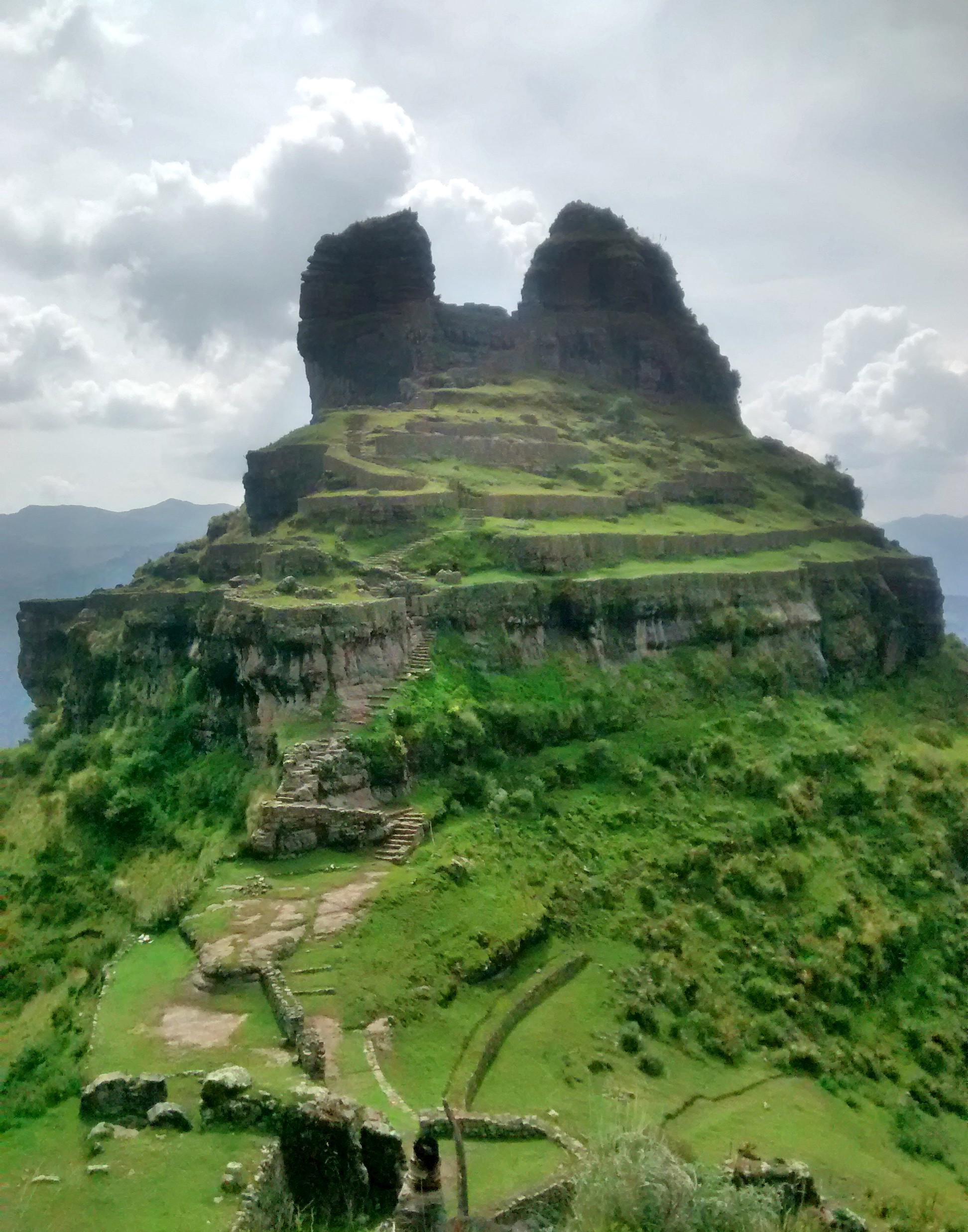
Waqrapukara, known as the 'horn fortress,' is an archaeological site nestled in the mountainous terrain of the Cusco Region in Peru. Standing at an elevation of 4,300 meters, this site exemplifies Inca architectural ingenuity, characterized by its strategic location and robust construction. Originally built by the Canchis people, it was later conquered and utilized by the Incas, serving as a sanctuary. This site's unique geographical positioning and cultural significance underscore its role in the Andean civilizations' military and religious activities. Its designation as a National Cultural Heritage Site in 2017 highlights its importance and the need for preservation of its historical legacy.
Gallery
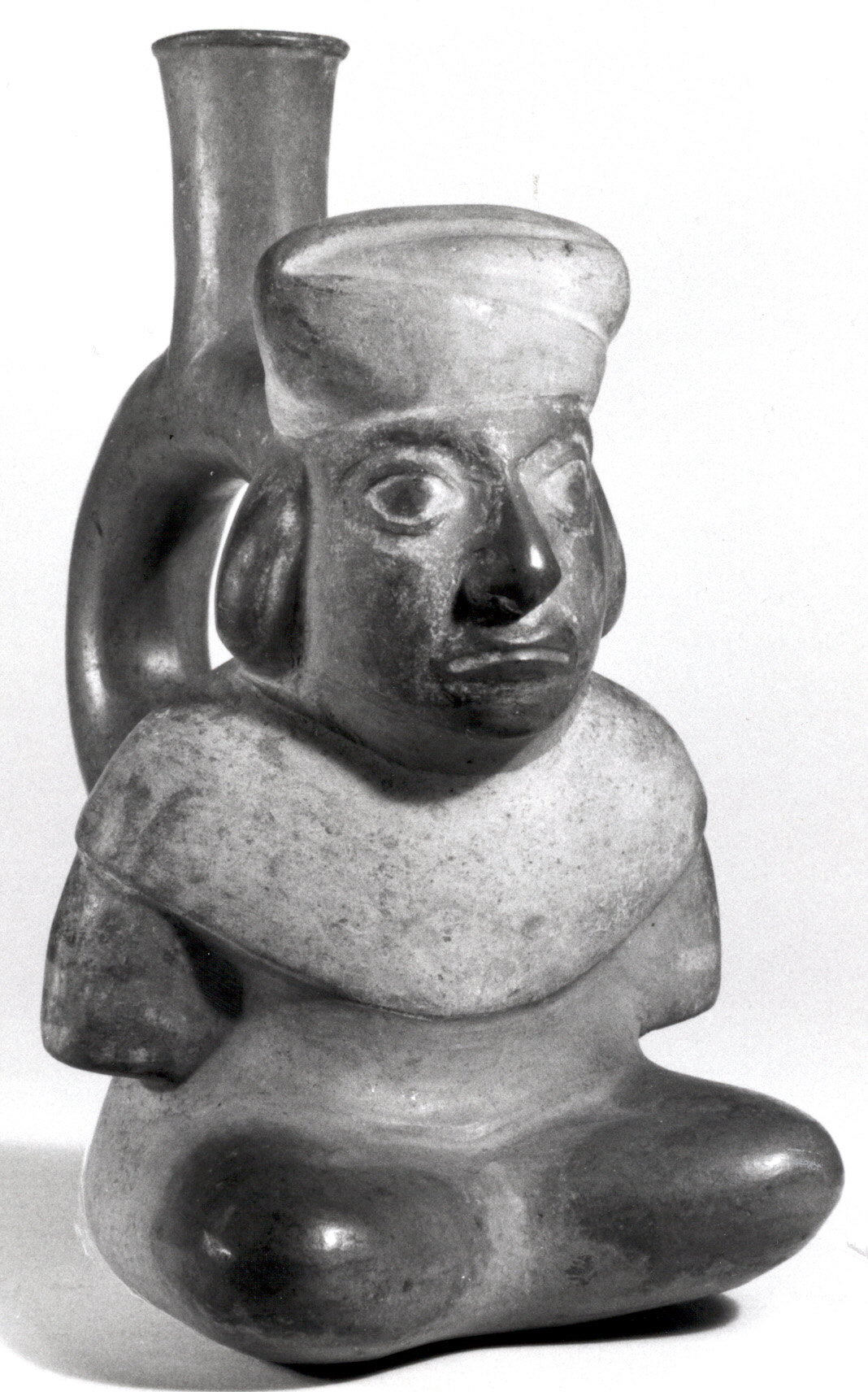
Explore photographs of ancient structures, artifacts, and archaeological excavations at Waqrapukara
Archaeological Features
Explore the unique architectural and cultural elements found at this historical site
Defensive Structures
Religious and Ritual Structures
Historical Timeline
Journey through time and discover key events in this site's archaeological history
Plan Your Visit
Details
- Country
- Cusco Region
- Source
- Wikipedia
More Sites in Cusco Region
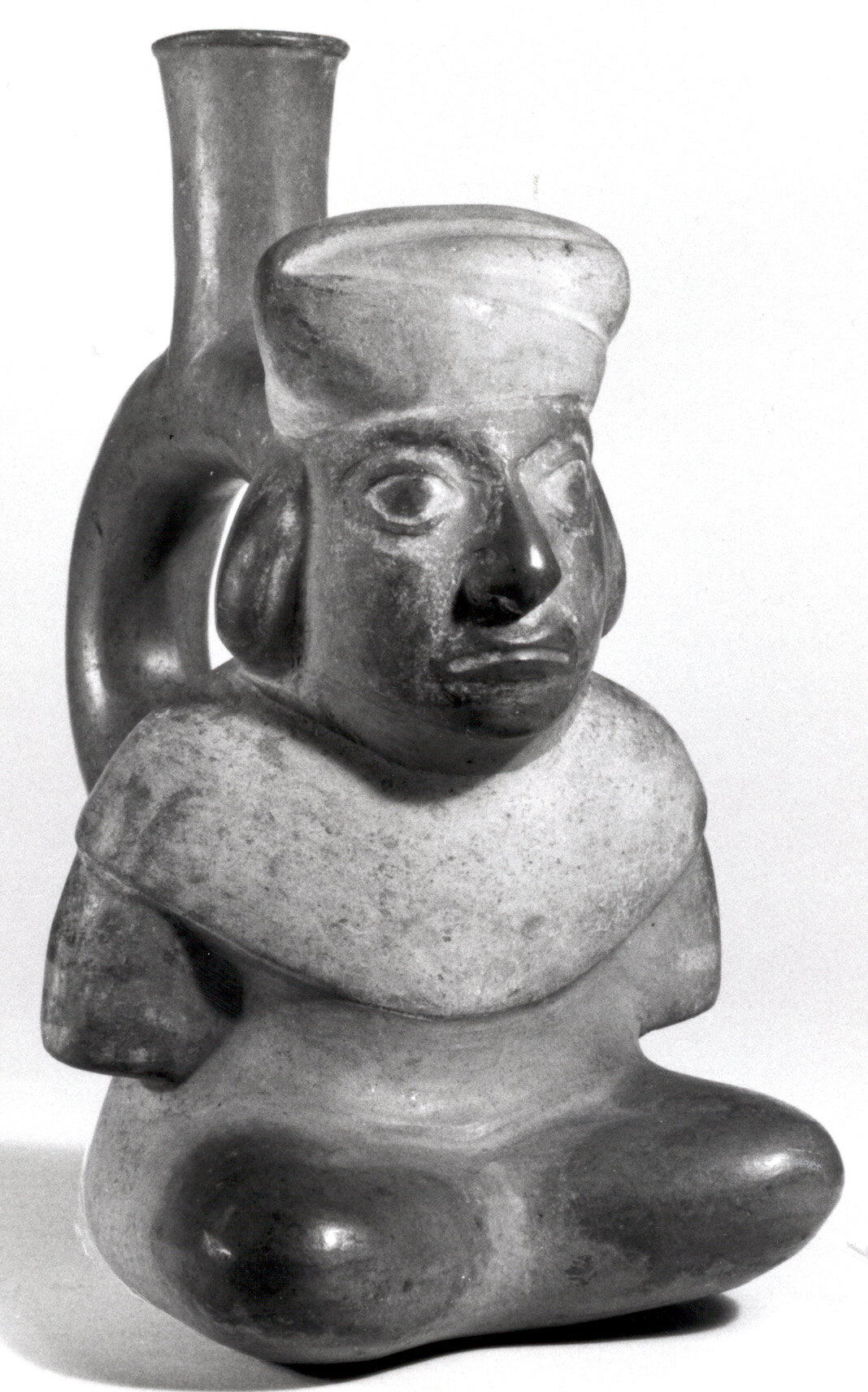
Qollmay
Inca site with terraced structures and cave
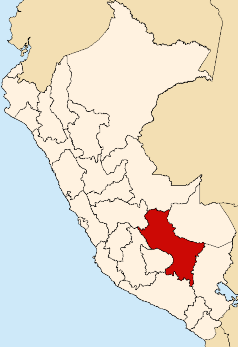
Muyu Urqu
Prominent hill with archaeological remains
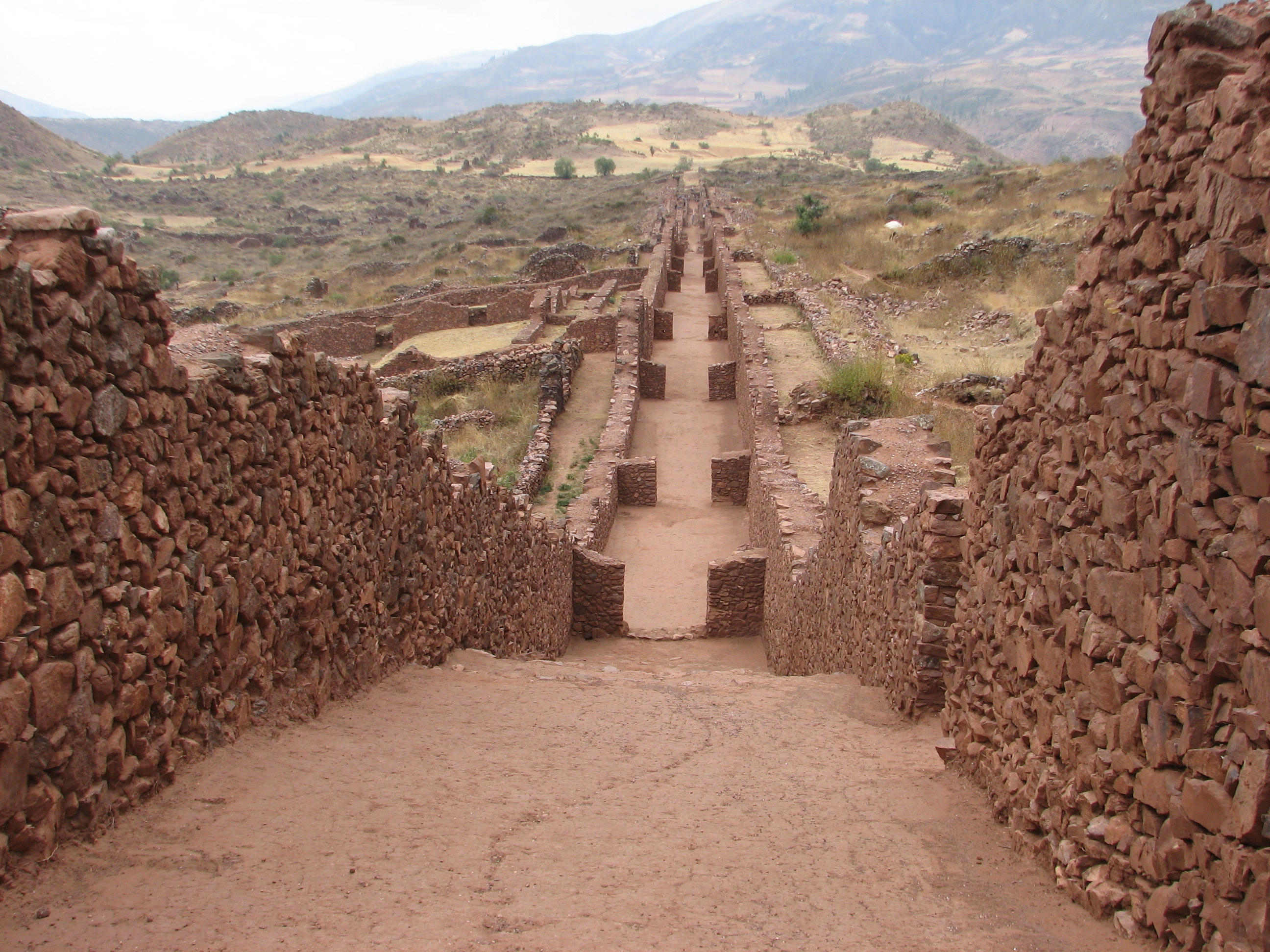
Pikillaqta
Large Wari ceremonial and fortified site.
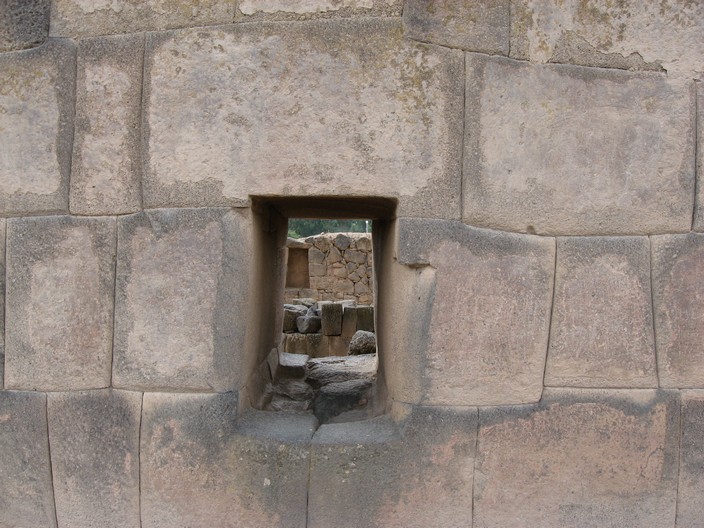
Raqch'i
Inca site with temple and defensive structures
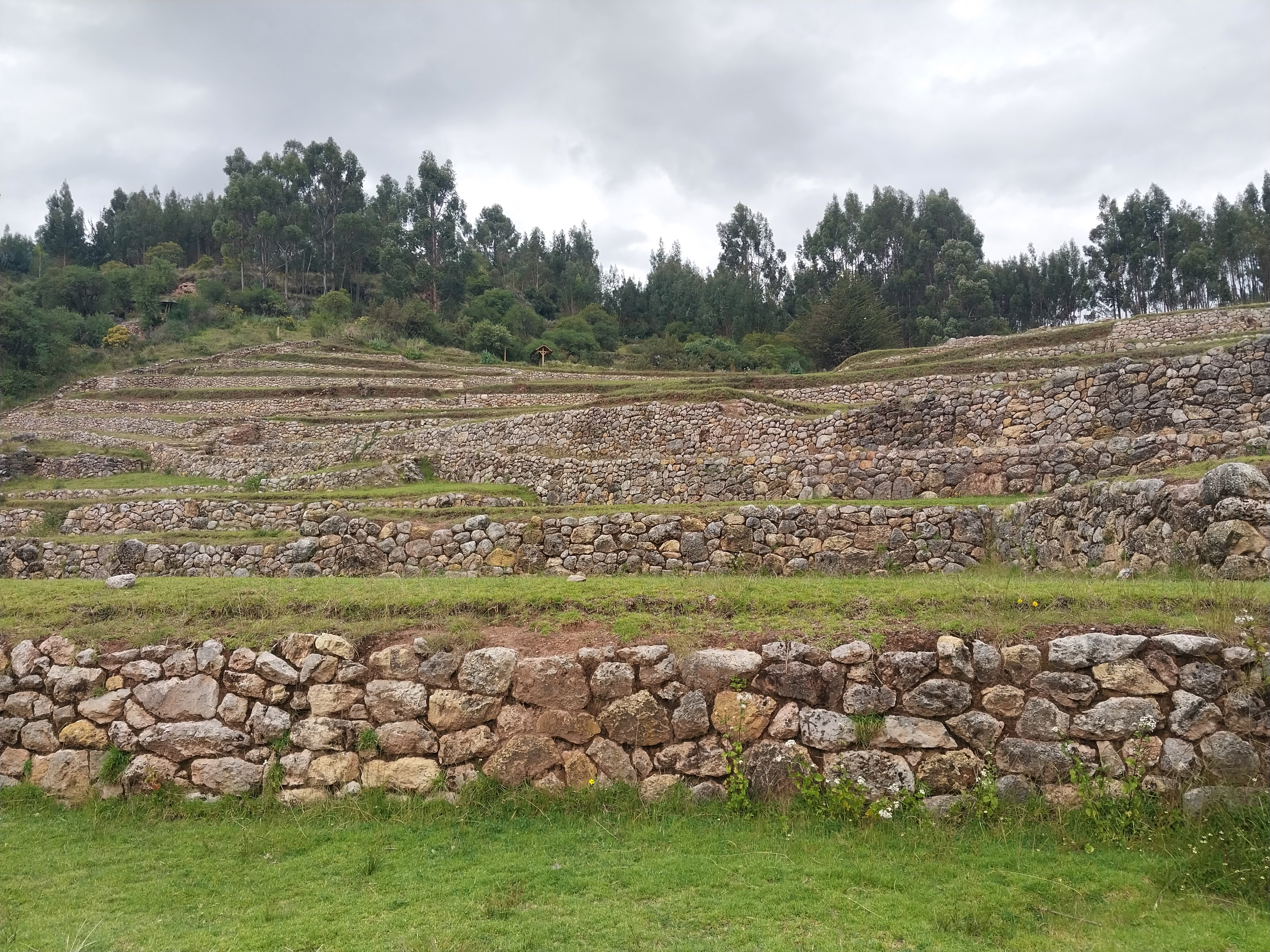
Inkilltambo
Ancient Peruvian site with cultivated terrain.
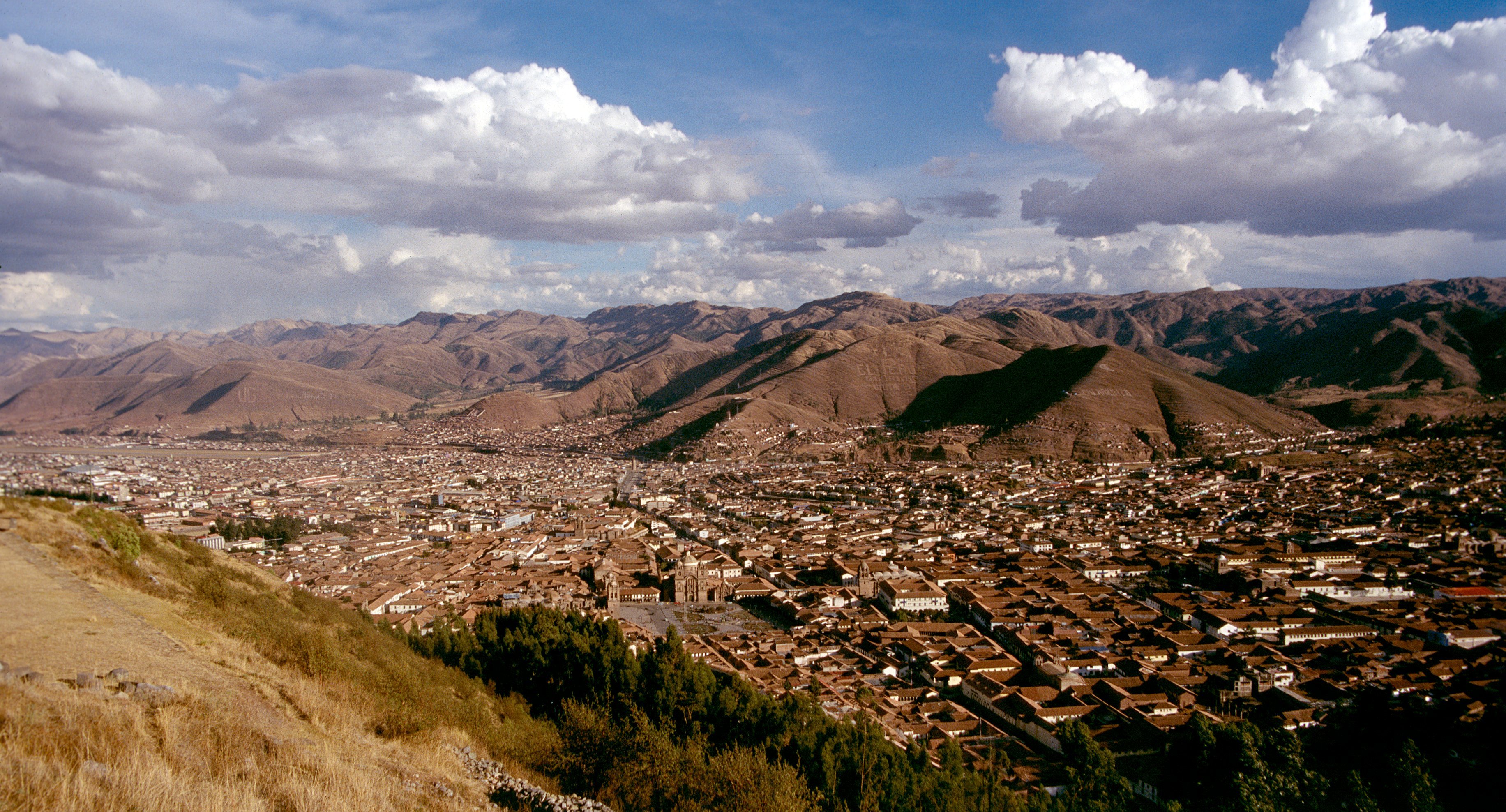
Wanakawri (Cusco)
High elevation Inca wak'a site