Time Periods
Paleolithic
Mesolithic
Neolithic
Chalcolithic
Bronze Age
Iron Age
Classical Period
Post-Classical Period
Early Modern Period
Industrial Period
Contemporary Period
Time Periods
Paleolithic
Mesolithic
Neolithic
Chalcolithic
Bronze Age
Iron Age
Classical Period
Post-Classical Period
Early Modern Period
Industrial Period
Contemporary Period
Location
About
Wayna Q'inti is an archaeological site located in the Cusco Region of Peru, specifically in the Machupicchu District, Urubamba Province. Positioned above the left bank of the Willkanuta River, it is close to other significant archaeological sites such as Machu Q'inti, Willkaraqay, and Patallaqta (Q'inti Marka), which translates to 'hummingbird village' in Quechua. Given its proximity to these sites, Wayna Q'inti likely shares cultural and historical significance with the Incan civilization, possibly serving as a smaller settlement or village. The site's name, meaning 'young hummingbird,' suggests an association with the region's natural wildlife. The archaeological features present, primarily domestic and habitation structures, indicate it may have been a settlement area during the Late Post-Classical Period, around the 15th century CE.
Gallery
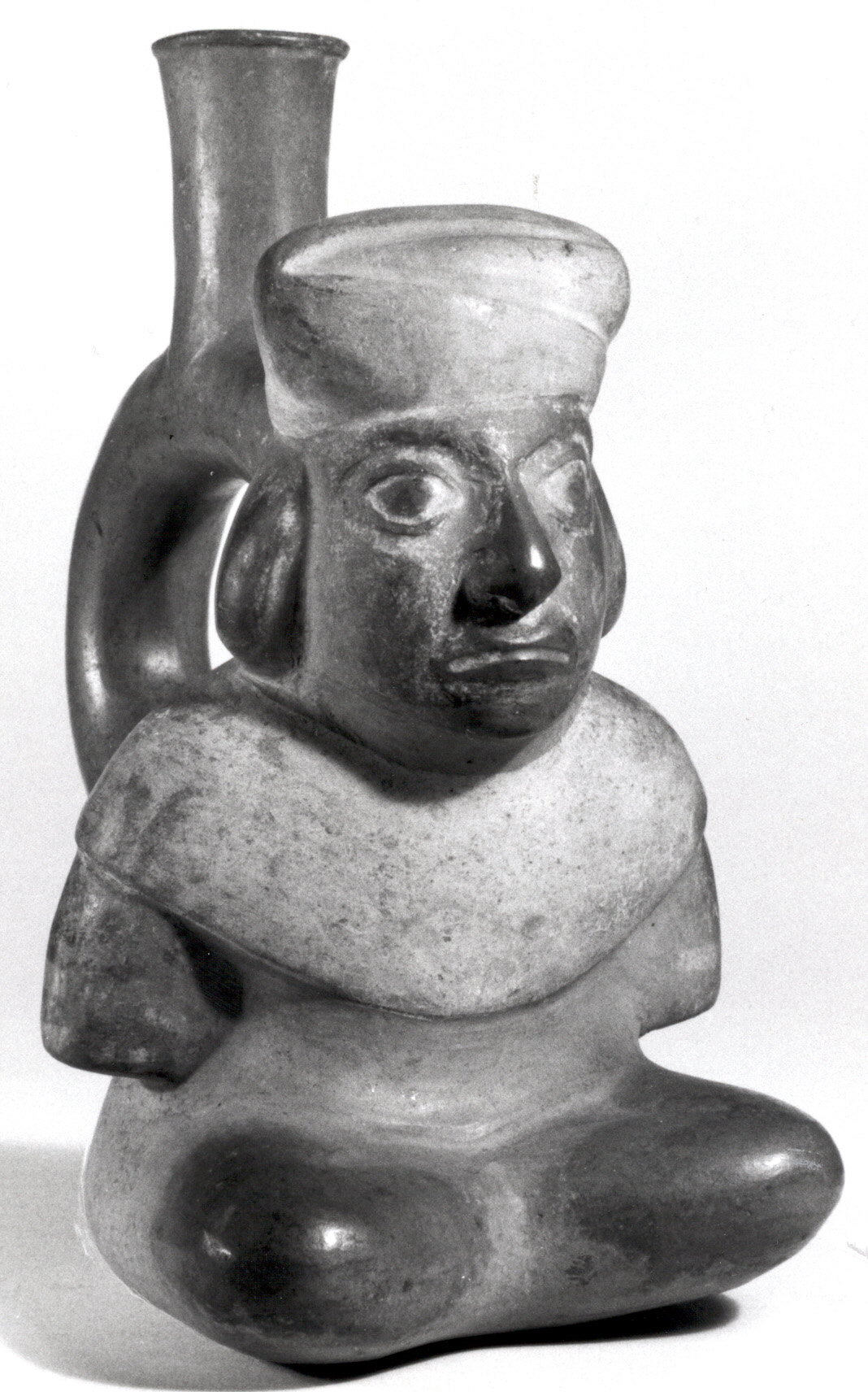
Explore photographs of ancient structures, artifacts, and archaeological excavations at Wayna Q'inti
Archaeological Features
Explore the unique architectural and cultural elements found at this historical site
Domestic and Habitation Structures
Historical Timeline
Journey through time and discover key events in this site's archaeological history
Plan Your Visit
Details
- Country
- Cusco Region
- Source
- Wikipedia
More Sites in Cusco Region
Muyu Urqu
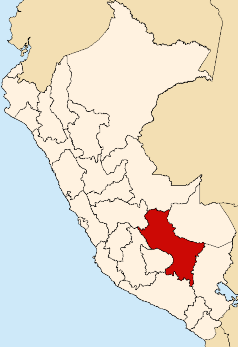
Prominent hill with archaeological remains
Inkilltambo
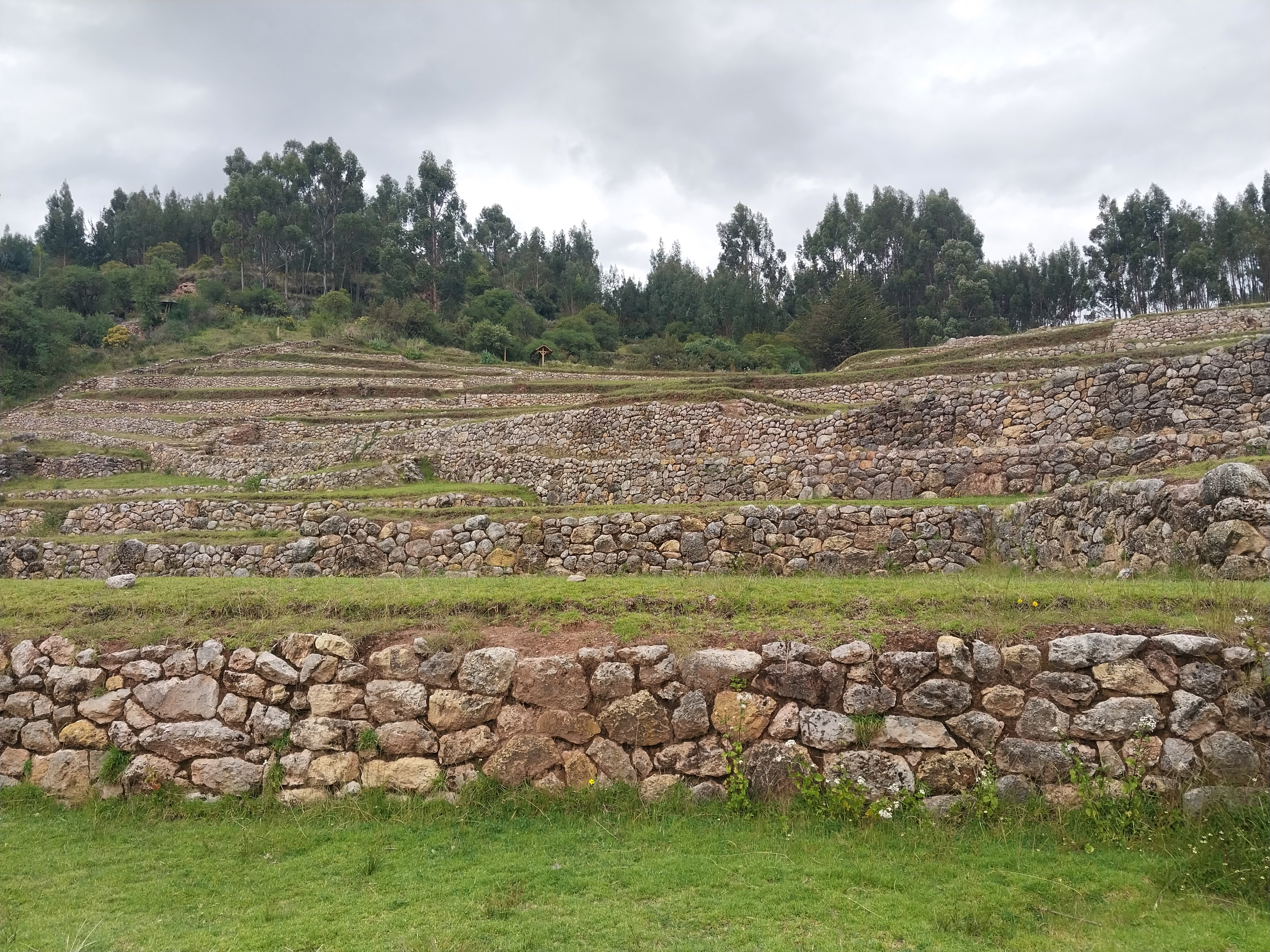
Ancient Peruvian site with cultivated terrain.
Huayna Picchu
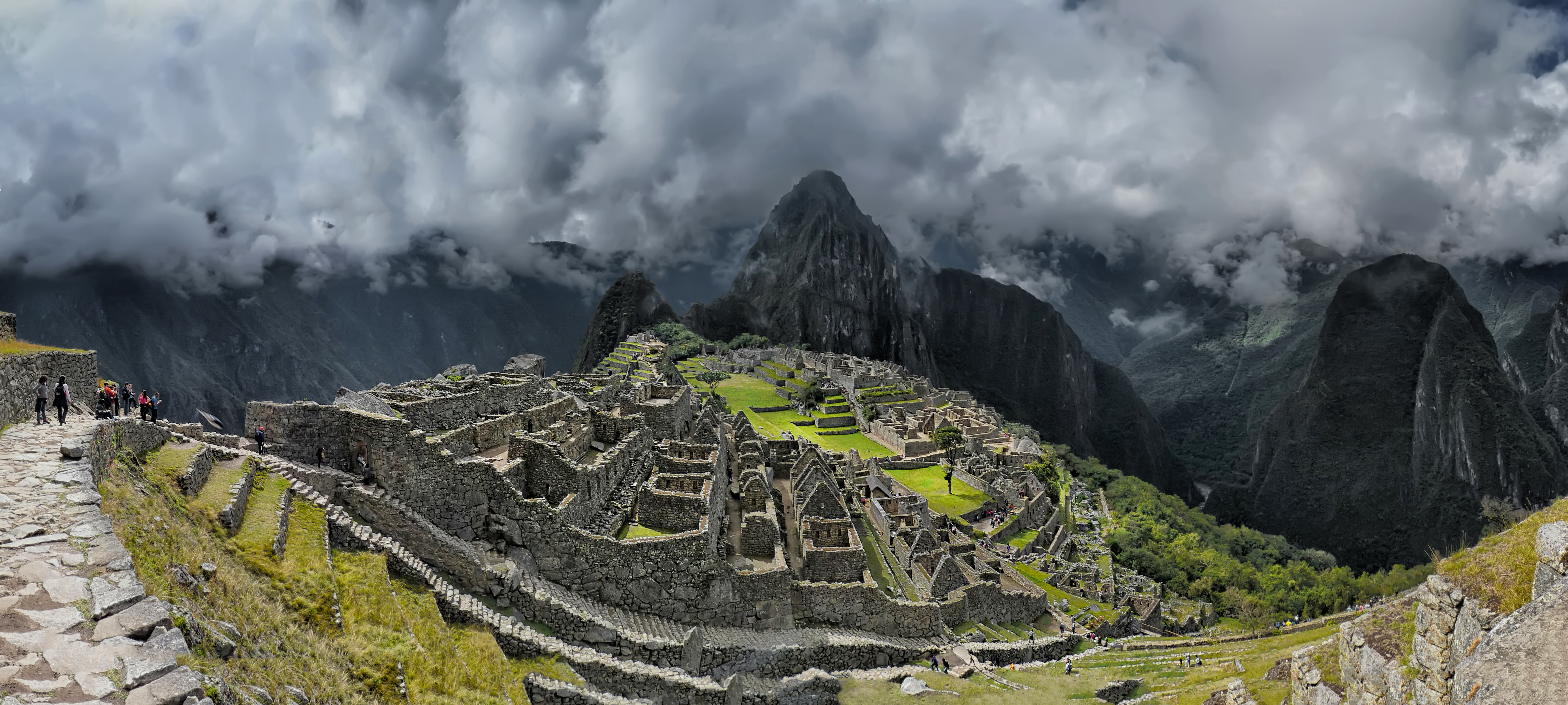
Mountain with Inca trails and temples.
Mawk'allaqta, Paruro
Ancient site in Cusco Region, Peru.
Pumamarka, Urubamba
Puma village at river confluence, Peru.
Choquequirao Puquio
Pre-Columbian site with water features