Wiñay Wayna
Time Periods
Paleolithic
Mesolithic
Neolithic
Chalcolithic
Bronze Age
Iron Age
Classical Period
Post-Classical Period
Early Modern Period
Industrial Period
Contemporary Period
Time Periods
Paleolithic
Mesolithic
Neolithic
Chalcolithic
Bronze Age
Iron Age
Classical Period
Post-Classical Period
Early Modern Period
Industrial Period
Contemporary Period
Location
About
Wiñay Wayna (2650 m) (Quechua for "forever young", Hispanicized spelling Huiñay Huayna) is an Inca ruin along the Inca Trail to Machu Picchu. It is built into a steep hillside overlooking the Urubamba River. The site consists of upper and lower house complexes connected by a staircase and fountain structures. Above and below the houses the people built areas of agricultural terraces or andenes, which are still visible. A camp site for hikers with the same name is located in the vicinity and is usually used as the last overnight camping site for hikers undertaking the classical Inca Trail.
Plan Your Visit
Details
- Country
- Cusco Region
- Source
- Wikipedia
More Sites in Cusco Region
Kanamarka
Archaeological site in Cusco Region, Peru
Ollantaytambo
Explore this archaeological site.
Mawk'allaqta, Paruro
Ancient site in Cusco Region, Peru.
Muyu Urqu
Prominent hill with archaeological remains
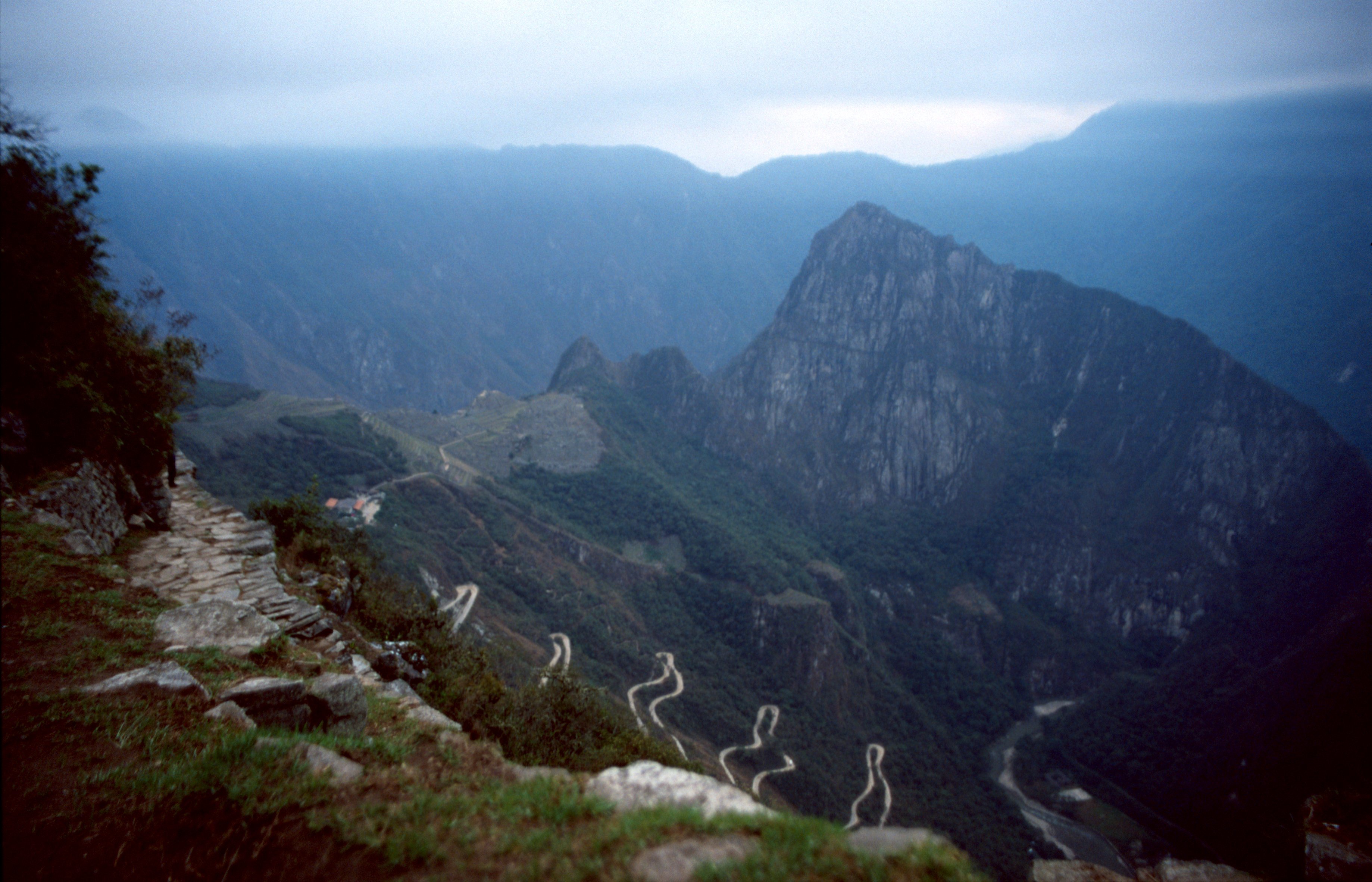
Inti Punku
Ancient stone gateway overlooking Machu Picchu
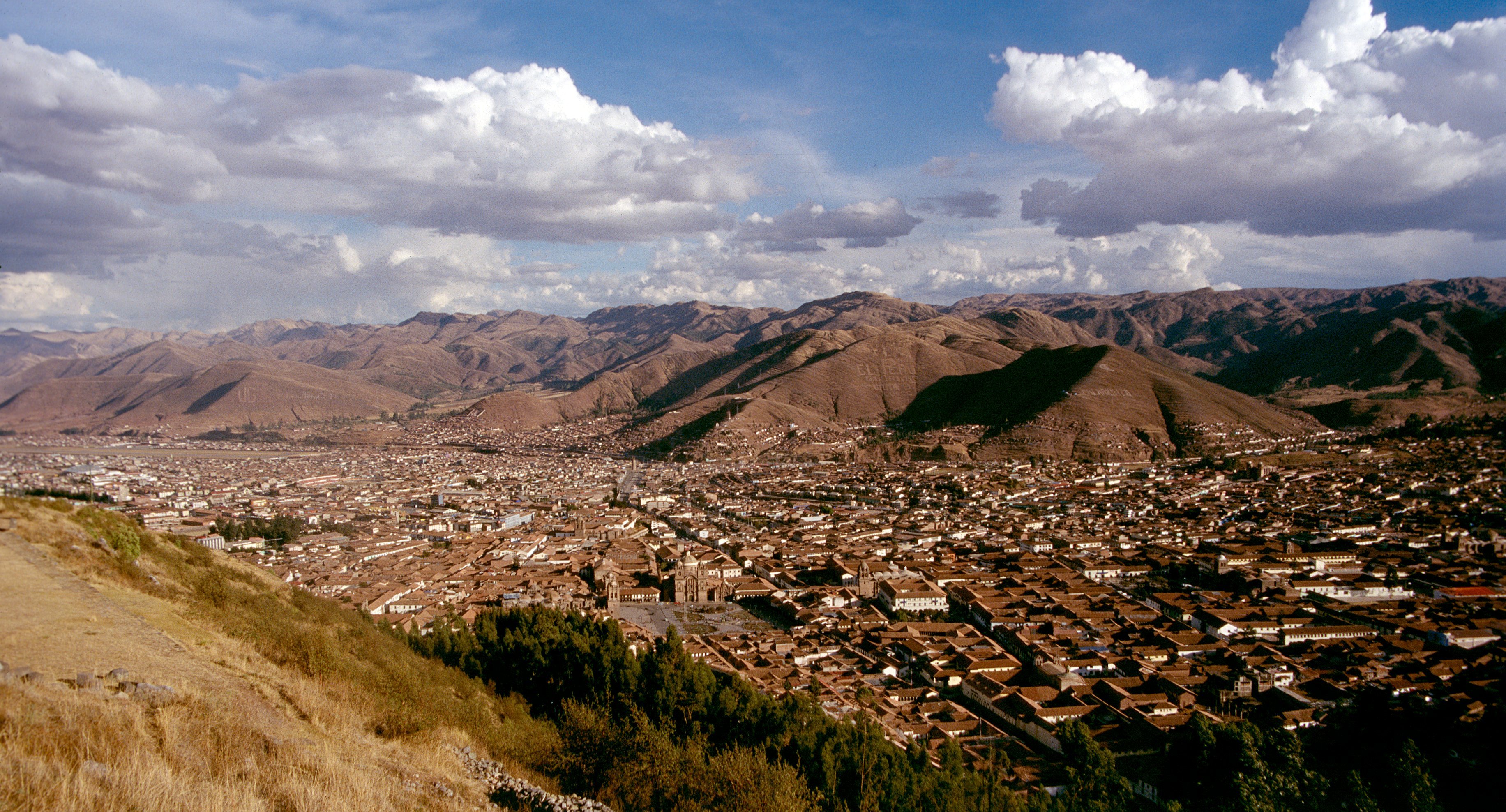
Wanakawri (Cusco)
High elevation Inca wak'a site