
Explore the Map
Aetokremnos
34.5706° N, 32.9906° E
About
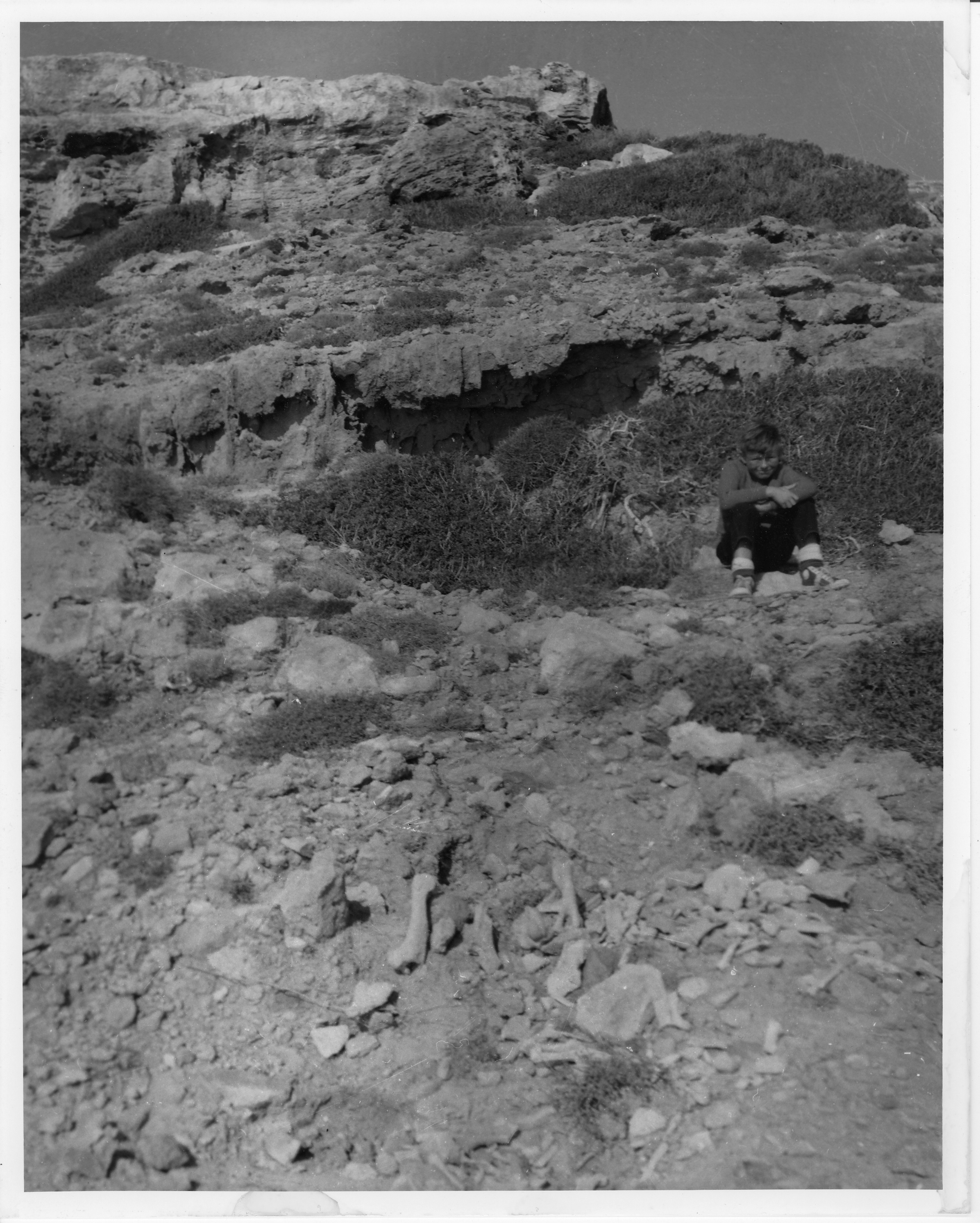
Aetokremnos is a significant archaeological site located on a cliffside near Limassol, Cyprus. This rock shelter is notable for its evidence of one of the earliest human occupations on the island, dating back to approximately 12,000 years ago. The site primarily contains remains of the Cyprus Dwarf Hippopotamus, as well as a smaller number of dwarf elephants, with over 370 hippo individuals identified. Archaeological finds include around 1,000 flint artifacts resembling those of the Natufian culture, and evidence of hearths, suggesting a short-term human occupation during the Epipalaeolithic period. The high frequency of burned bones at the site raises discussions on whether these were remnants of human activity or natural processes. Despite controversies regarding the origins of the bone accumulations, Aetokremnos provides crucial insights into early human habitation and the island's prehistoric fauna.
Gallery
Explore photographs of ancient structures, artifacts, and archaeological excavations
Historical Timeline
Journey through time and discover key events in this site's history
Epipalaeolithic occupation
11,775 BCE - 11,504 BCE
Archaeological Features
Unique architectural and cultural elements found at this historical site
Environmental and Natural Features
Food Production and Processing Features
Frequently Asked Questions
Plan Your Visit
Tours, travel arrangements, and practical information
More Sites in Cyprus
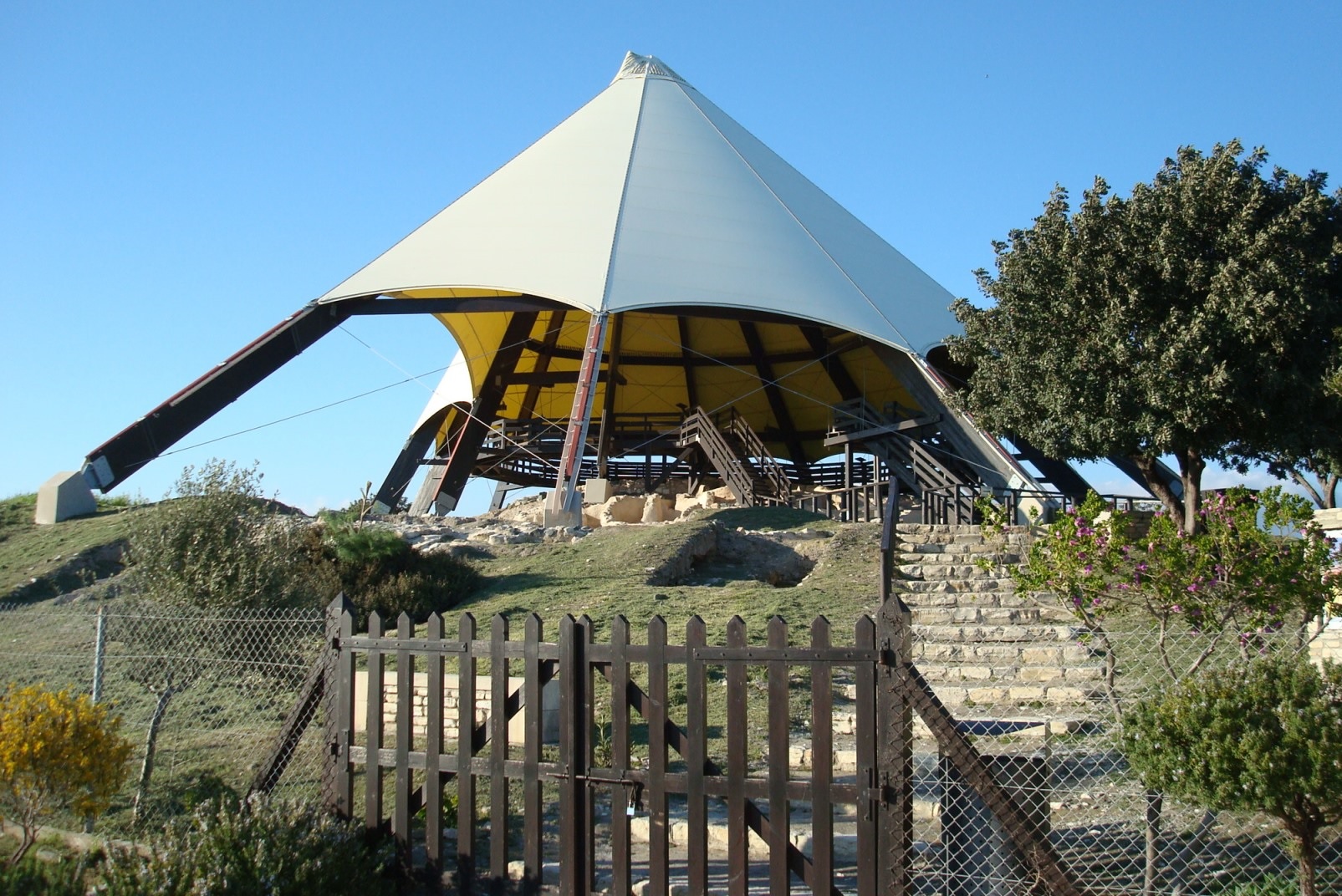
Tenta, Cyprus
Aceramic Neolithic settlement on Cyprus hill.
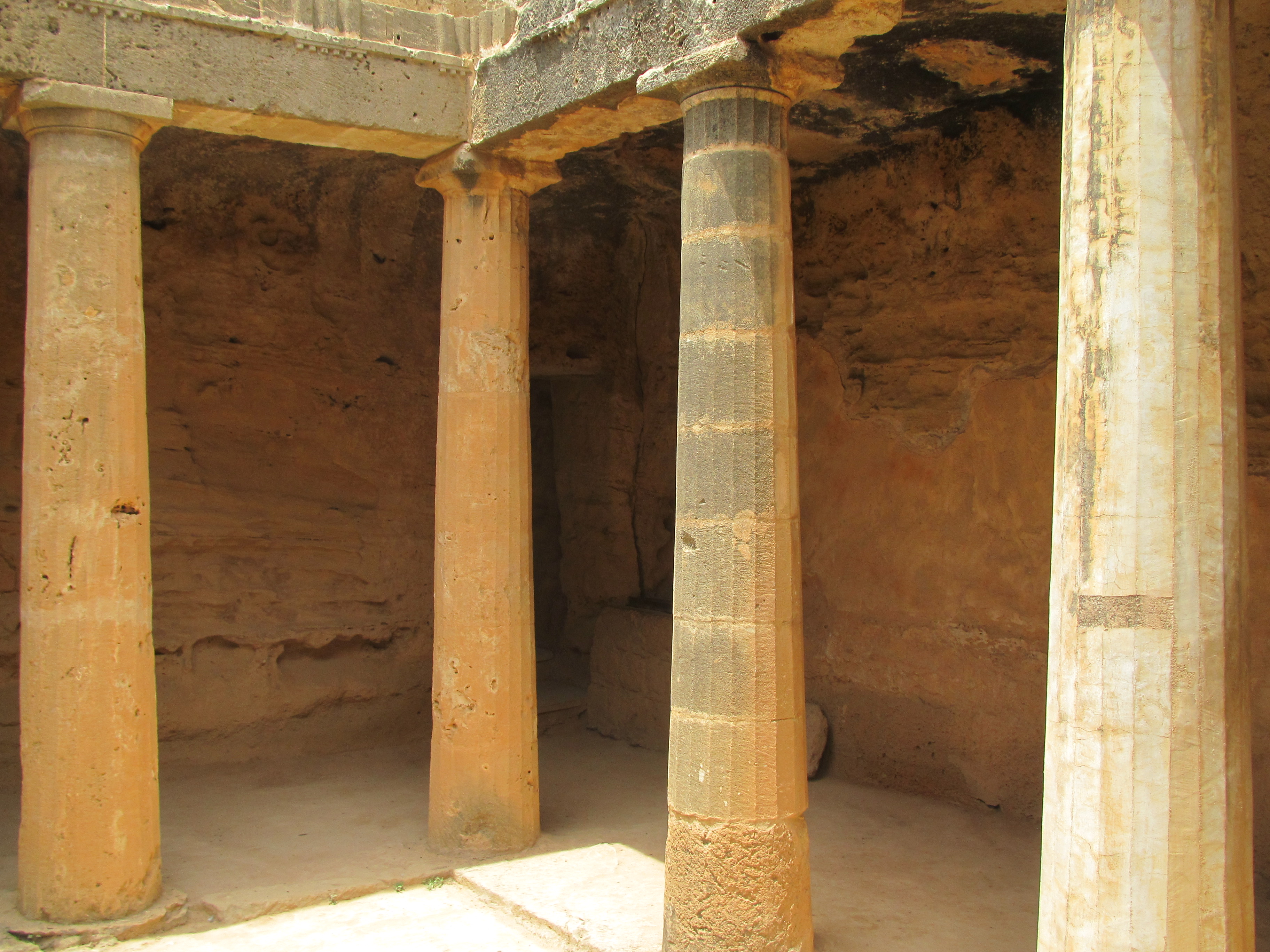
Tombs of the Kings (Paphos)
Rock-cut necropolis with Doric columns.
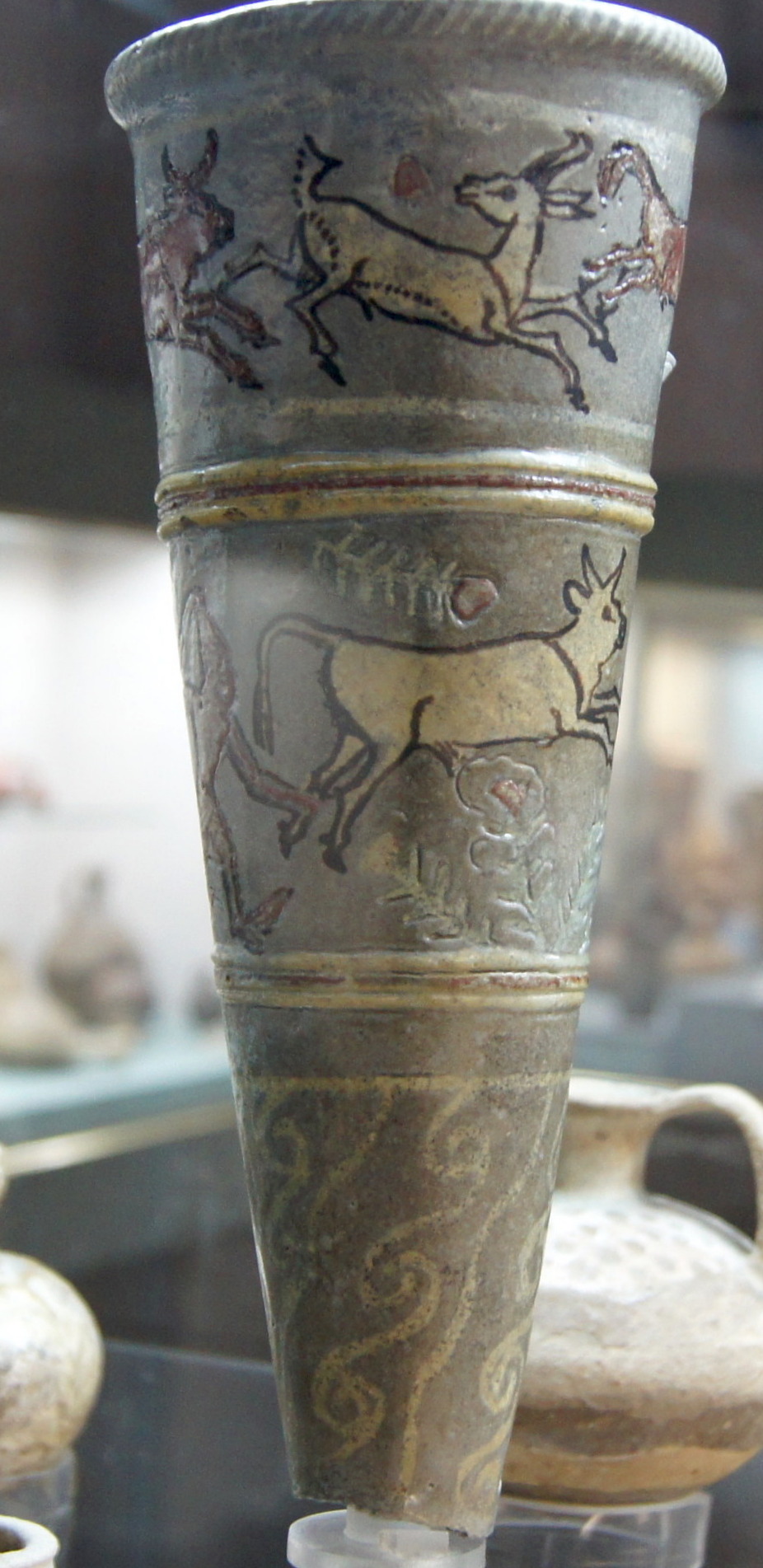
Kition
Ancient city-kingdom in southern Cyprus (Larnaca)
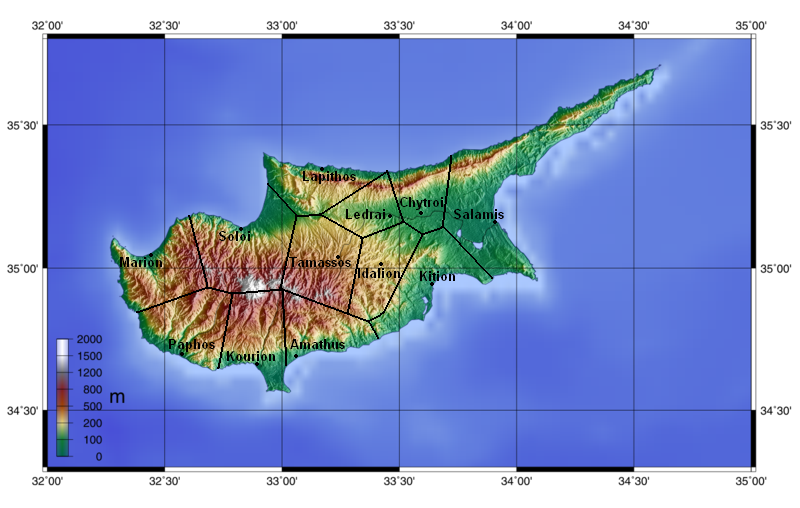
Soli, Cyprus
Ancient city with temples and theatre
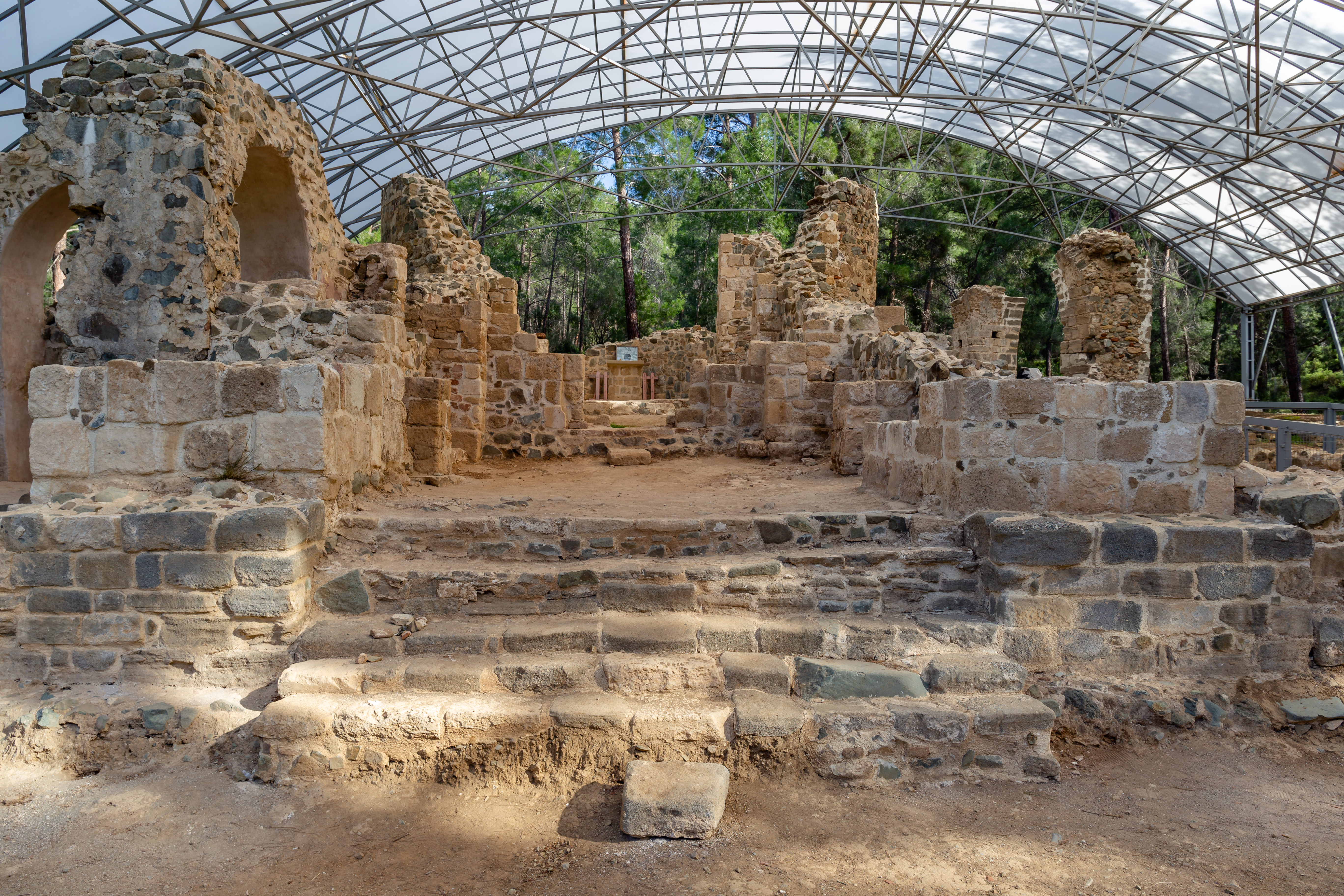
Gialia Monastery
Ruined medieval Georgian Orthodox monastery in Cyprus
Katalymata ton Plakoton
Byzantine religious complex with mosaics