Explore the Map
Saft el-Hinna
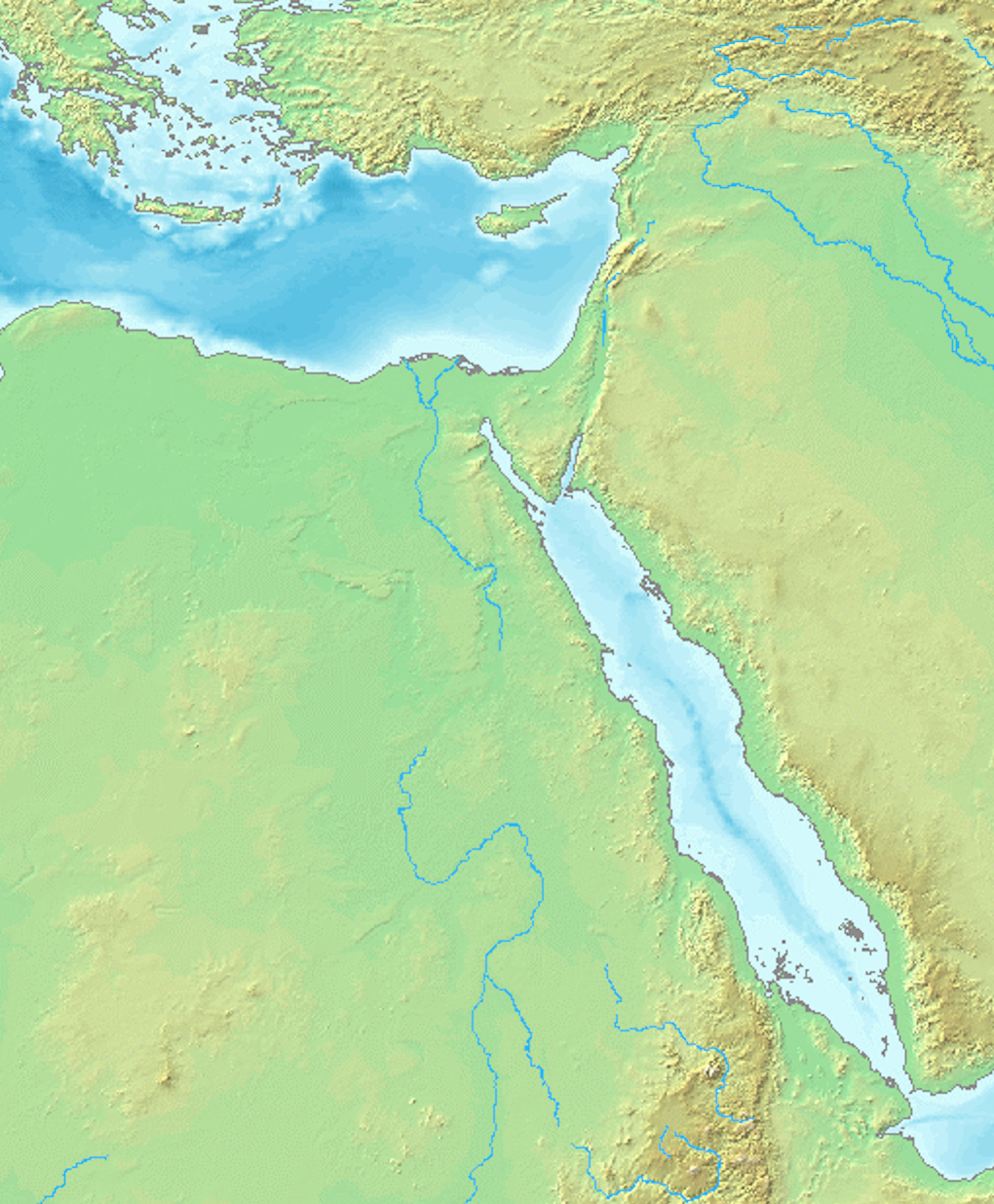
30.5556° N, 31.6097° E
About
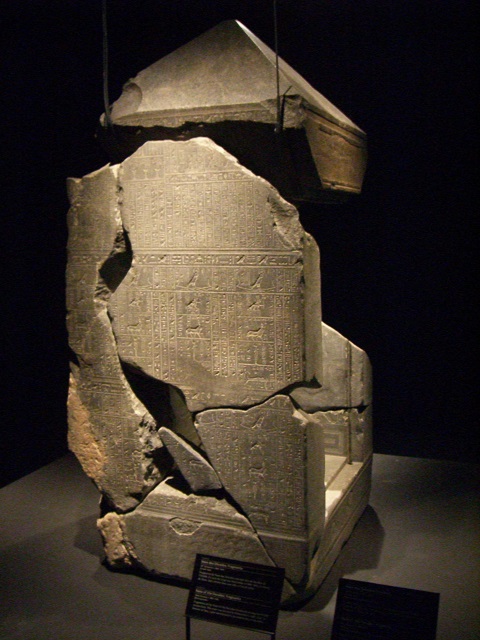
Saft el-Hinna, located in Egypt's Nile Delta, is an archaeological site of significant historical importance. Known in ancient times as Per-Sopdu, it was a major cult center dedicated to Sopdu, the god of Egypt's eastern borders. The site served as the capital of the 20th nome of Lower Egypt during the Late Period and was a key location in the Third Intermediate Period as one of the Meshwesh chiefdoms. Archaeological evidence includes the remains of temples from the reign of Nectanebo I, signifying its religious importance. Necropolises have also been discovered, highlighting its role as a burial center. Despite modern encroachment, the site has provided insights into the Ptolemaic and Roman periods, reflecting its continuous occupation and significance in antiquity.
Gallery
Explore photographs of ancient structures, artifacts, and archaeological excavations
Historical Timeline
Journey through time and discover key events in this site's history
Late Period capital
8th century BCE
Third Intermediate Period chiefdom
8th century BCE
Nectanebo I temple construction
4th century BCE
Ptolemaic and Roman occupation
3rd century BCE to 4th century CE
Archaeological Features
Unique architectural and cultural elements found at this historical site
Burial and Funerary Structures
Religious and Ritual Structures
Domestic and Habitation Structures
Frequently Asked Questions
Plan Your Visit
Tours, travel arrangements, and practical information
More Sites in Egypt
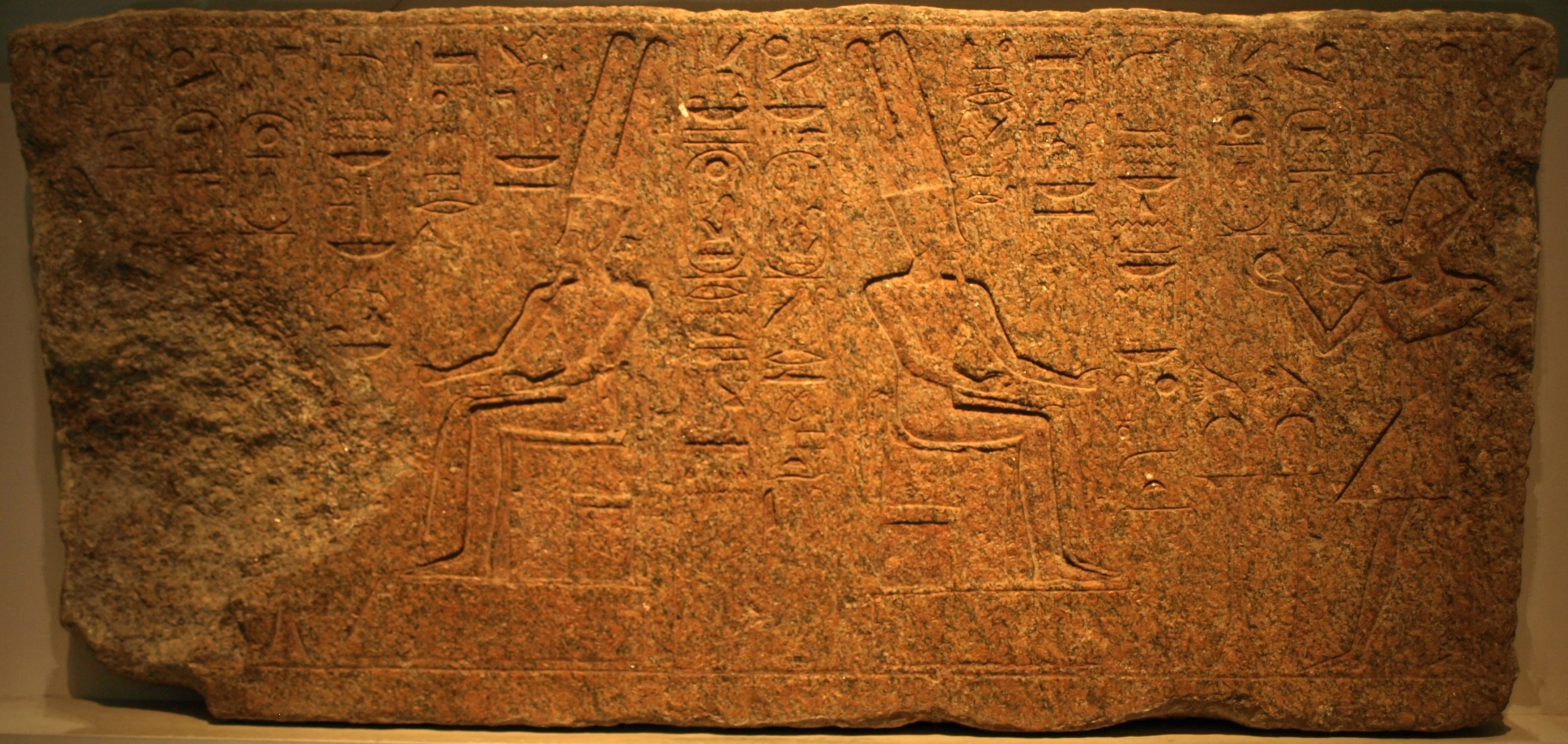
Bubastis
Ancient Egyptian city with Bastet temple

Leontopolis (Heliopolis)
Ancient city with fortifications and a temple.
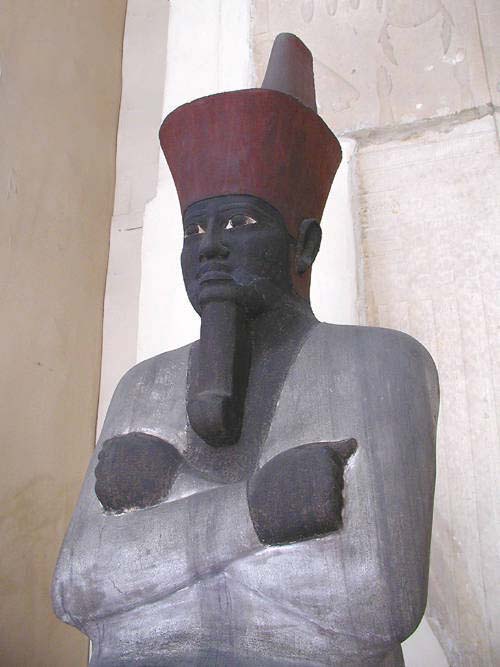
Thinis
Ancient Upper Egypt's undiscovered capital city.
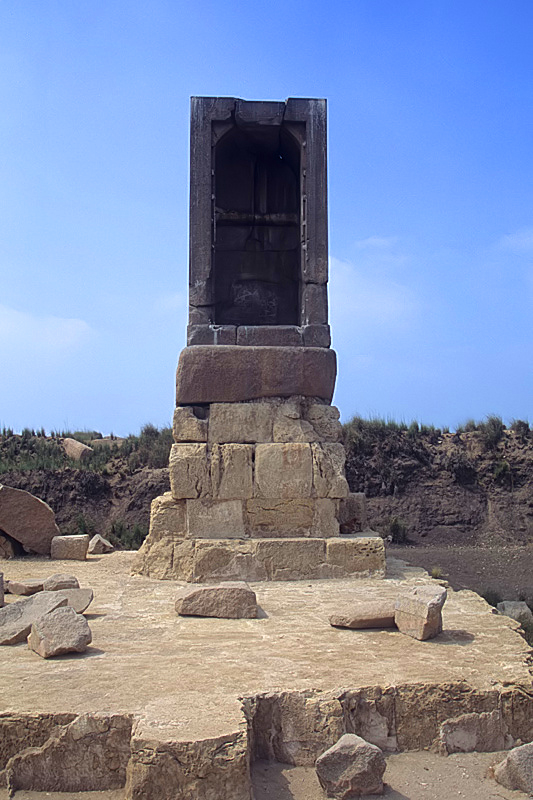
Mendes
Ancient city with significant religious structures.
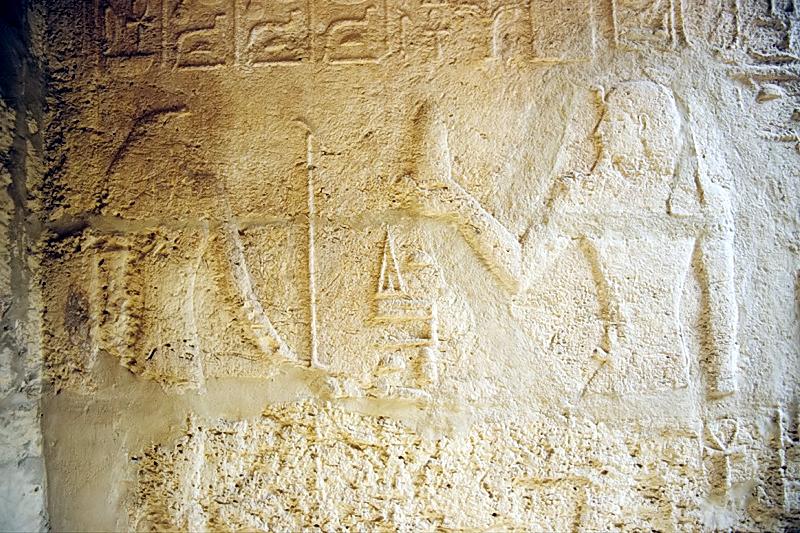
Medinet Madi
Greco-Roman town with Middle Kingdom temple
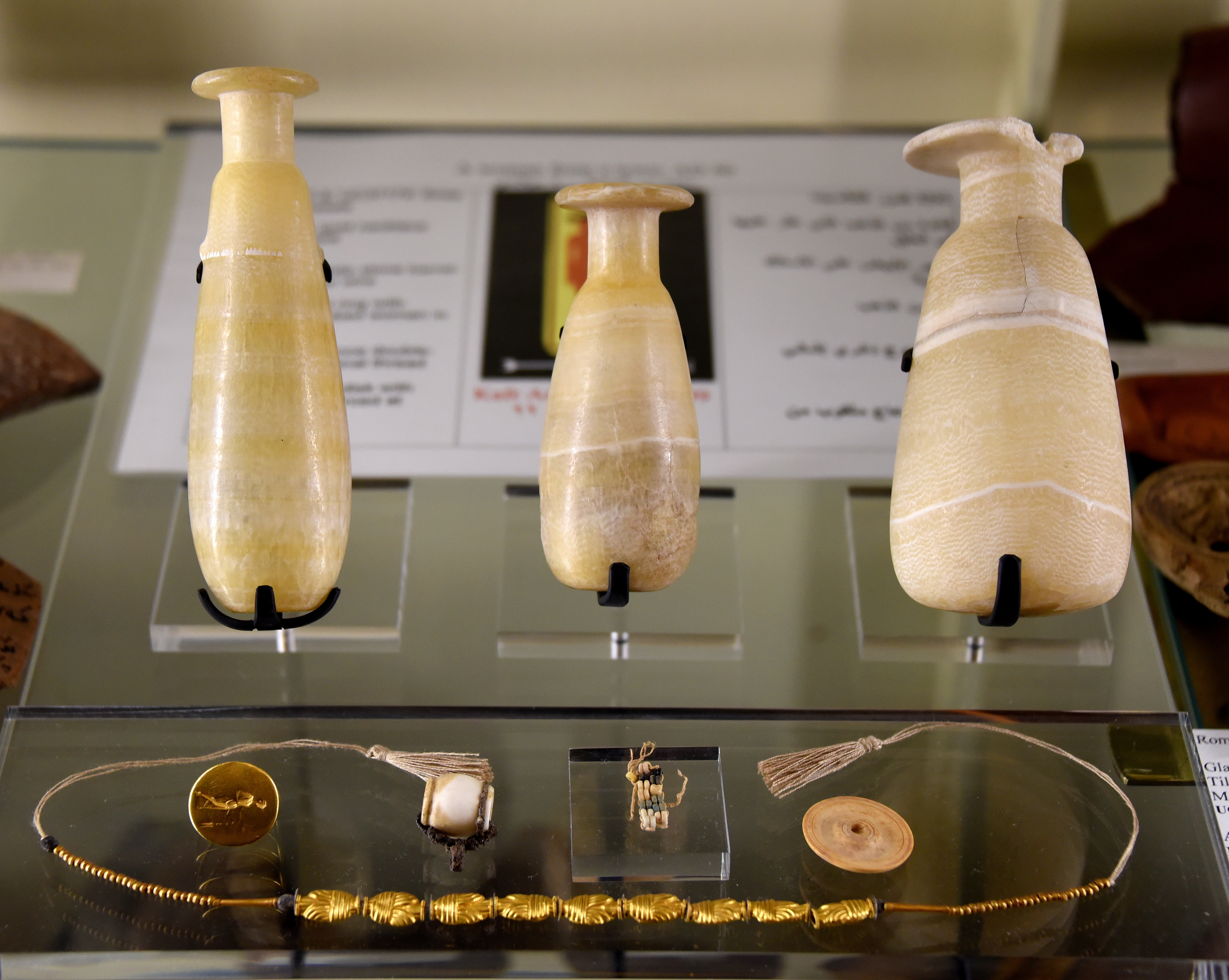
Tarkhan (Egypt)
Ancient Egyptian necropolis with mastabas and tombs.