Explore the Map
Dungur
14.1267° N, 38.7067° E
About
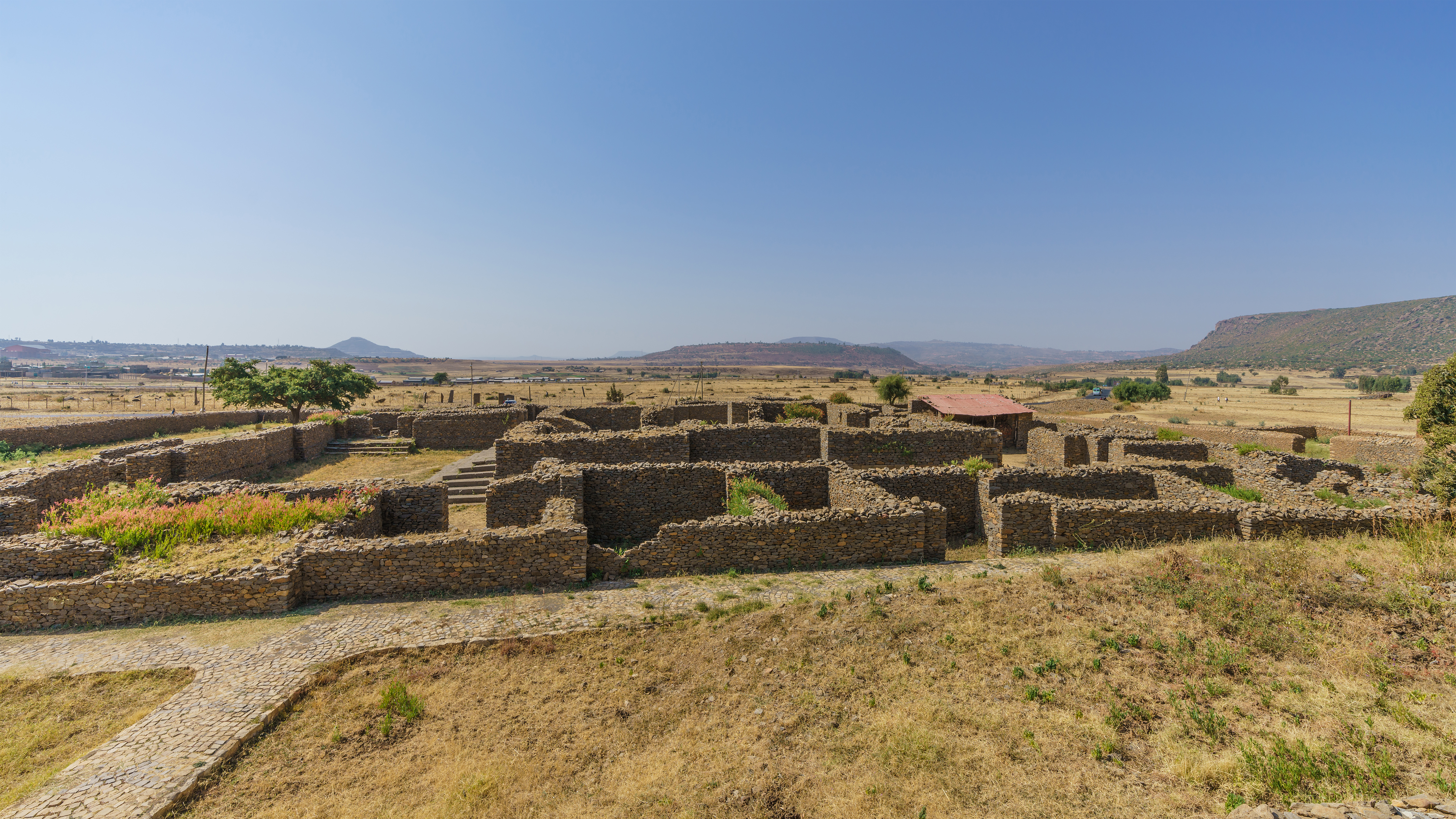
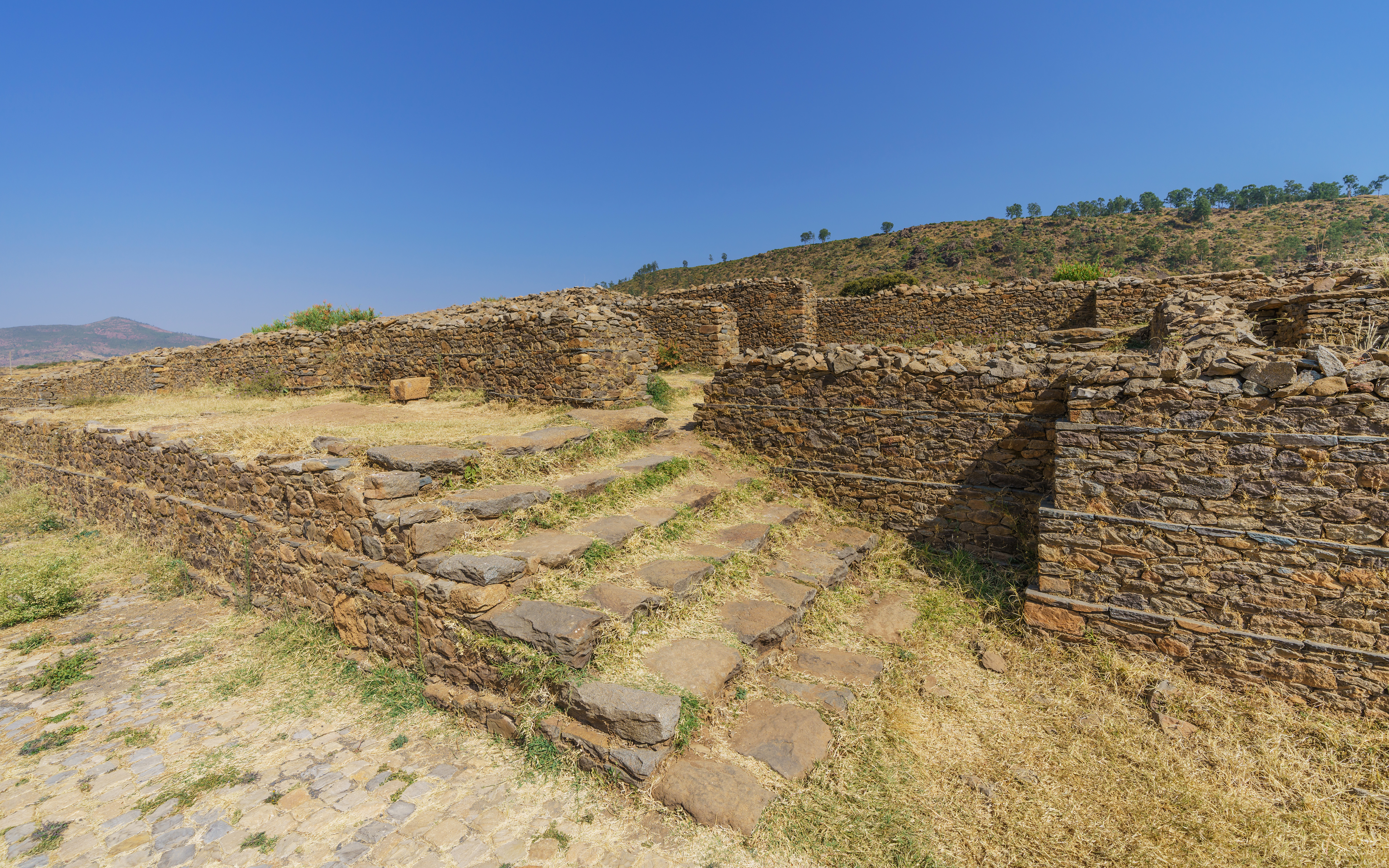
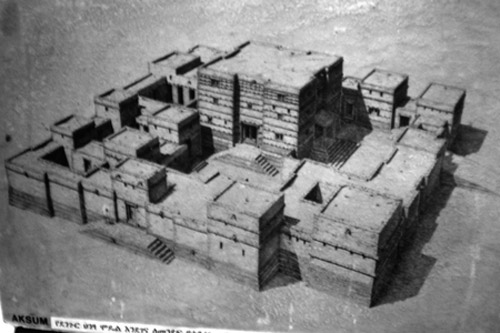
The Dungur site in Aksum, Ethiopia, comprises the substantial remains of a mansion, often referred to as the Palace of the Queen of Sheba. Architecturally, the site features foundational structures made of stone, with the remnants of a double staircase and courtyards that suggest a grand design typical of elite Axumite residences. The mansion covers approximately 3,250 square meters, with additional buildings that may have included support for wooden columns or floors. Archaeological excavations led by Francis Anfray revealed that the mansion dates back to the 7th century CE, showcasing masonry similar to other significant Axumite constructions. The site's significance lies in its representation of the Axumite architectural style and its cultural association with legendary figures such as the Queen of Sheba.
Gallery
Explore photographs of ancient structures, artifacts, and archaeological excavations
Historical Timeline
Journey through time and discover key events in this site's history
Construction of Dungur Mansion
600 CE
Archaeological Features
Unique architectural and cultural elements found at this historical site
Domestic and Habitation Structures
Frequently Asked Questions
Plan Your Visit
Tours, travel arrangements, and practical information
More Sites in Ethiopia
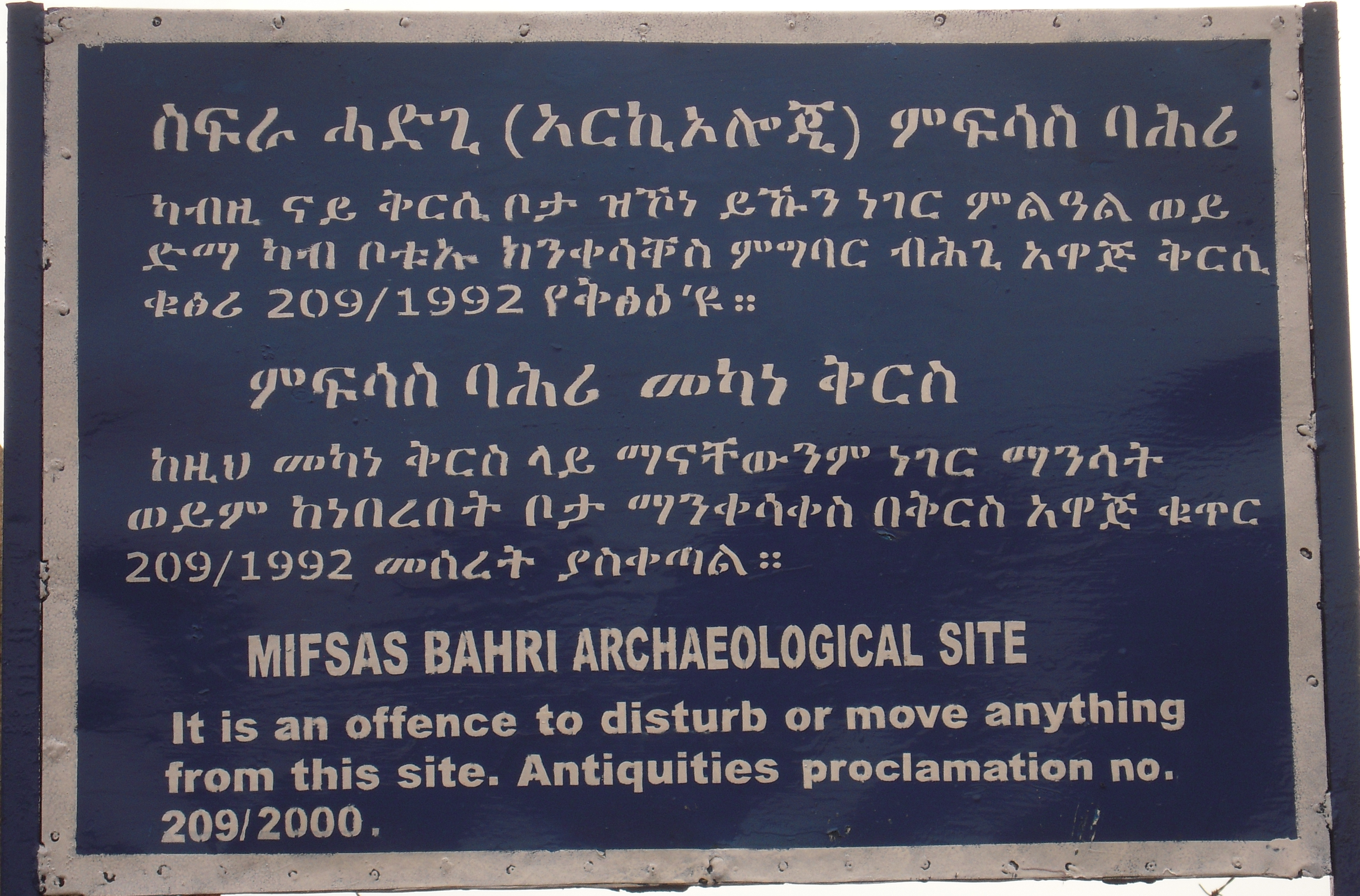
Mifsas Bahri
Highland site with substantial church ruins.
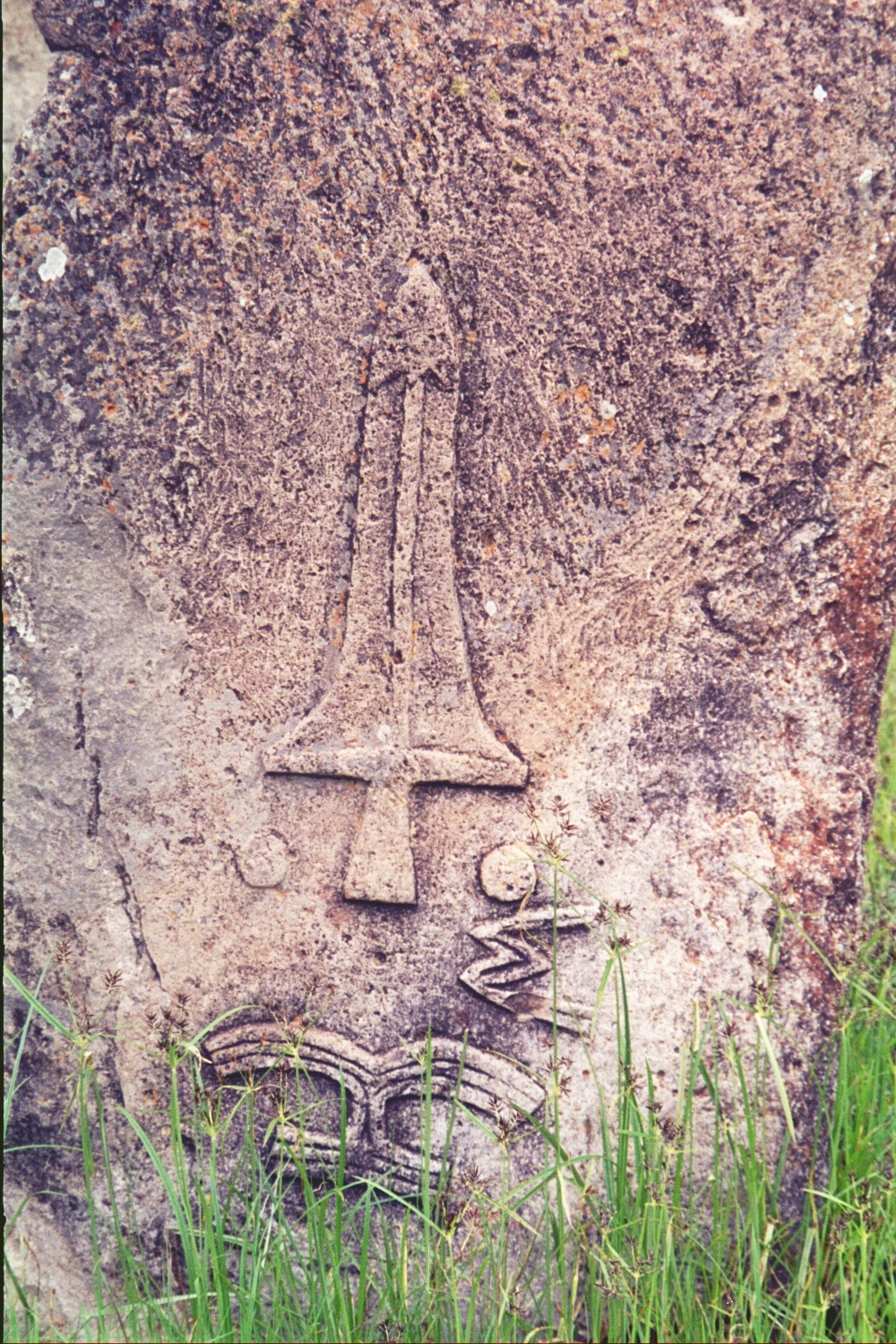
Tiya (archaeological site)
Monolithic stelae with engraved symbols
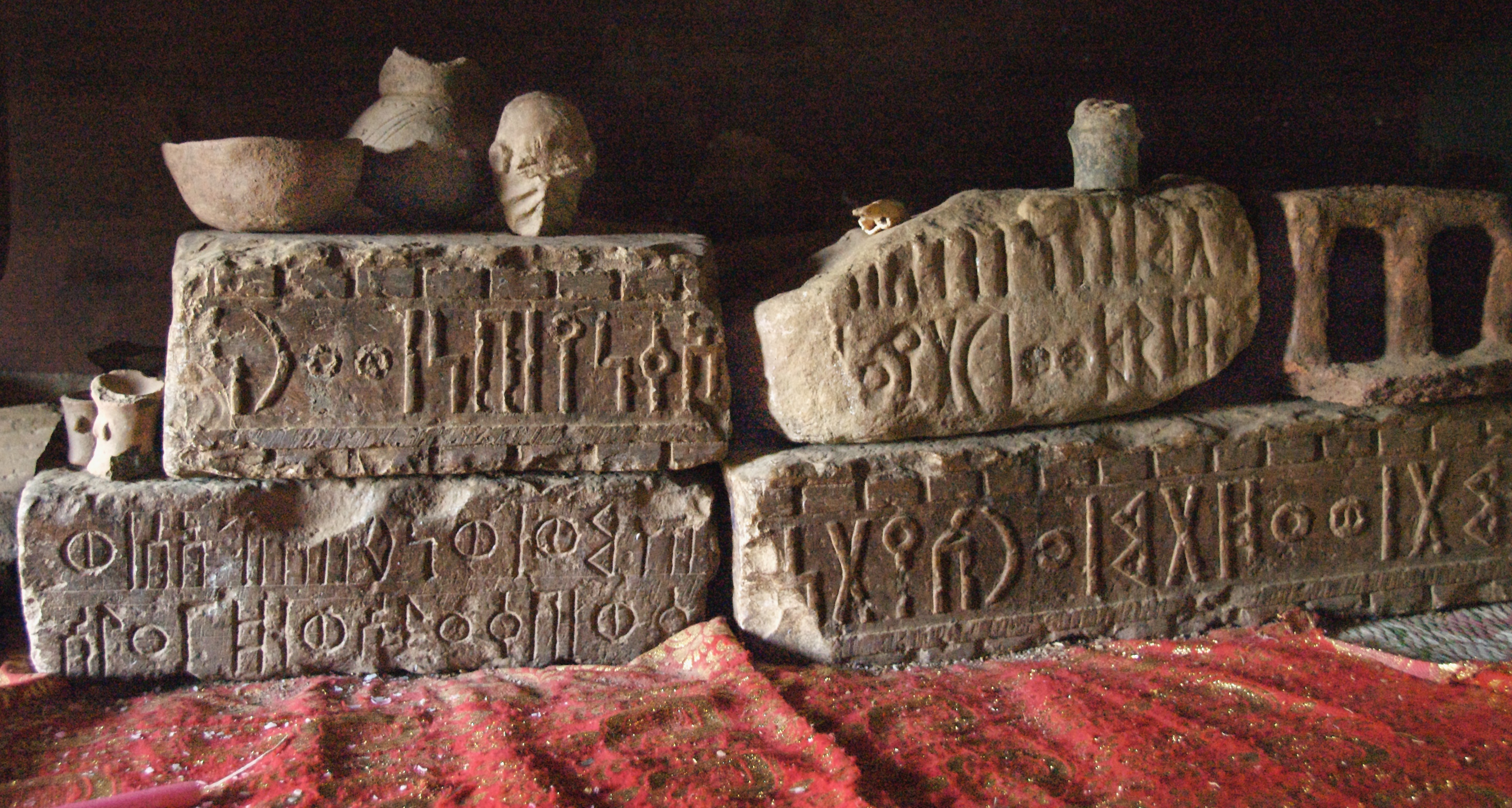
Yeha
Ancient Sabaean-style temple and royal tombs.
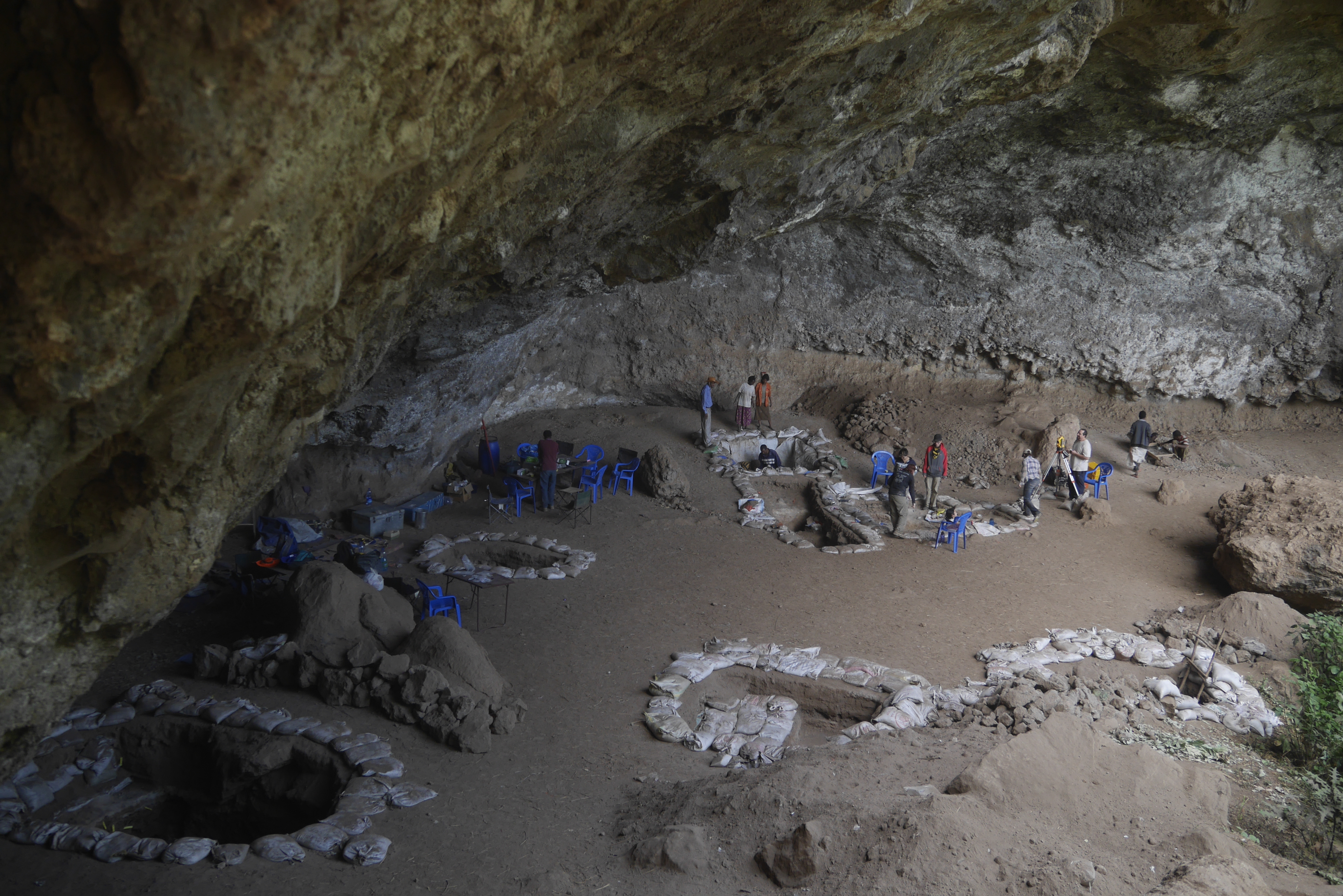
Mochena Borago
Rockshelter with Late Pleistocene deposits.
Dikika
Sedimentary site with hominin remains.
Rock-Hewn Churches, Lalibela
<p>The 11 medieval monolithic cave churches of this 13th-century 'New Jerusalem' are situated in a mountainous region in the heart of Ethiopia…