Explore the Map
Samothrace temple complex
40.5008° N, 25.5301° E
About
The Samothrace Temple Complex, known as the Sanctuary of the Great Gods (Modern Greek: Ιερό των Μεγάλων Θεών Ieró ton Megálon Theón), is one of the principal Pan-Hellenic religious sanctuaries, located on the island of Samothrace within the larger Thrace. Built immediately to the west of the ramparts of the city of Samothrace, it was nonetheless independent, as attested to by the dispatch of city ambassadors during festivals. It was celebrated throughout Ancient Greece for its Mystery religion. Numerous famous people were initiates, including the historian Herodotus, one of very few authors to have left behind a few clues to the nature of the mysteries, the Spartan leader Lysander, and numerous Athenians. The temple complex is mentioned by Plato and Aristophanes. During the Hellenistic period, after the investiture of Phillip II, it formed a Macedonian national sanctuary where the successors to Alexander the Great vied to outdo each other's munificence. It remained an important religious site throughout the Roman period. Hadrian visited, and Varro described the mysteries. The cult fades from history towards the end of Late Antiquity, when the temple would have been closed during the persecution of pagans in the late Roman Empire.
Historical Timeline
Journey through time and discover key events in this site's history
Greek colonisation
7th century BCE
Great altar enclosure
end of 4th century BCE
Dancer's Wall construction
4th century BCE
Theatre and Dionysian contest added
c. 200 BCE
Decline and closure
Hieron modifications and new rites
c. 200 CE
Archaeological Features
Unique architectural and cultural elements found at this historical site
Defensive Structures
Public and Civic Structures
Burial and Funerary Structures
Religious and Ritual Structures
Artistic and Decorative Features
Environmental and Natural Features
Food Production and Processing Features
Frequently Asked Questions
Plan Your Visit
Tours, travel arrangements, and practical information
More Sites in Greece
Dodona
Ancient Hellenic oracle in Epirus, northwestern Greece
Philippi
Roman and early-Christian city in Greek Macedonia
Lower Larymna
Ruins of ancient Boeotian port city
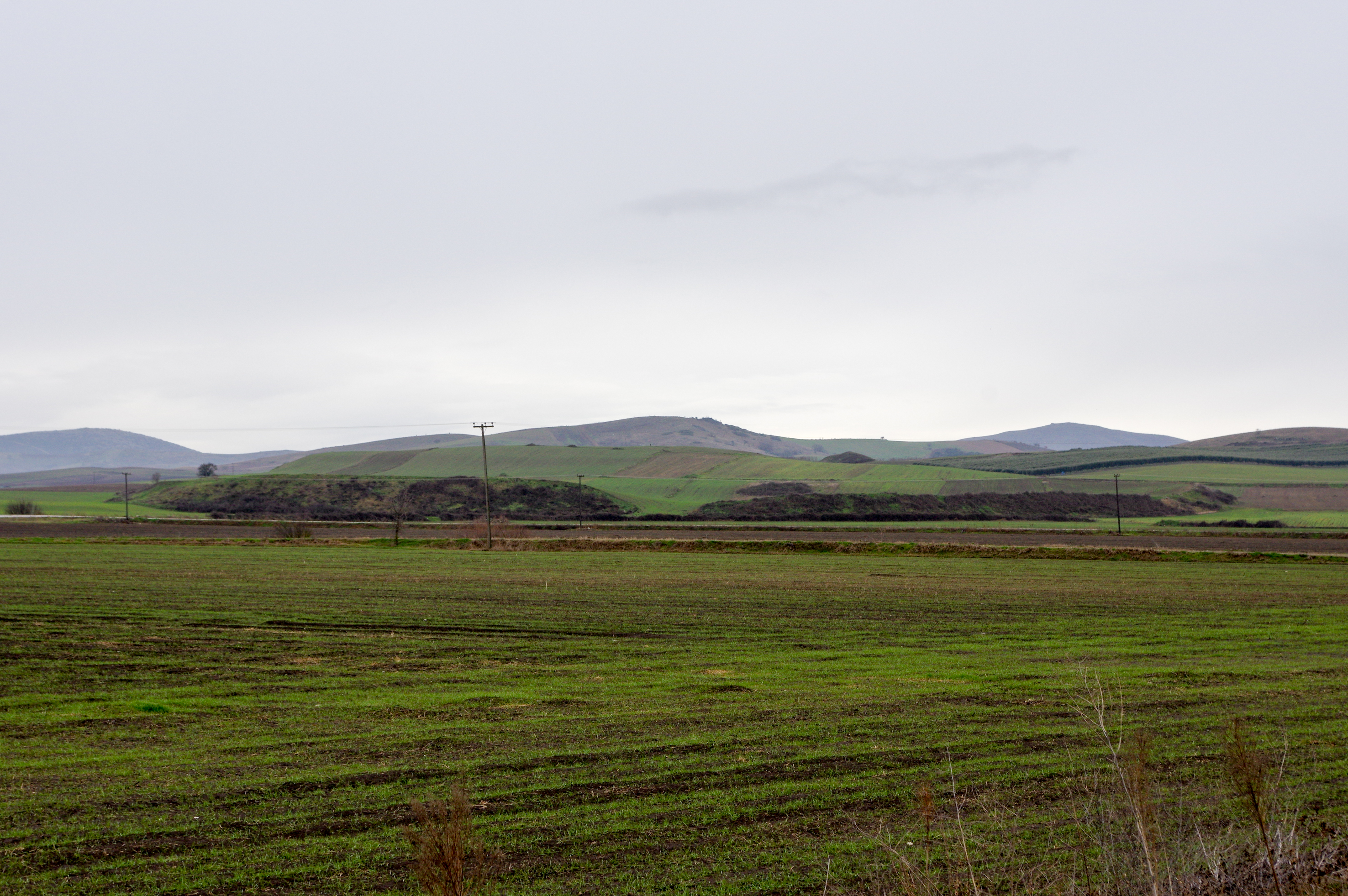
Cranon
Ancient fortified city in Thessaly, Greece.
Nicopolis
Roman city and monumental complex, 1st century BC
Lappa (Crete)
Ancient Greek city in Crete