Explore the Map
The Settlement Exhibition
64.1475° N, -21.9428° E
About
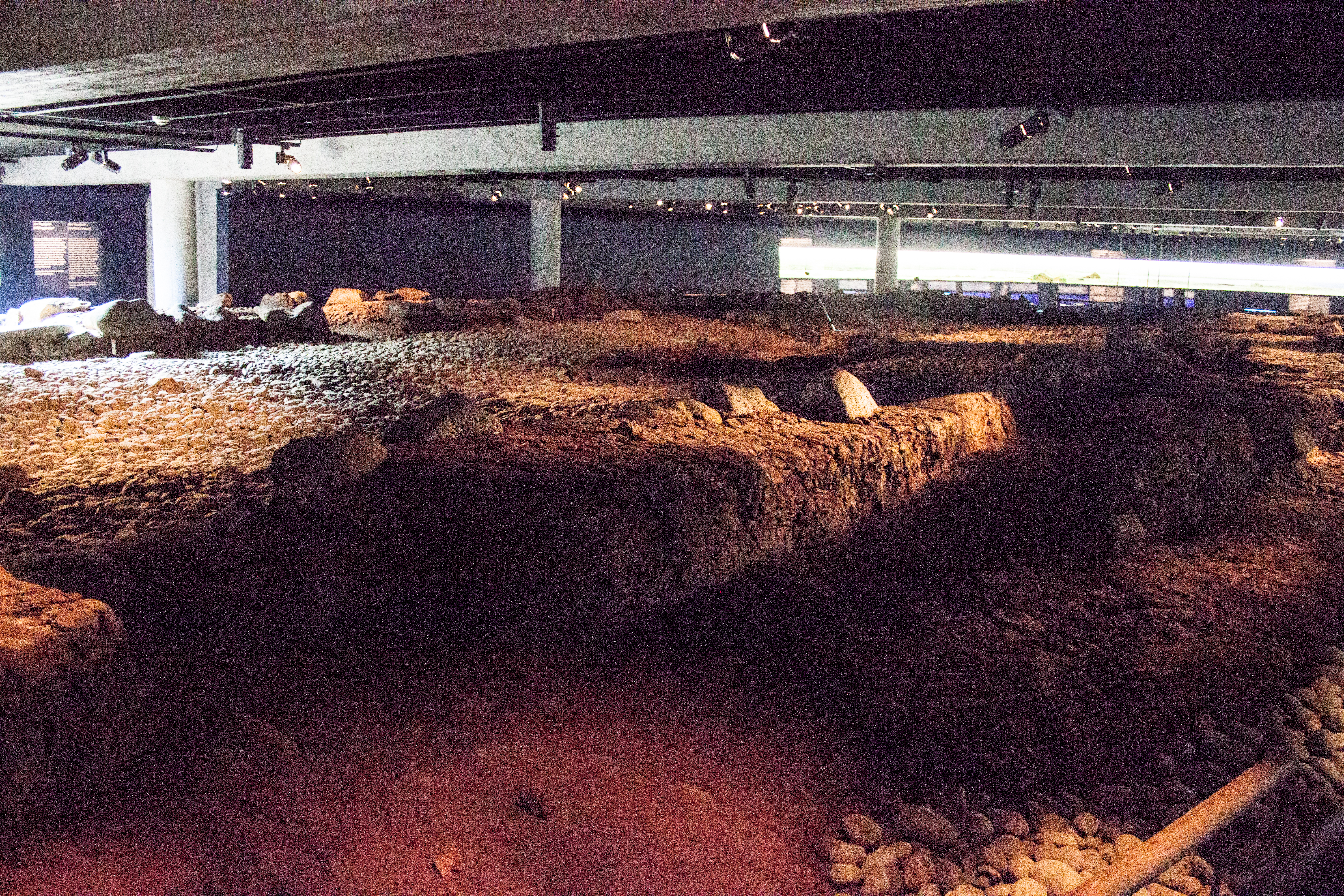
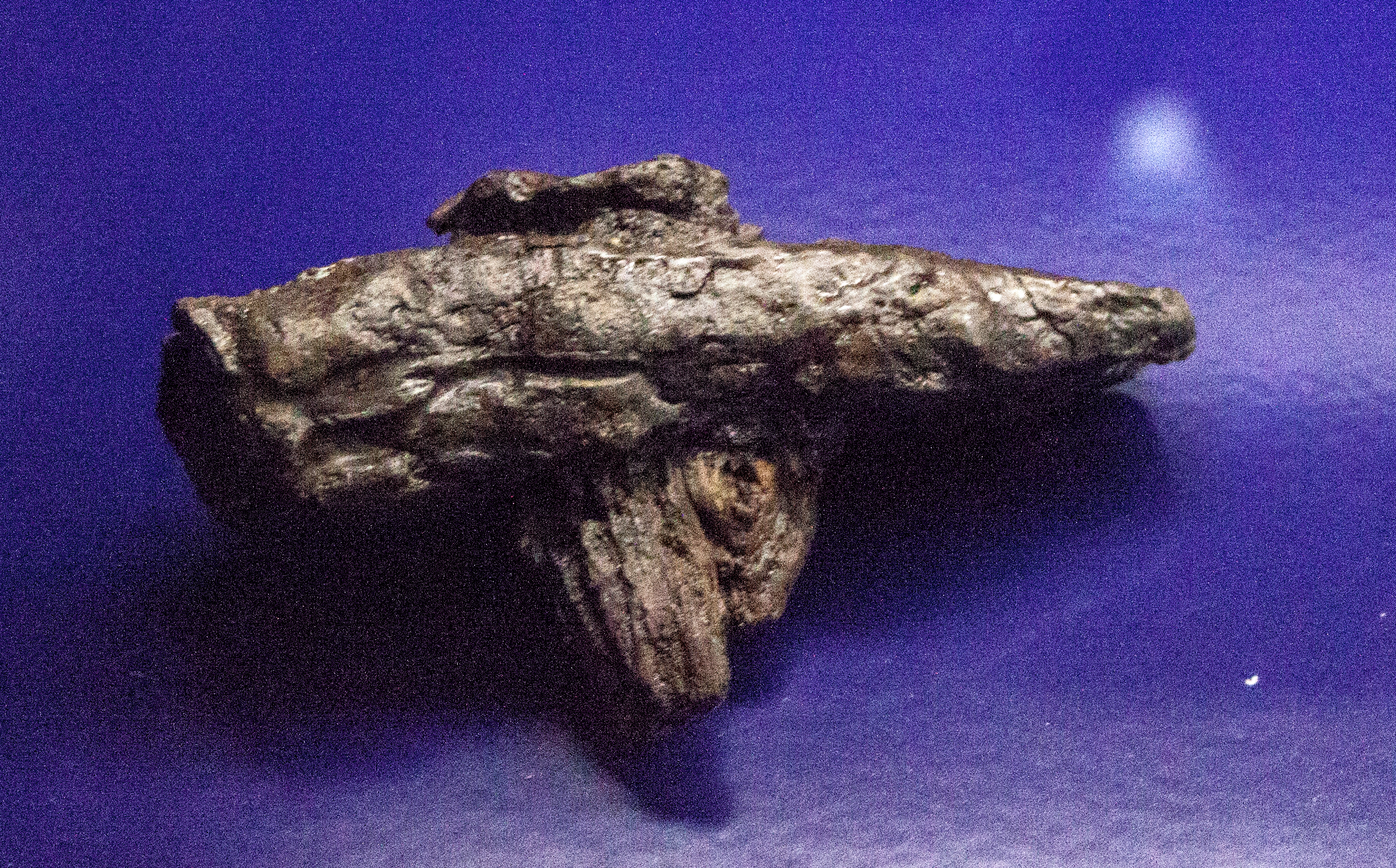
The Settlement Exhibition Reykjavík 871±2 (Icelandic: Landnámssýningin) is an exhibition on the settlement of Reykjavík, Iceland, created by the Reykjavik City Museum. The exhibition is based on the archaeological excavation of the ruin of one of the first houses in Iceland and findings from other excavations in the city centre. The exhibition is located in 101 Reykjavík, on Aðalstræti 16, on the corner of Aðalstræti and Suðurgata. The focus of the exhibition is the remains of a hall from the Settlement Age which was excavated in 2001. The hall was inhabited from c. 930–1000. North of the hall are two pieces of turf, remnants of a wall which was clearly built before 871±2, hence the name of the exhibition. Such precise data dating is possible because a major volcanic eruption from the Torfajökull area spread tephra across the region and this can be dated via glacial ice in Greenland. The hall is among the oldest human-made structures so far found in Iceland. Also on display are objects from the Viking Age found in central Reykjavík and the island of Viðey. The exhibition is held by the City of Reykjavík and run by the Reykjavík City Museum.
Gallery
Explore photographs of ancient structures, artifacts, and archaeological excavations
Historical Timeline
Journey through time and discover key events in this site's history
Preliminary work and contract
summer–autumn 2000
Torfajökull tephra deposit
c. 871 AD (±2 years)
Hall inhabited
c. 930–1000
Earlier central Reykjavík excavations
1971–75
Vídey excavations
1986–1994
Major excavation that revealed the hall
2001
Construction of the exhibition building began
autumn 2003
Archaeological Features
Unique architectural and cultural elements found at this historical site
Domestic and Habitation Structures
Environmental and Natural Features
Food Production and Processing Features
Frequently Asked Questions
Plan Your Visit
Tours, travel arrangements, and practical information