Explore the Map
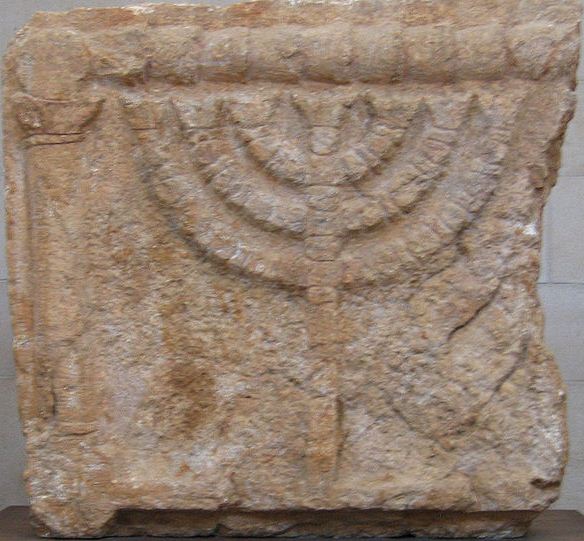
Nabratein synagogue
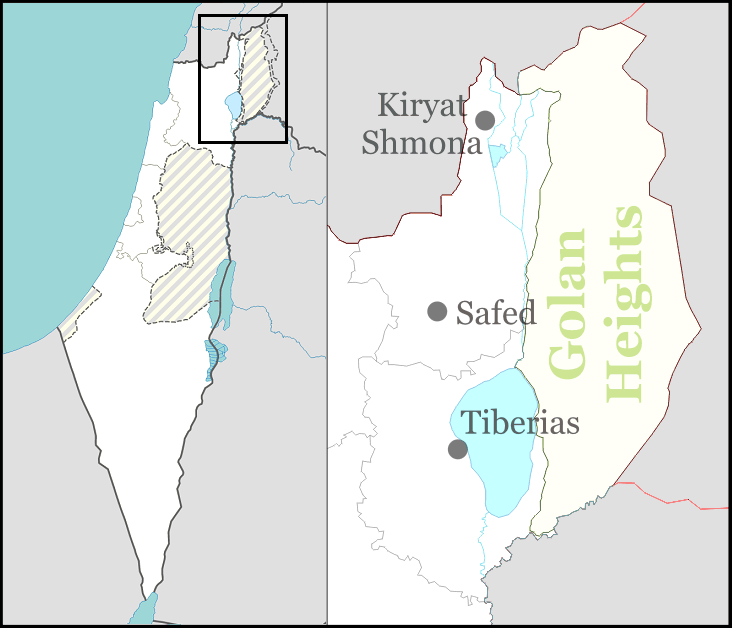
32.9919° N, 35.5167° E
About
The Nabratein synagogue, located in the Upper Galilee region of Israel, represents a significant archaeological site with a rich history spanning multiple phases of construction and reconstruction. Initially built during the Middle Roman period, the synagogue underwent renovations and expansions in the Late Roman period before being destroyed by the Galilee earthquake in 363 CE. A final, more substantial structure was erected in the late 6th century, as evidenced by an inscription detailing its construction date. This synagogue stands out for its artistic and decorative features, notably inscriptions, which have influenced modern synagogue architecture. The site offers critical insights into the religious and cultural dynamics of ancient Jewish communities in the Galilee region.
Gallery
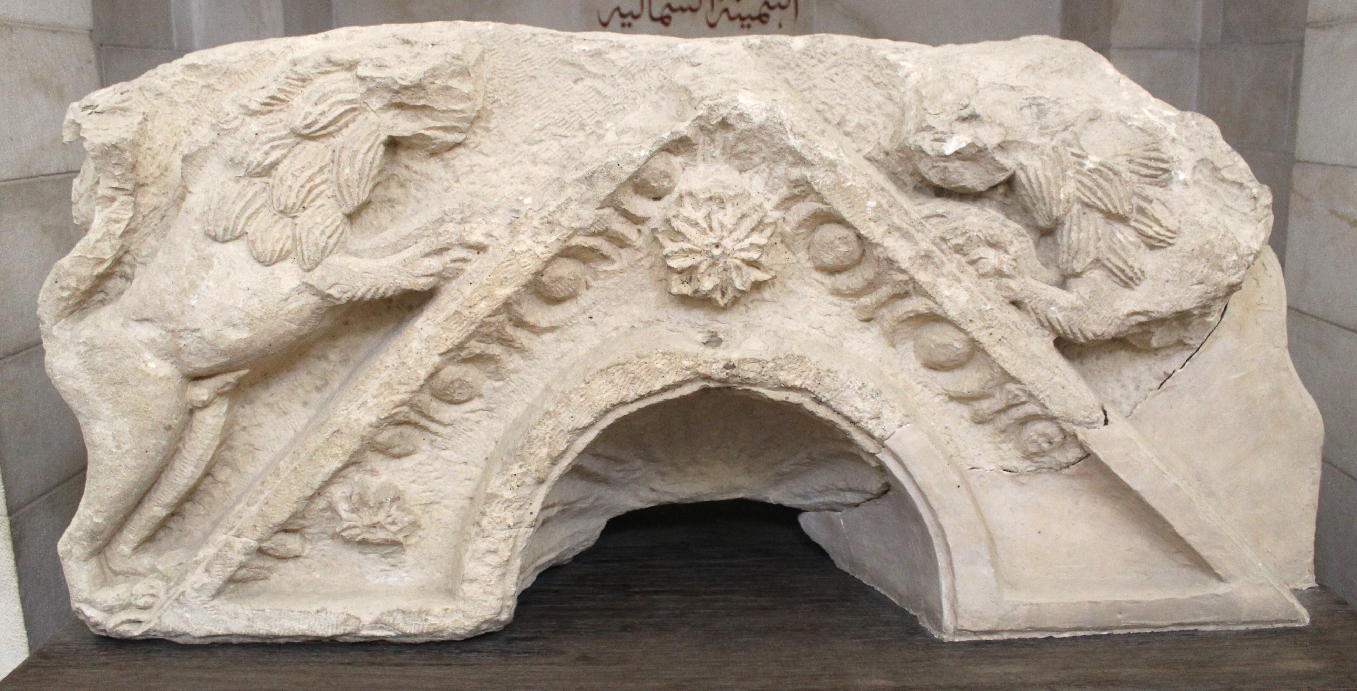
Explore photographs of ancient structures, artifacts, and archaeological excavations
Historical Timeline
Journey through time and discover key events in this site's history
Middle Roman synagogue construction
135 CE - 250 CE
Late Roman synagogue reconstruction
250 CE - 306 CE
Late Roman synagogue expansion
306 CE - 350/363 CE
Galilee earthquake destruction
363 CE
Late Byzantine synagogue construction
564 CE
End of synagogue use
640 CE
Archaeological Features
Unique architectural and cultural elements found at this historical site
Religious and Ritual Structures
Artistic and Decorative Features
Frequently Asked Questions
Plan Your Visit
Tours, travel arrangements, and practical information
Recommended Tours

More Sites in Israel
Tell Qasile
Philistine port city with temples and houses
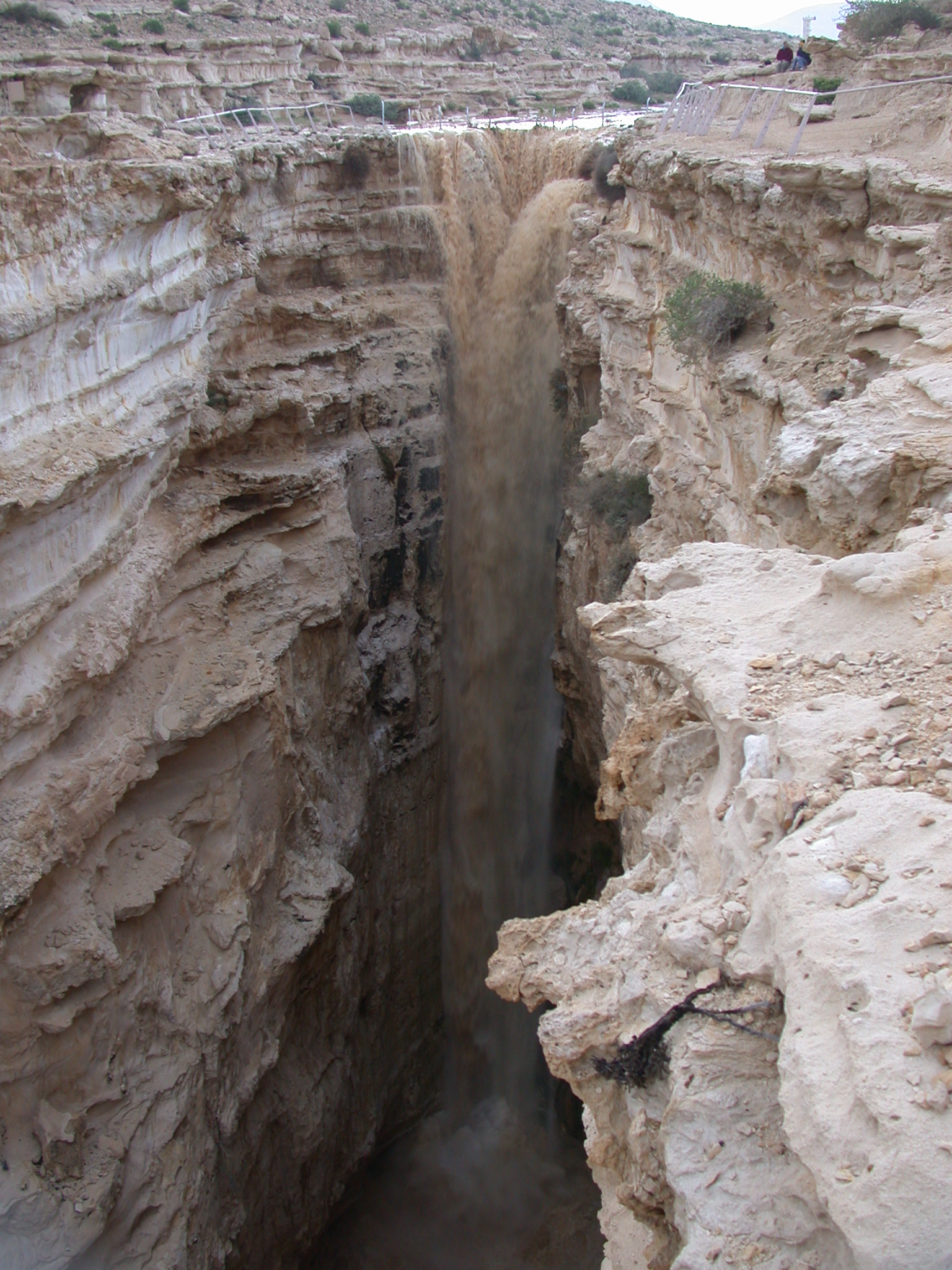
Ein Avdat
Desert canyon with springs and ancient habitations.
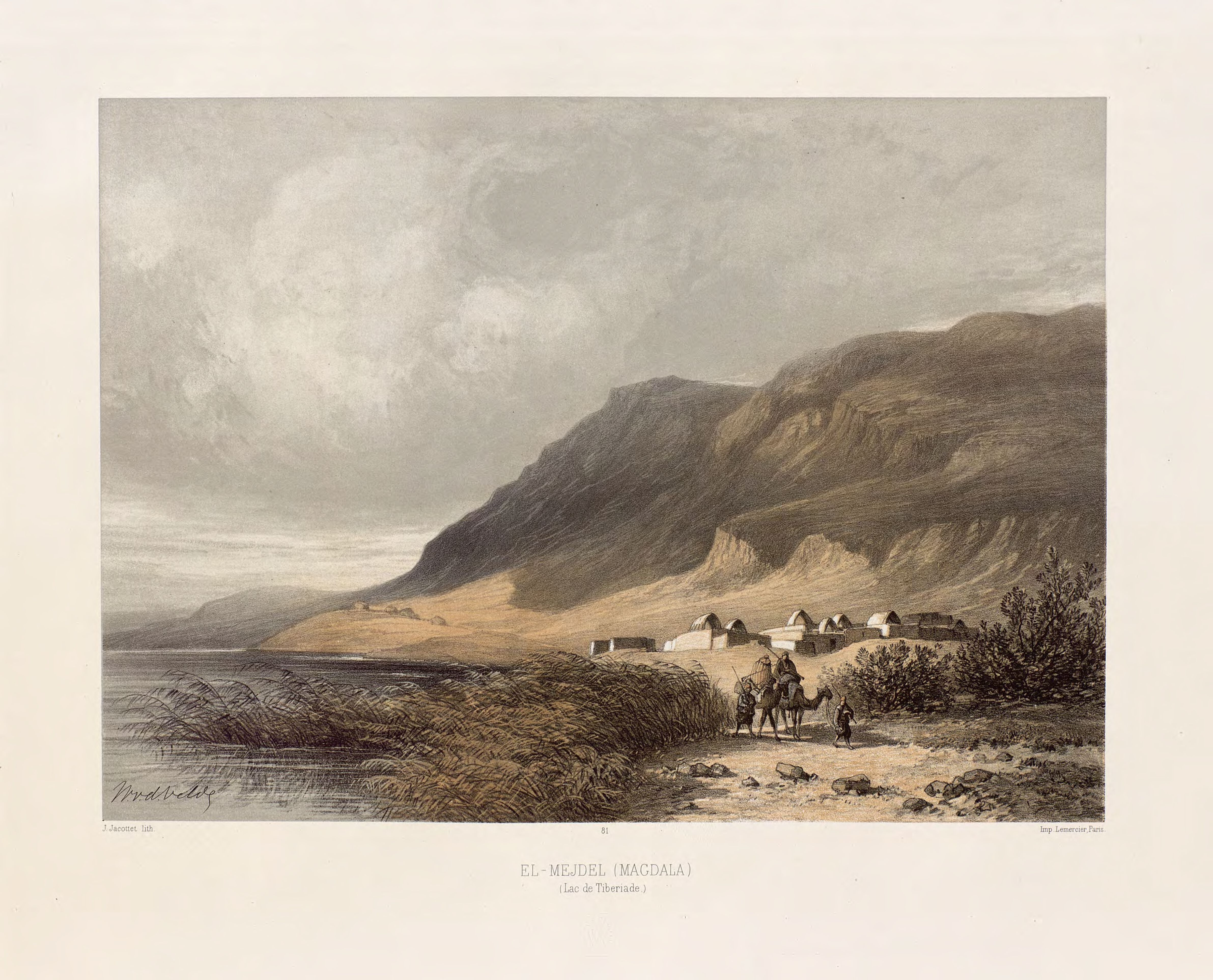
Magdala
Ancient Jewish city with Roman synagogues

Tel Tanninim
Ancient tell near Mediterranean with Byzantine remains
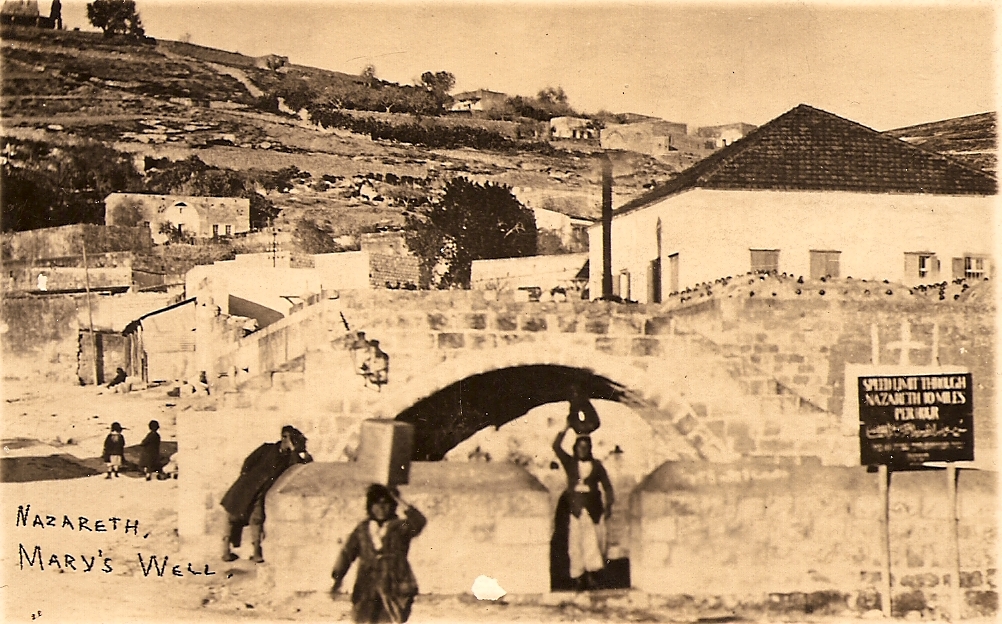
Mary's Well
Ancient water supply with religious significance
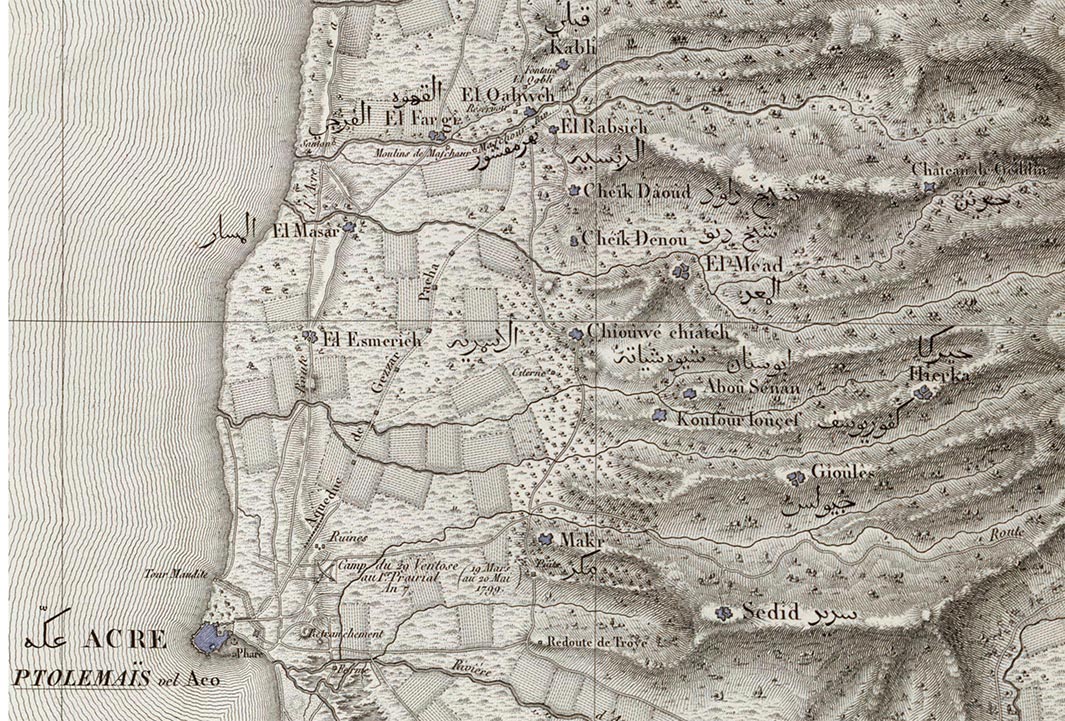
Tel Kabri
Bronze Age Canaanite palace and settlement