
Explore the Map
Masada
31.3156° N, 35.3539° E
About
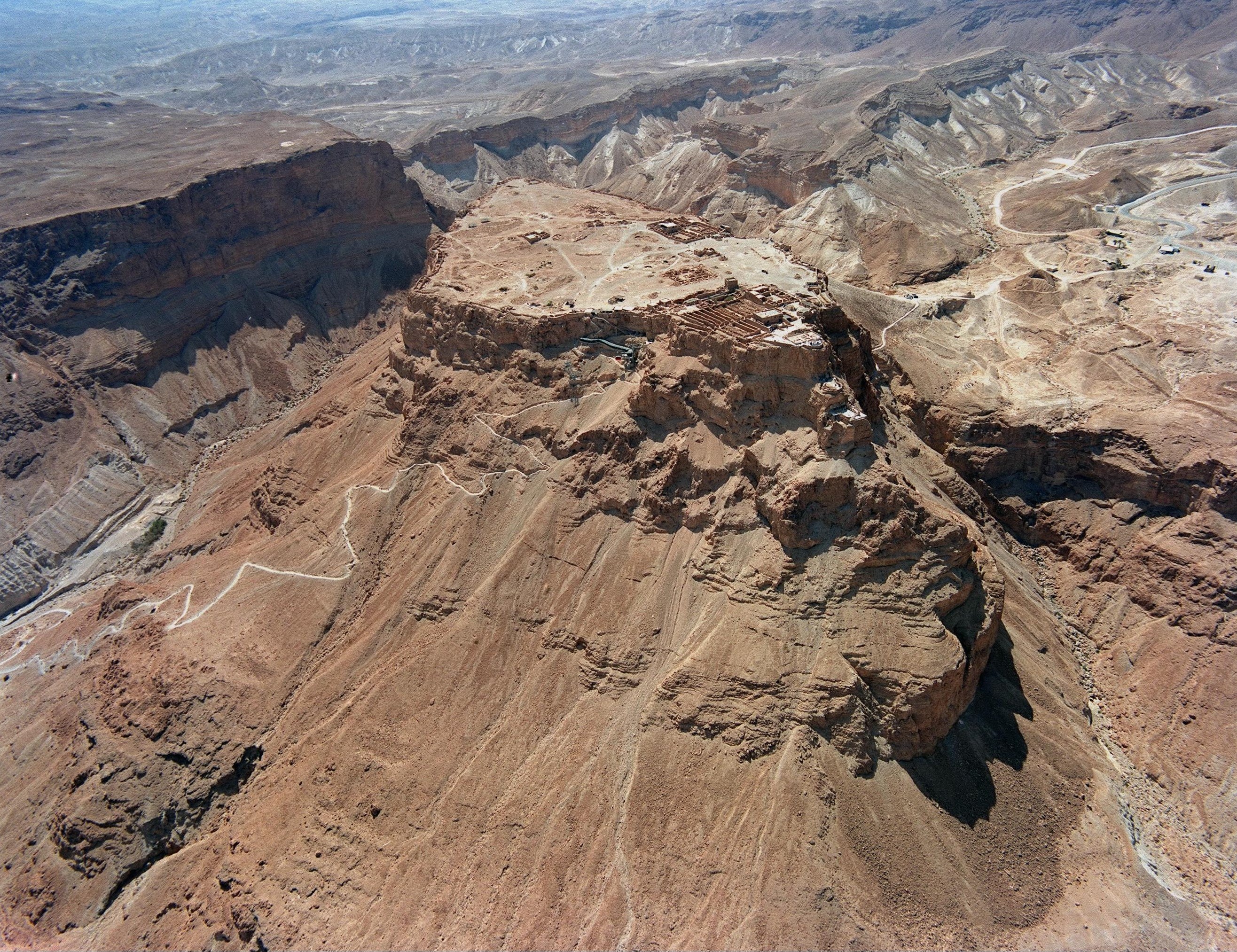
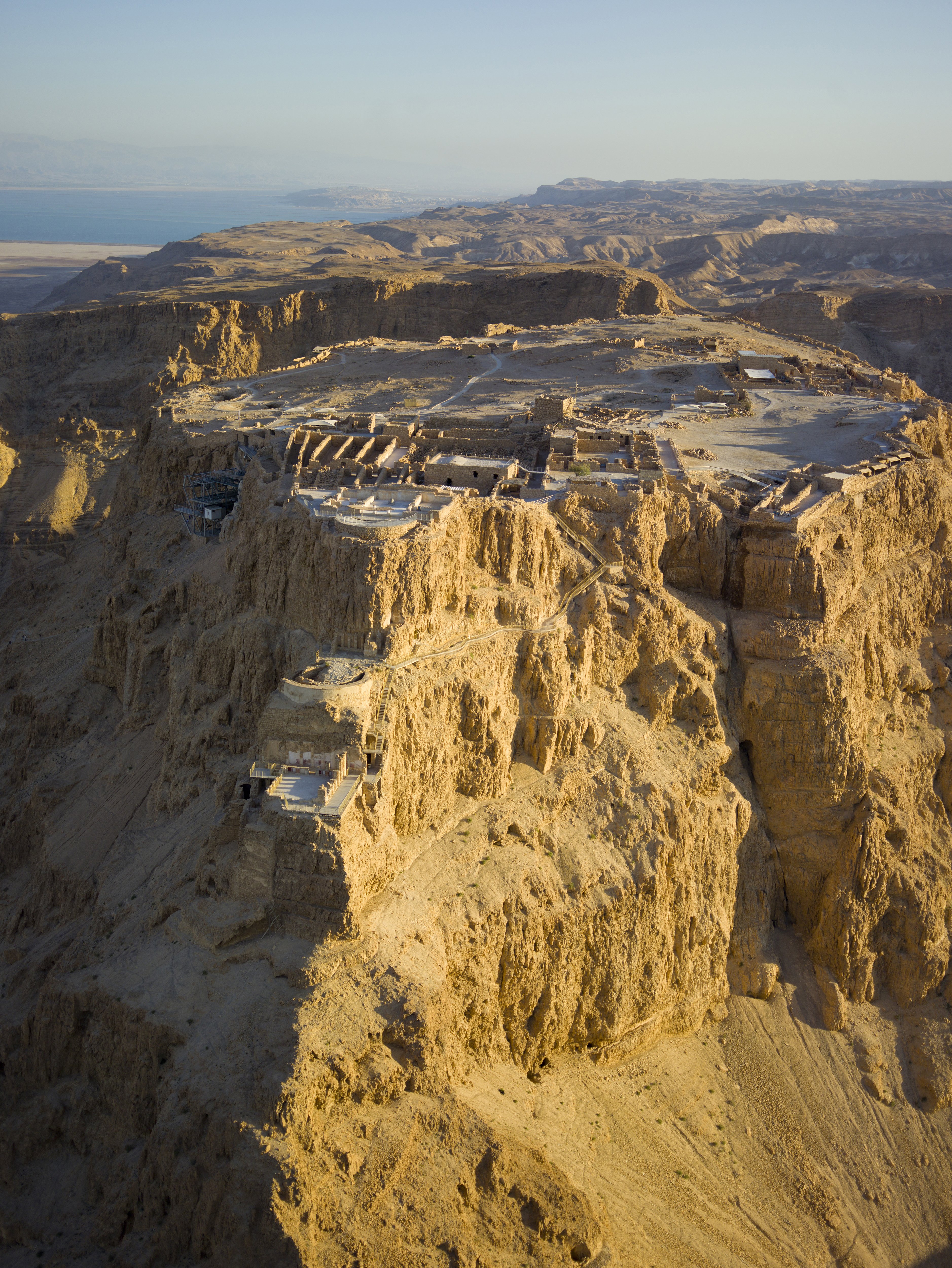
Masada is an ancient archaeological site located atop an isolated plateau in southern Israel, overlooking the Dead Sea. Initially fortified by the Hasmonean ruler Alexander Jannaeus in the 1st century BCE and later expanded by Herod the Great, it served as a fortress-palace complex. The site is renowned for its role in the First Jewish-Roman War when Jewish rebels, known as the Sicarii, made their last stand against Roman forces, culminating in a dramatic and controversial mass suicide in 73 CE. Archaeological excavations have revealed Herodian palaces, Roman siege works, and Byzantine church remains, showcasing its historical significance across multiple periods. Today, Masada remains a symbol of Jewish resistance and is a UNESCO World Heritage Site.
Gallery
Explore photographs of ancient structures, artifacts, and archaeological excavations
Historical Timeline
Journey through time and discover key events in this site's history
Hasmonean Fortress
1st century BCE
Byzantine Monastery
5th-6th century CE
Herodian Construction
37-31 BCE
First Jewish-Roman War
66 CE
Roman Siege
73-74 CE
Archaeological Features
Unique architectural and cultural elements found at this historical site
Defensive Structures
Military Installations
Miscellaneous Features
Water Management Features
Burial and Funerary Structures
Religious and Ritual Structures
Artistic and Decorative Features
Domestic and Habitation Structures
Frequently Asked Questions
Plan Your Visit
Tours, travel arrangements, and practical information

More Sites in Israel
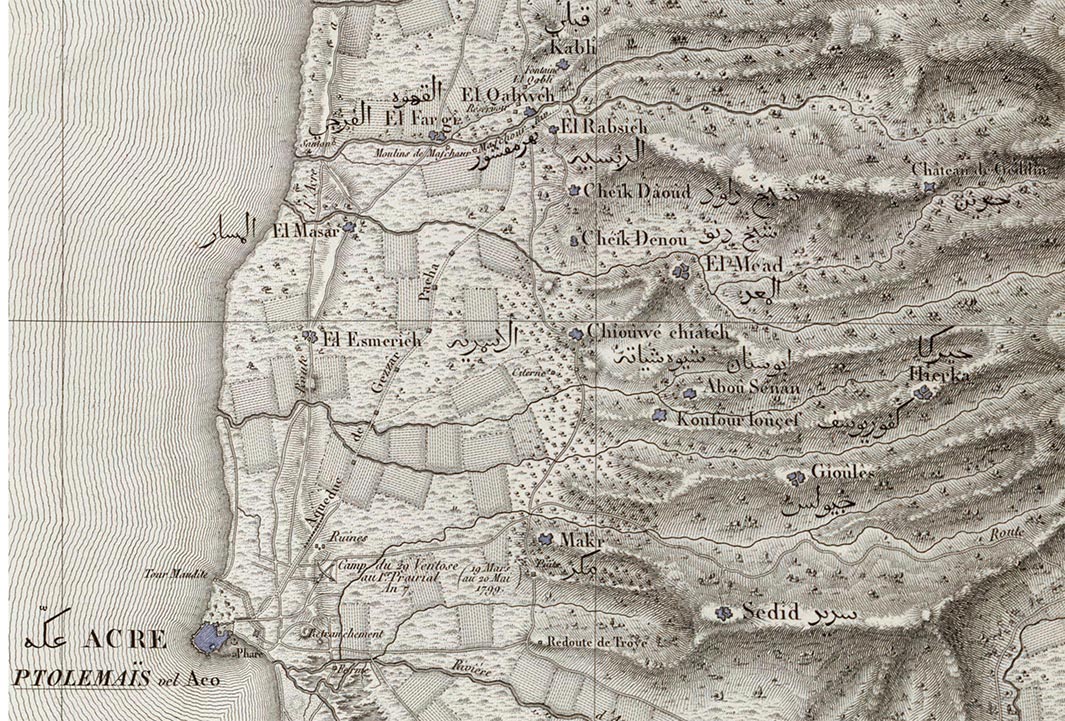
Tel Kabri
Bronze Age Canaanite palace and settlement
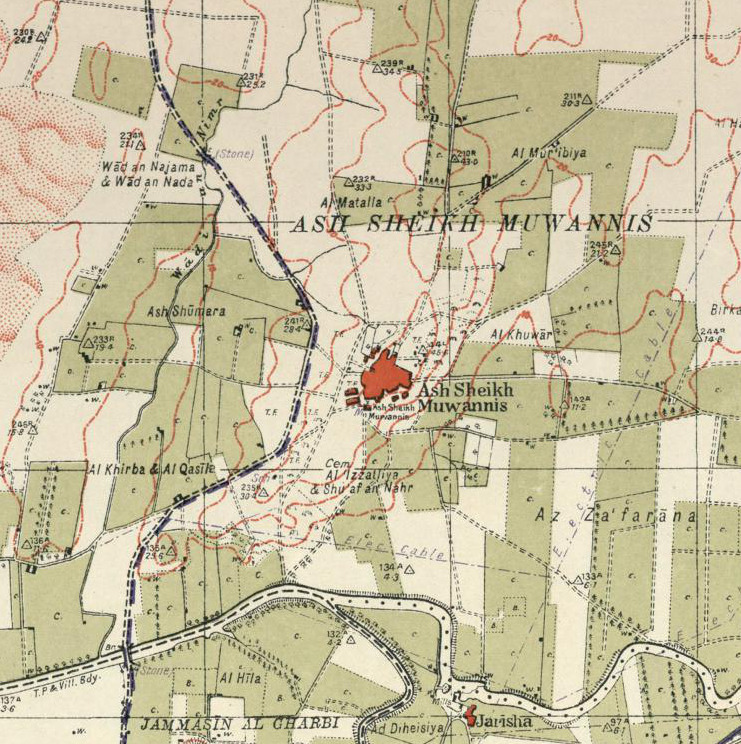
Tell Qasile
Philistine port city with temples and houses
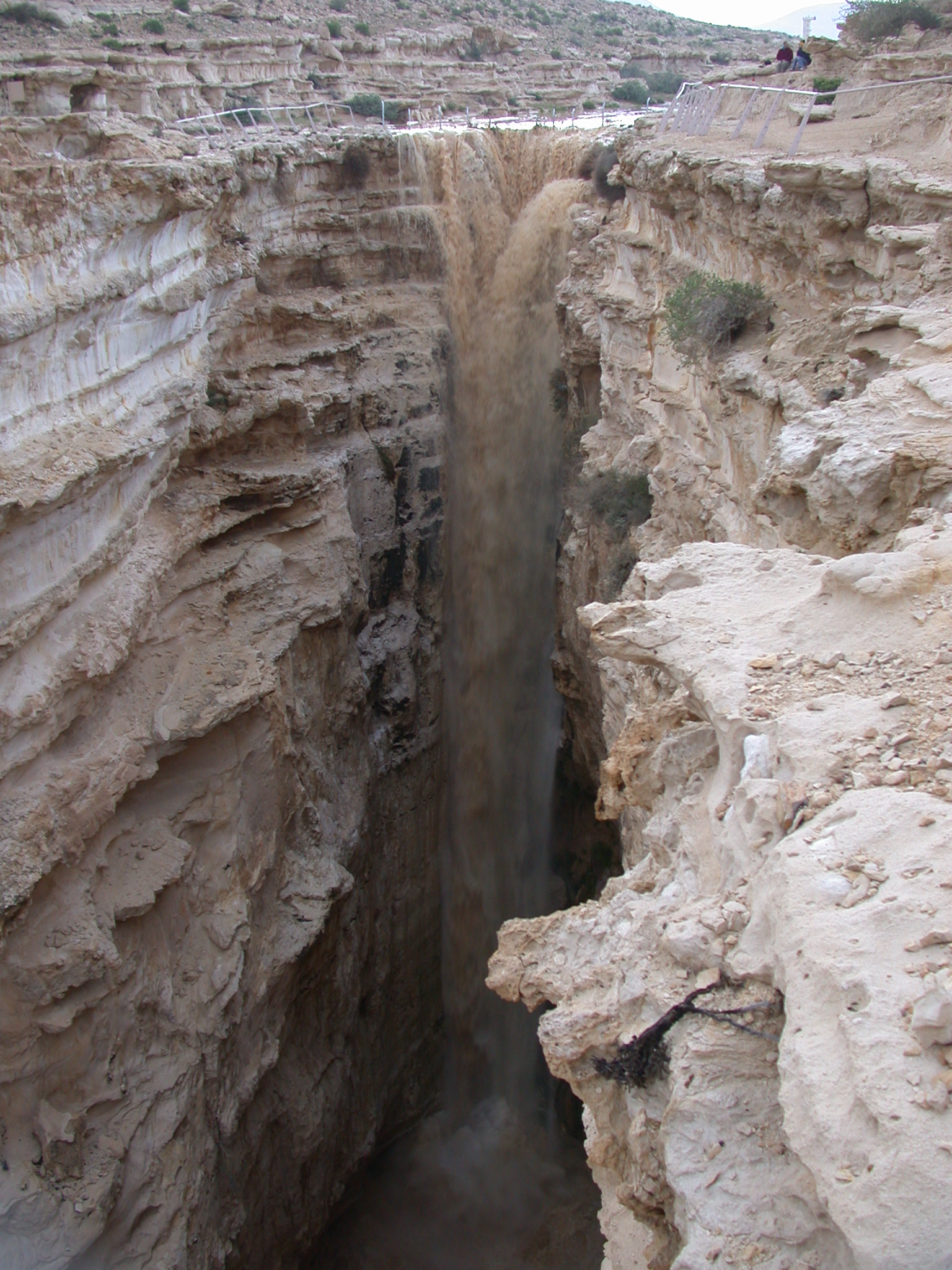
Ein Avdat
Desert canyon with springs and ancient habitations.
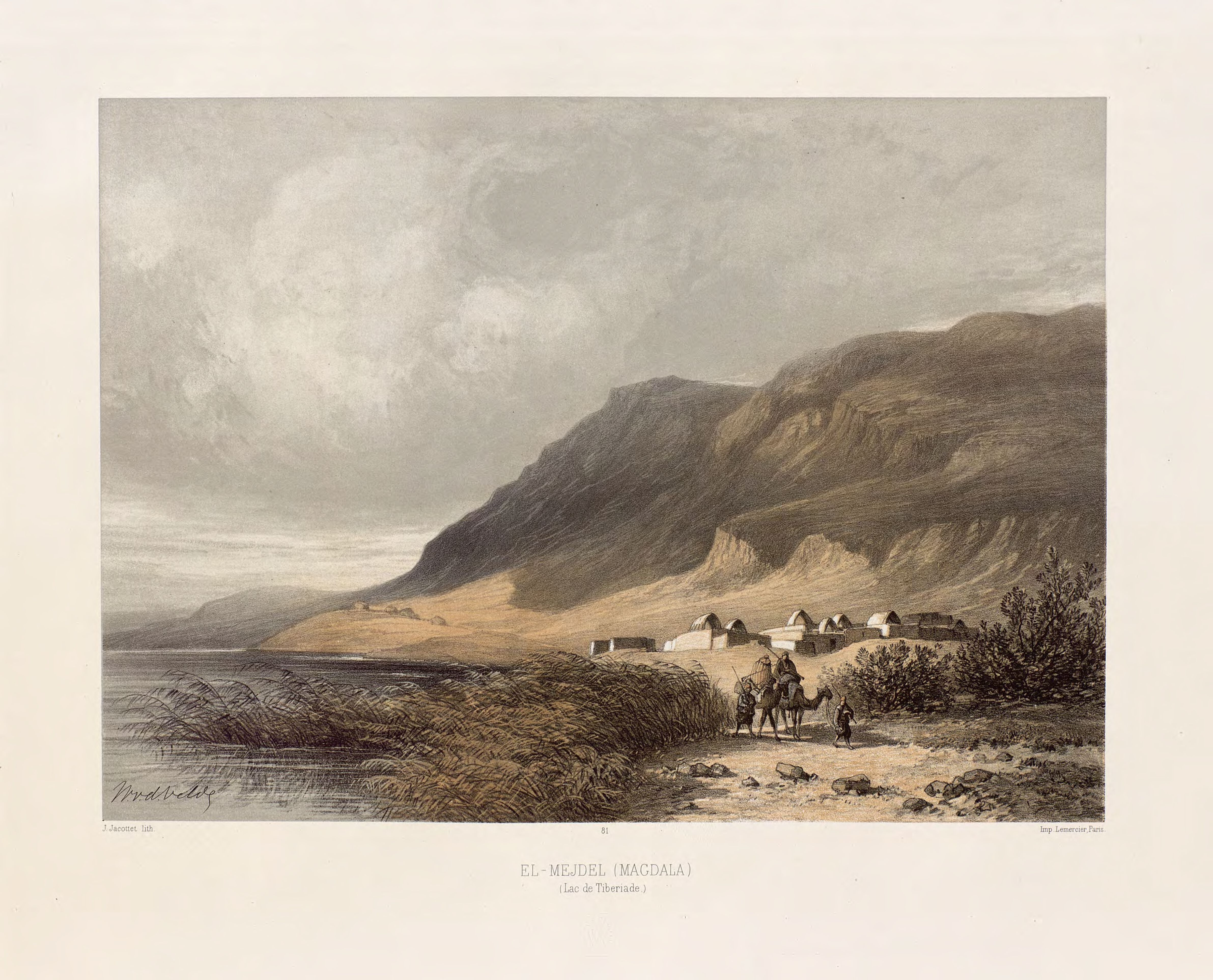
Magdala
Ancient Jewish city with Roman synagogues
Tel Tanninim
Ancient tell near Mediterranean with Byzantine remains
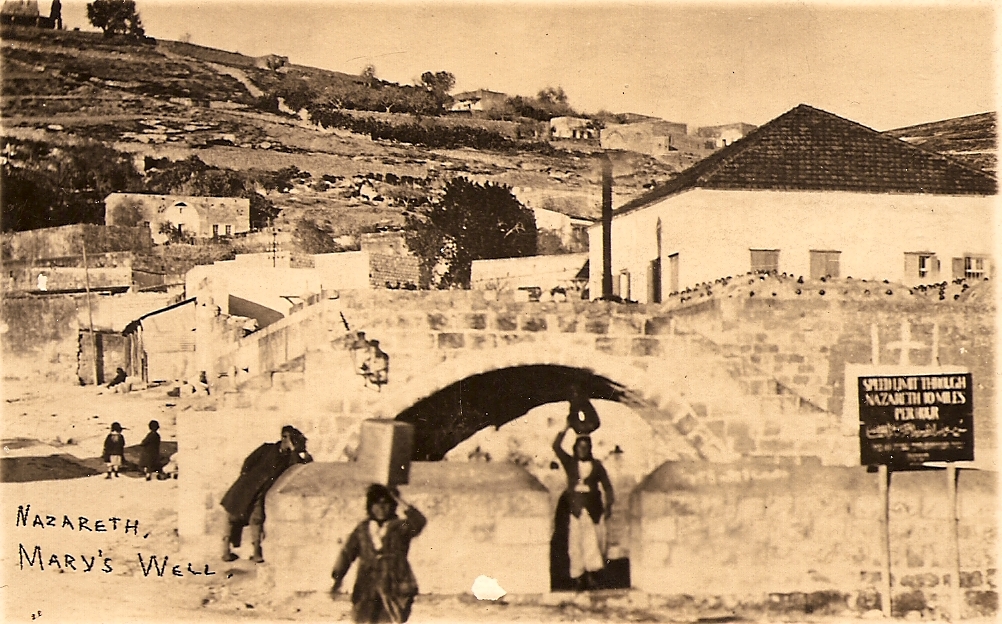
Mary's Well
Ancient water supply with religious significance