Explore the Map
Tel Barom
33.2248° N, 35.5793° E
About
Tel Barom, located on a basalt hill in the Hula Valley, is an archaeological site of strategic significance due to its commanding view of the surrounding area. It saw multiple phases of habitation, beginning in the 2nd century BCE during the Seleucid Empire. The site was occupied through the Roman period and then abandoned in the 2nd century CE. It was resettled as a wealthy Byzantine village in the 4th century CE, characterized by organized urban planning and agricultural activities, including a large oil press. Following the Islamic conquest, the site saw another phase of abandonment until it was settled again in the Mamluk period with a poorer village that did not utilize previous Byzantine installations. It was finally abandoned in the 14th century CE.
Historical Timeline
Journey through time and discover key events in this site's history
Seleucid settlement established
2nd century BCE
Settlement abandoned
2nd century CE
Byzantine settlement established
4th century CE
Byzantine settlement abandoned
7th century CE
Mamluk village established
13th century CE
Mamluk village abandoned
14th century
Archaeological Features
Unique architectural and cultural elements found at this historical site
Agricultural and Land Use Features
Domestic and Habitation Structures
Frequently Asked Questions
Plan Your Visit
Tours, travel arrangements, and practical information
Recommended Tours

More Sites in Israel
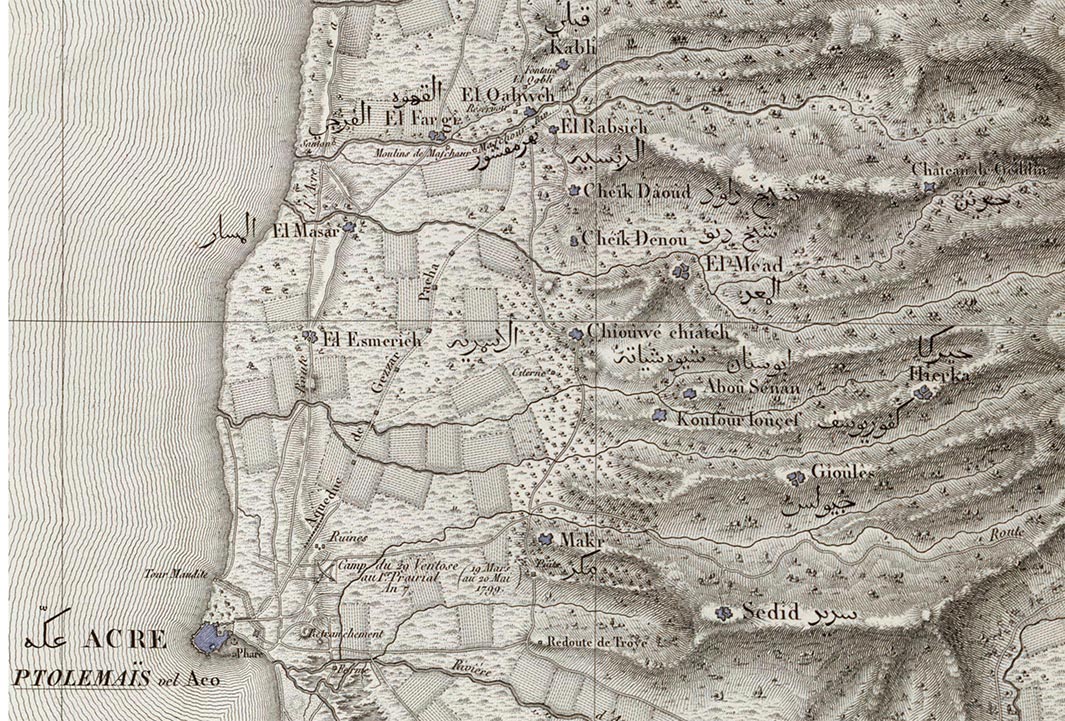
Tel Kabri
Bronze Age Canaanite palace and settlement
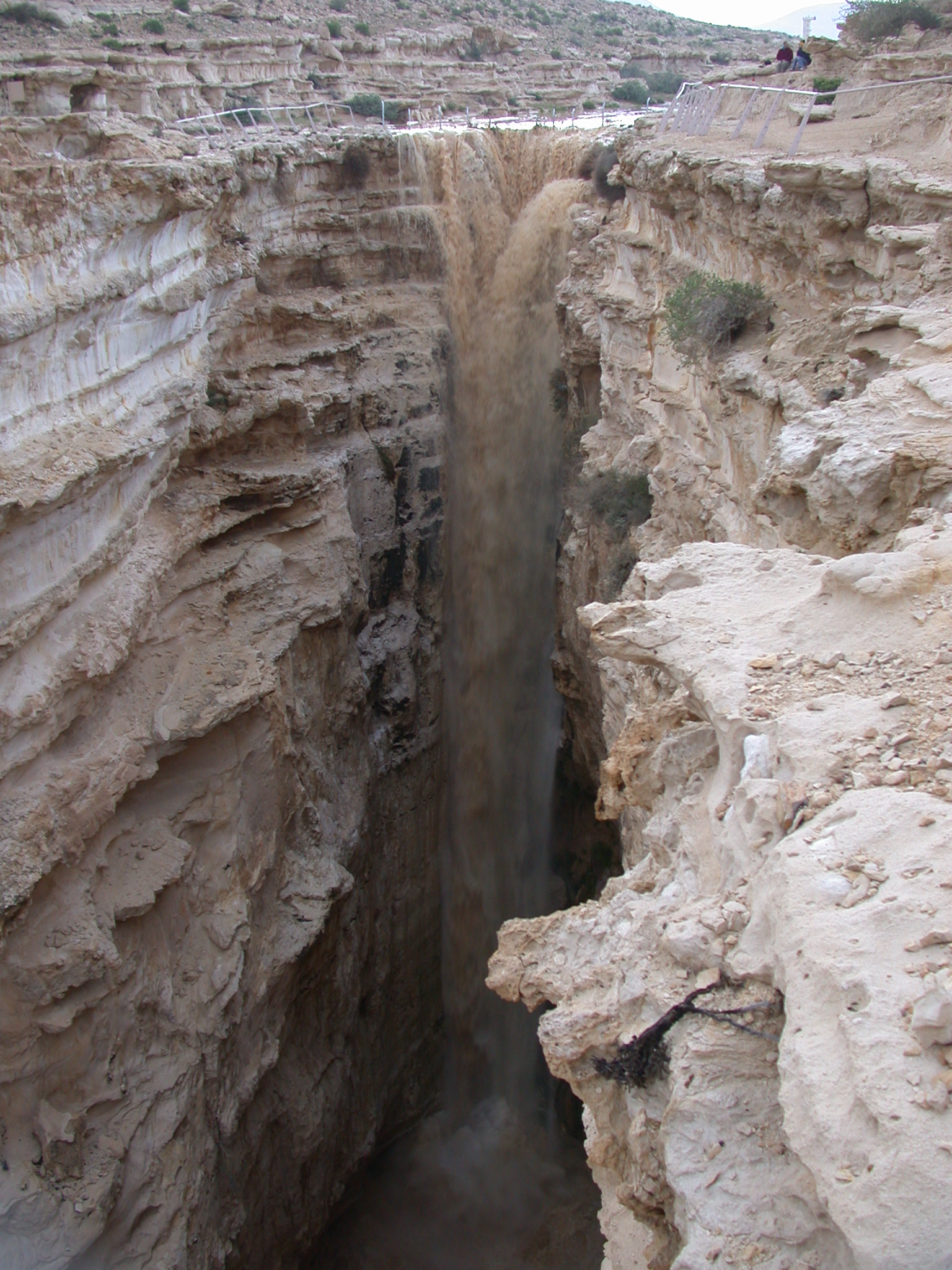
Ein Avdat
Desert canyon with springs and ancient habitations.

Tel Tanninim
Ancient tell near Mediterranean with Byzantine remains
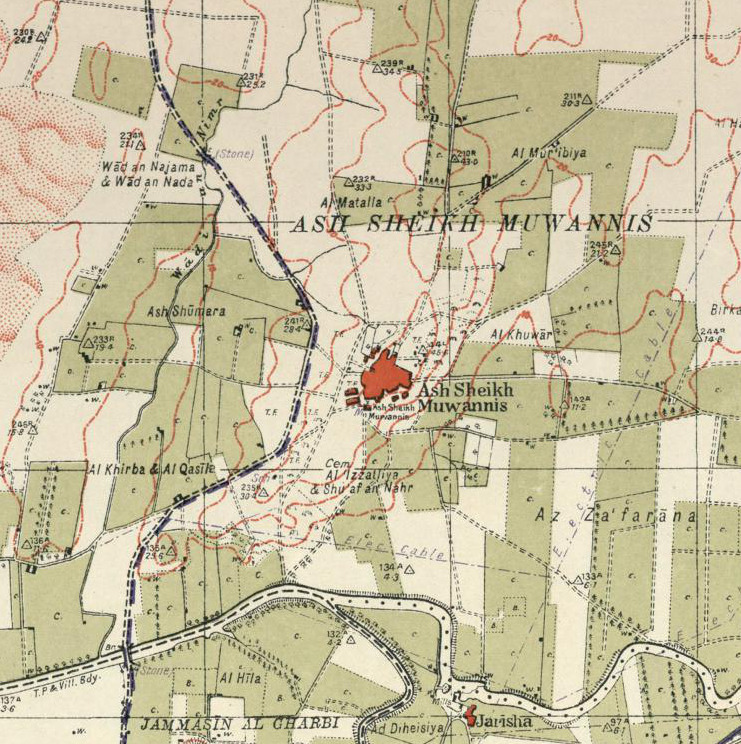
Tell Qasile
Philistine port city with temples and houses
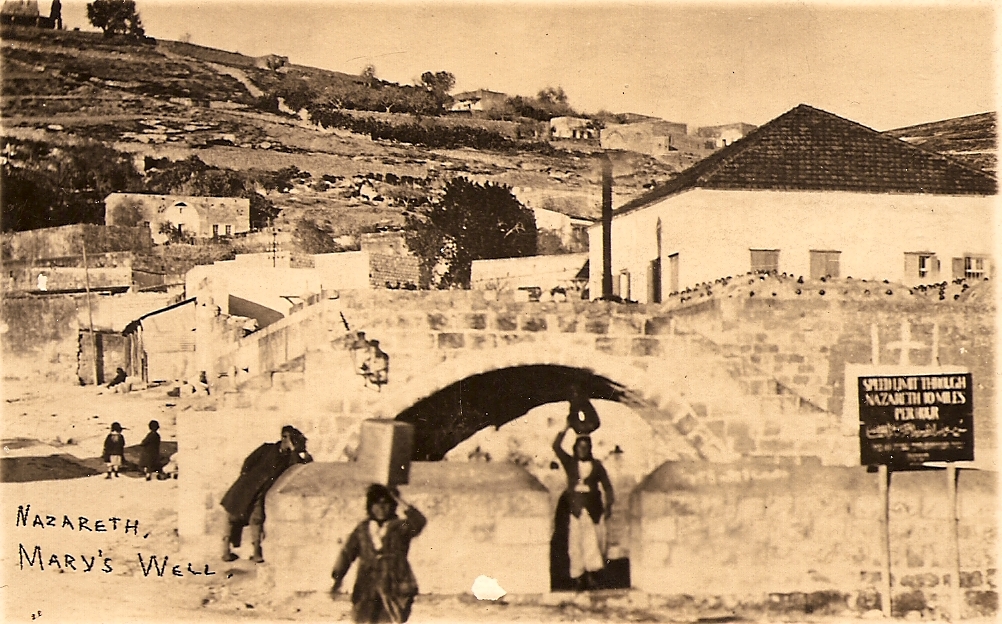
Mary's Well
Ancient water supply with religious significance
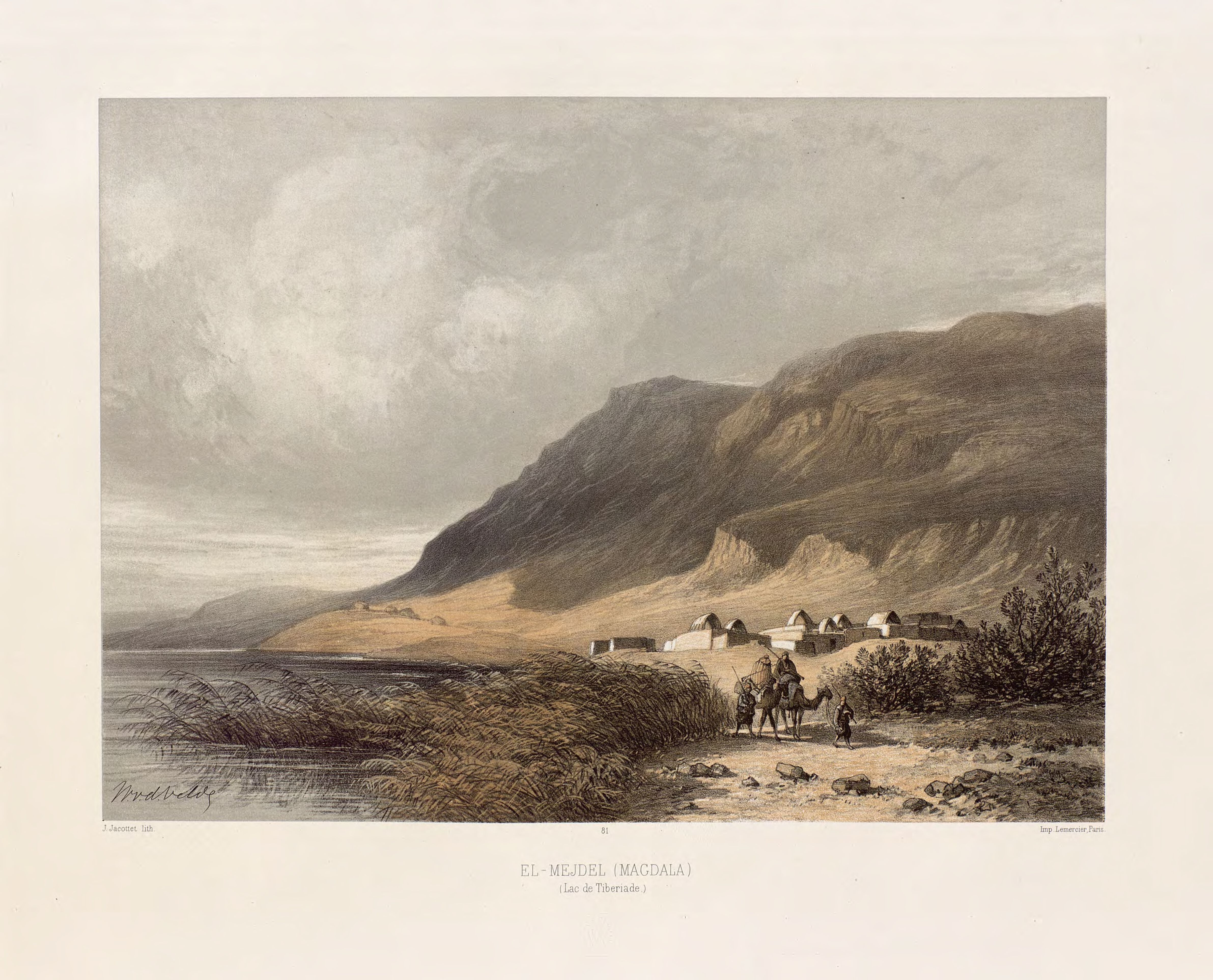
Magdala
Ancient Jewish city with Roman synagogues