Time Periods
Paleolithic
Mesolithic
Neolithic
Chalcolithic
Bronze Age
Iron Age
Classical Period
Post-Classical Period
Early Modern Period
Industrial Period
Contemporary Period
Time Periods
Paleolithic
Mesolithic
Neolithic
Chalcolithic
Bronze Age
Iron Age
Classical Period
Post-Classical Period
Early Modern Period
Industrial Period
Contemporary Period
Location
About
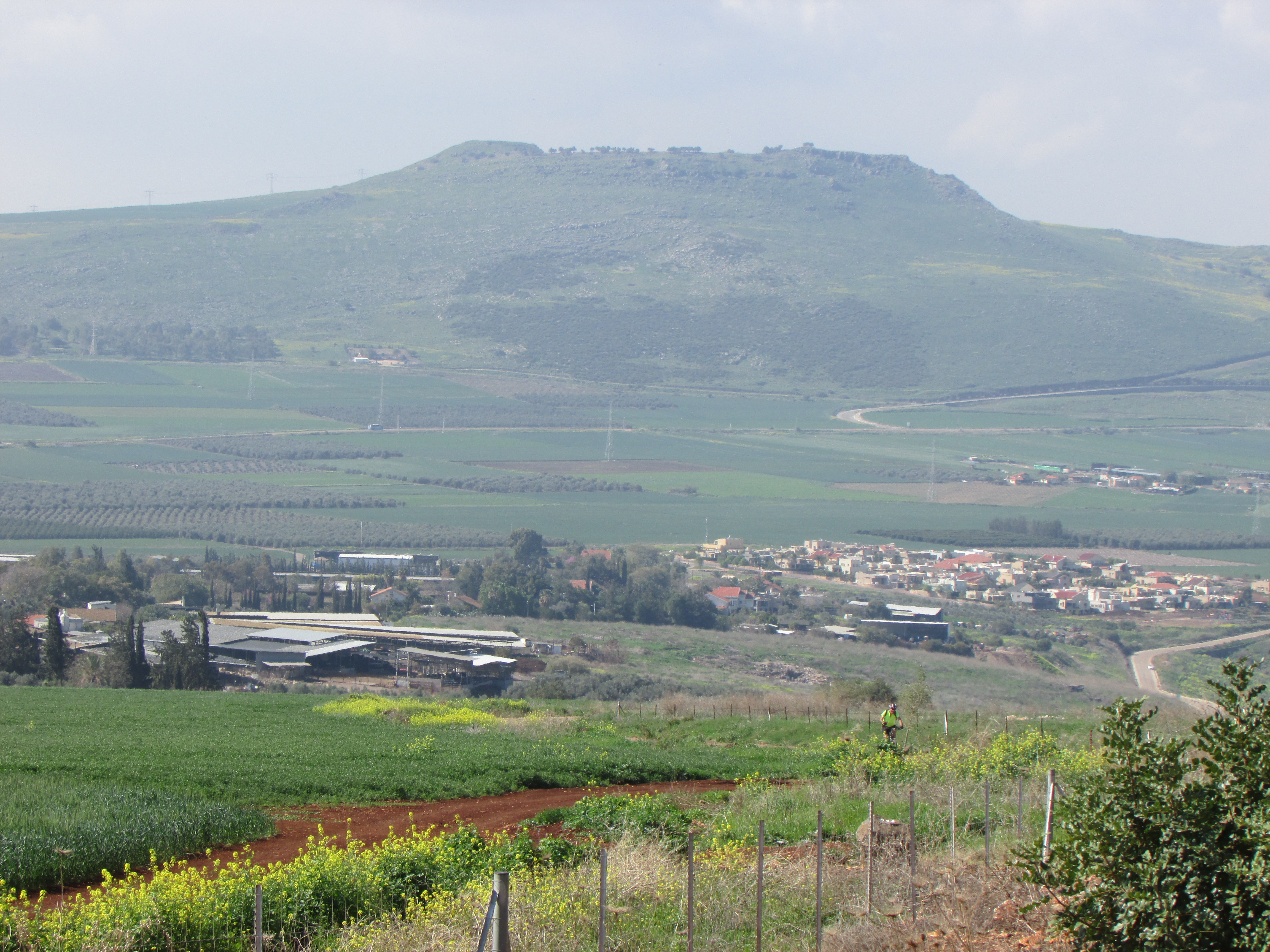
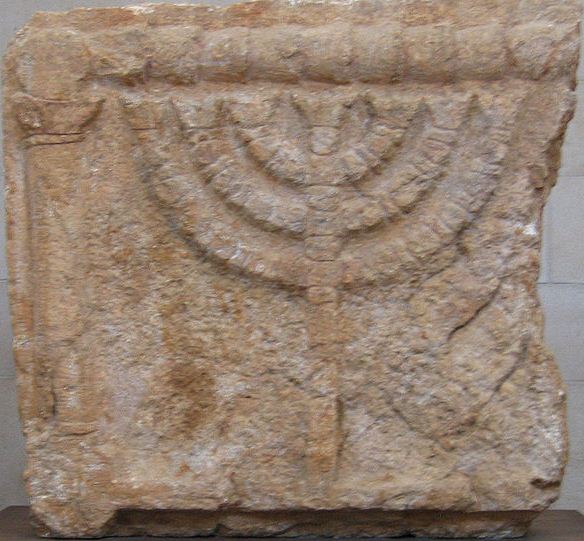
The archaeological site of Arbel, located in northern Israel beside Mount Arbel and the Sea of Galilee, holds historical significance through various periods. The site is noted for its ancient village remnants, defensive structures in the form of refortified caves, and a significant synagogue, which was constructed in the 4th century CE and rebuilt in the 6th century CE. The synagogue, adorned with intricate carvings and Corinthian and Ionic columns, was used until its destruction in a catastrophic earthquake in 749 CE. Arbel also holds historical significance as a battleground during the Maccabean period and as a refuge for Jewish partisans against Herod's forces. The site's layers of occupation and its blend of domestic, defensive, and religious features provide valuable insights into the region's ancient cultures and their resilience through turbulent times.
Gallery
Explore photographs of ancient structures, artifacts, and archaeological excavations at Arbel
Archaeological Features
Explore the unique architectural and cultural elements found at this historical site
Defensive Structures
Religious and Ritual Structures
Domestic and Habitation Structures
Historical Timeline
Journey through time and discover key events in this site's archaeological history
Plan Your Visit
Details
- Country
- Israel
- Source
- Wikipedia
More Sites in Israel
Masada
Ancient fortress on isolated rock plateau

Tel Dor
Ancient coastal city with diverse rulers
Tel Hanaton
Archaeological tell in Lower Galilee, Israel
Tel Shem
Flattened tell with scattered artifacts.
Beit Guvrin, Israel
Roman city ruins with Hellenistic caves.
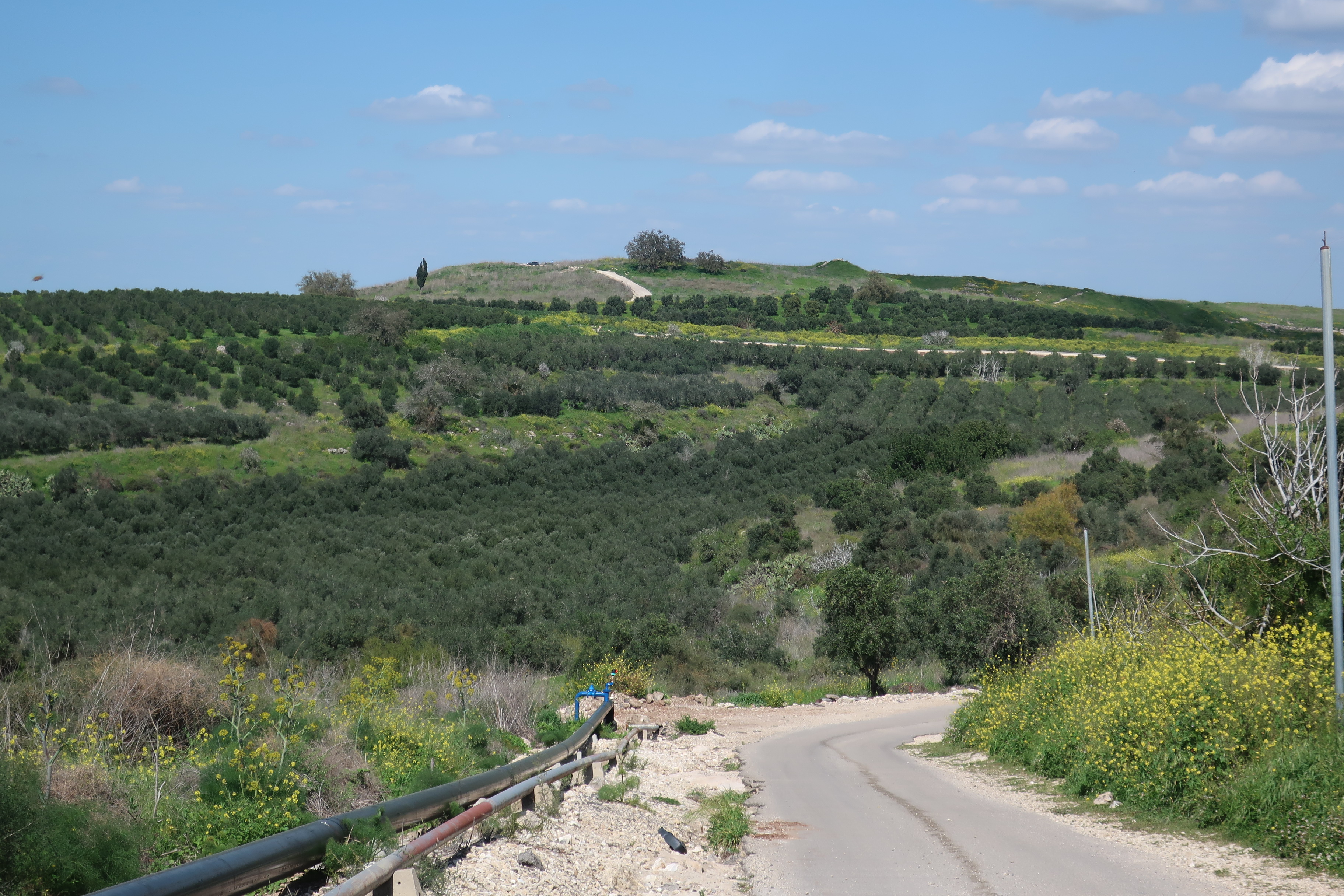
Gezer
Ancient Canaanite city with biblical significance.