Explore the Map
Nahal Hever
31.4132° N, 35.3659° E
About
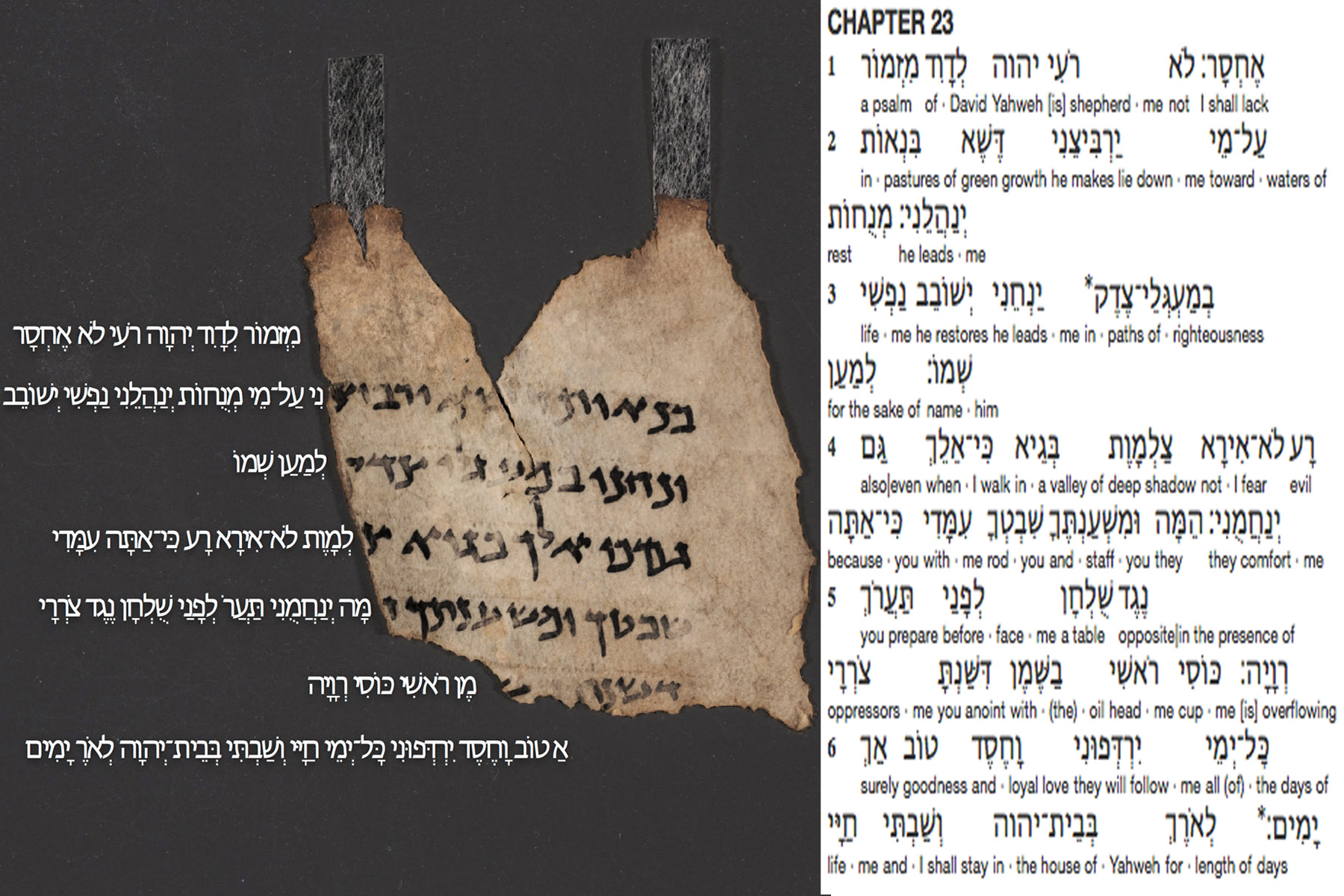
Nahal Hever is an archaeological site of significant historical interest located in the Judean Desert. The stream, known in Hebrew as 'Nahal Hever' and in Arabic as 'Wadi al-Khabat', features two prominent caves: the Cave of Letters and the Cave of Horror. These caves contain vital archaeological evidence, including human skeletons and ancient manuscripts, most notably connected to the Bar Kokhba revolt from 132 to 136 CE. The Cave of Letters is famous for the discovery of Babatha's personal documents, providing valuable insights into the life and times of the period. Additionally, fragments of biblical manuscripts, such as those from the Book of Numbers and Psalms, have been uncovered, further underscoring the site's historical and cultural significance.
Gallery
Explore photographs of ancient structures, artifacts, and archaeological excavations
Historical Timeline
Journey through time and discover key events in this site's history
Bar Kokhba revolt
132 CE - 136 CE
Archaeological Features
Unique architectural and cultural elements found at this historical site
Burial and Funerary Structures
Domestic and Habitation Structures
Frequently Asked Questions
Plan Your Visit
Tours, travel arrangements, and practical information
More Sites in Israel
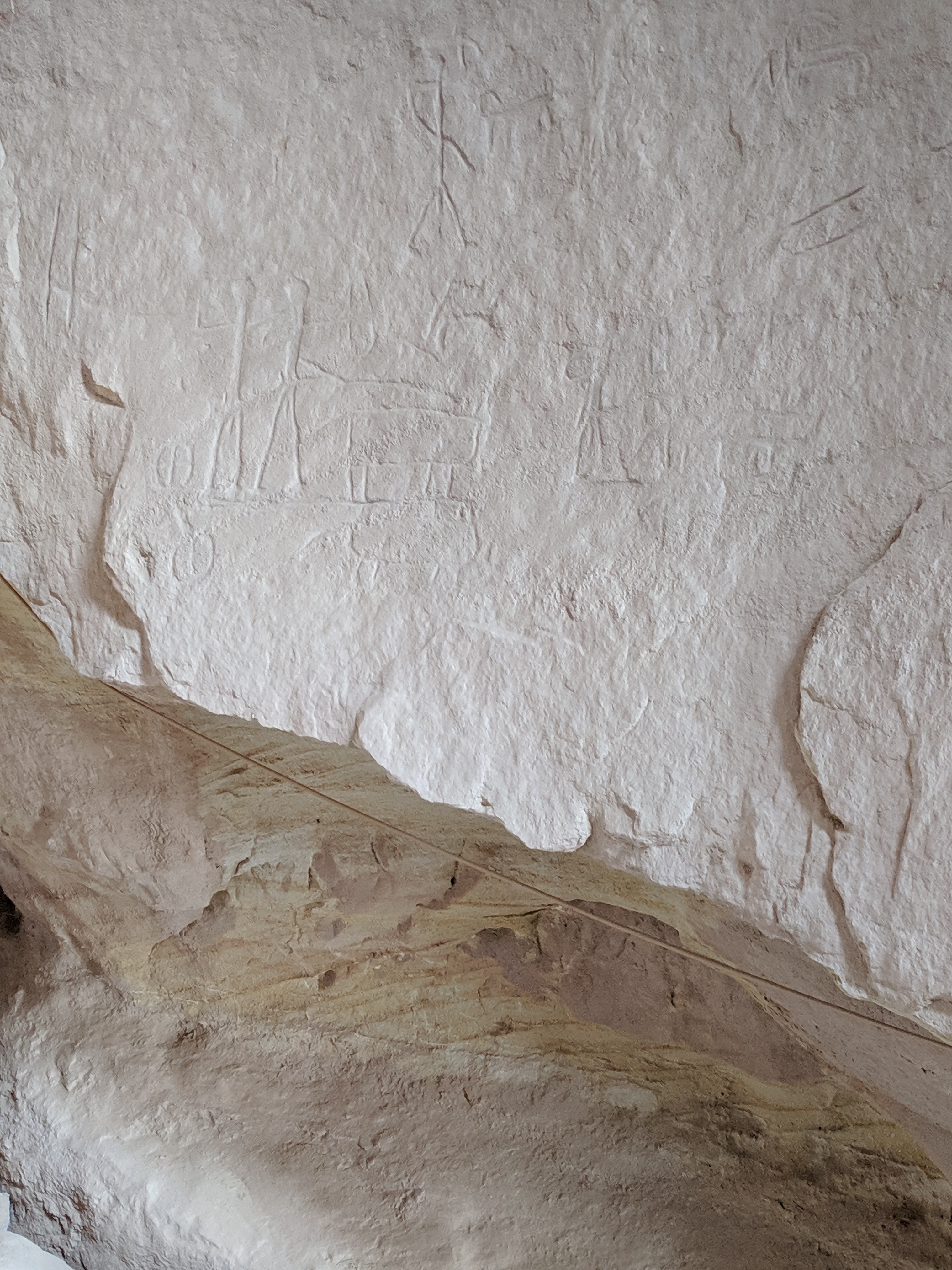
Timna Valley
Copper mining and unique sandstone formations
Tel Ro'im
Limestone hill with Roman-Byzantine caves
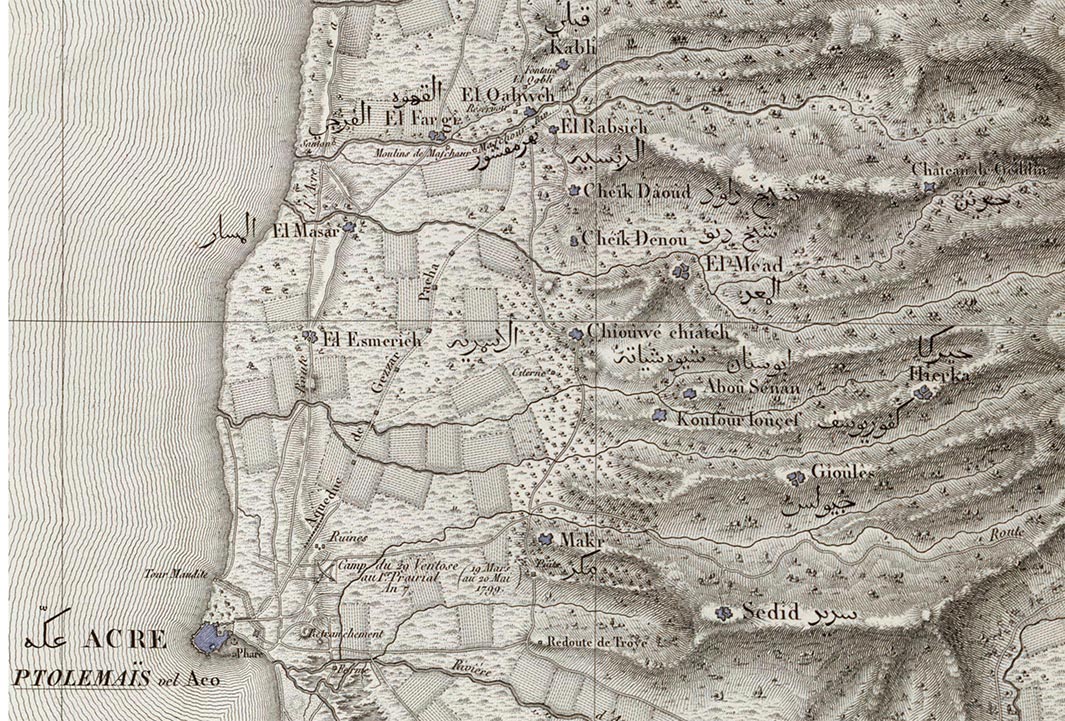
Tel Kabri
Bronze Age Canaanite palace and settlement
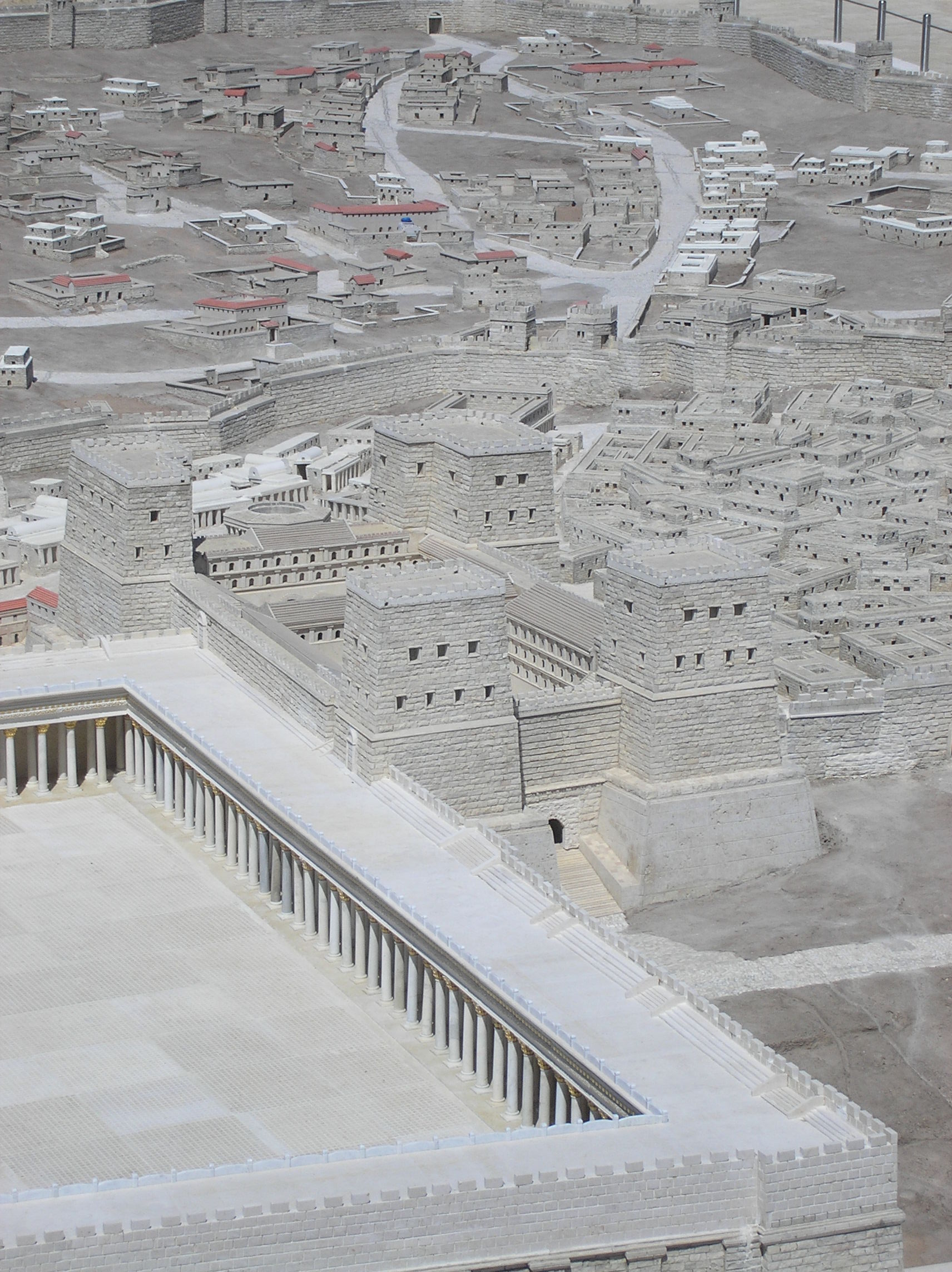
Antonia Fortress
Herodian citadel adjacent to Second Temple
Lavnin
Late Bronze Age site with burial caves
Tell Qasile
Philistine port city with temples and houses