
Time Periods
Paleolithic
Mesolithic
Neolithic
Chalcolithic
Bronze Age
Iron Age
Classical Period
Post-Classical Period
Early Modern Period
Industrial Period
Contemporary Period
Time Periods
Paleolithic
Mesolithic
Neolithic
Chalcolithic
Bronze Age
Iron Age
Classical Period
Post-Classical Period
Early Modern Period
Industrial Period
Contemporary Period
Location
About
Catania (, also UK: , US: ; Sicilian and Italian: [kaˈtaːnja] ) is the second-largest municipality in Sicily, after Palermo, both by area and by population. Despite its reputation as the second city of the island, Catania is the largest Sicilian conurbation, and among the largest in Italy. It has important road and rail transport infrastructures, and hosts the main airport in Sicily (fifth-largest in Italy). The city is located on Sicily's east coast, facing the Ionian Sea at the base of the active volcano Mount Etna. It is the capital of the 58-municipality region known as the Metropolitan City of Catania, which is the seventh-largest metropolitan area in Italy. The population of the city proper is 311,584, while the population of the Metropolitan City of Catania is 1,107,702. Catania was founded in the 8th century BC by Chalcidian Greeks in Magna Graecia. The city has weathered multiple geologic catastrophes: it was almost completely destroyed by a catastrophic earthquake in 1169. A major eruption and lava flow from nearby Mount Etna nearly swamped the city in 1669 and it suffered severe devastation from the 1693 Sicily earthquake. During the 14th century, and into the Renaissance period, Catania was one of Italy's most important cultural, artistic and political centres. It was the site of Sicily's first university, founded in 1434. It has been the native or adopted home of some of Italy's most famous artists and writers, including the composers Vincenzo Bellini and Giovanni Pacini, and the writers Giovanni Verga, Luigi Capuana, Federico De Roberto and Nino Martoglio. Catania today is the industrial, logistical, and commercial centre of Sicily. Its airport, the Catania–Fontanarossa Airport, is the largest in Southern Italy. The central "old town" of Catania features exuberant late-baroque architecture, prompted after the 1693 earthquake, and is a UNESCO World Heritage Site.
Plan Your Visit
Details
- Country
- Italy
- Source
- Wikipedia
More Sites in Italy
Pollena Trocchia
Explore this archaeological site.
Torre Annunziata
Explore this archaeological site.
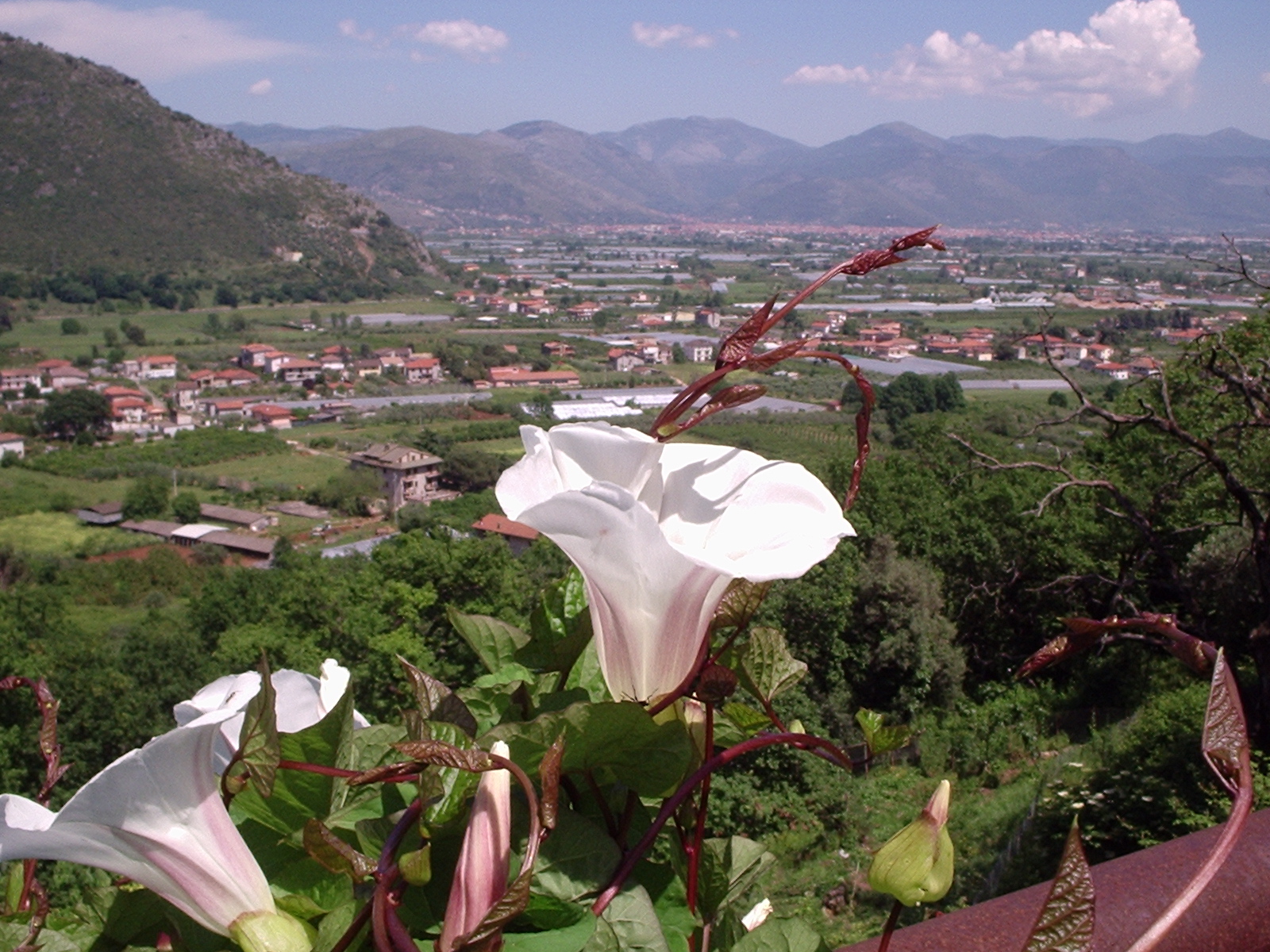
Latium Adjectum
Roman region with cities and colonies.
Villa of the Papyri
Explore this archaeological site.
Gela
Explore this archaeological site.
Ostia Antica
Explore this archaeological site.