Time Periods
Paleolithic
Mesolithic
Neolithic
Chalcolithic
Bronze Age
Iron Age
Classical Period
Post-Classical Period
Early Modern Period
Industrial Period
Contemporary Period
Time Periods
Paleolithic
Mesolithic
Neolithic
Chalcolithic
Bronze Age
Iron Age
Classical Period
Post-Classical Period
Early Modern Period
Industrial Period
Contemporary Period
Location
About
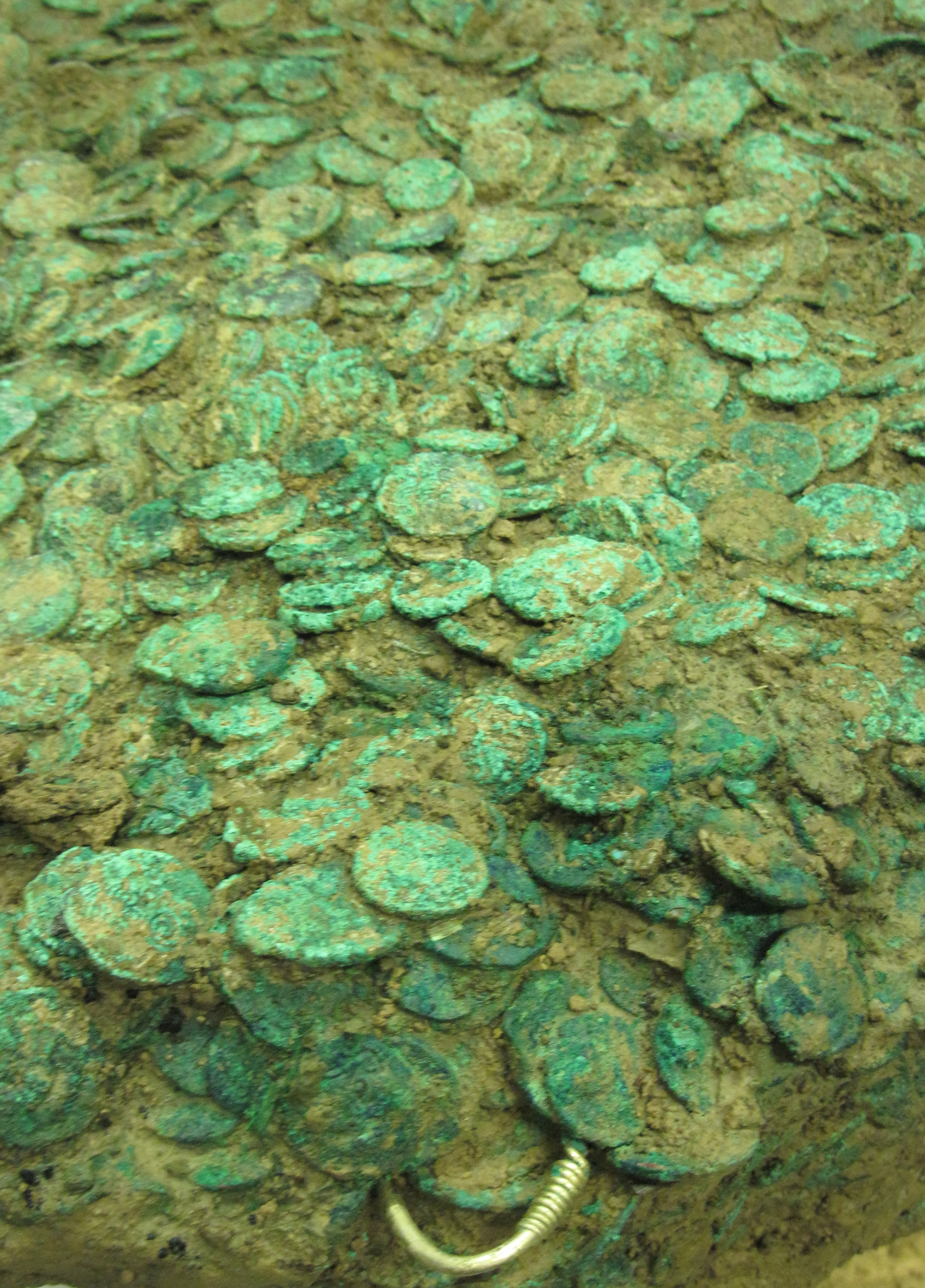
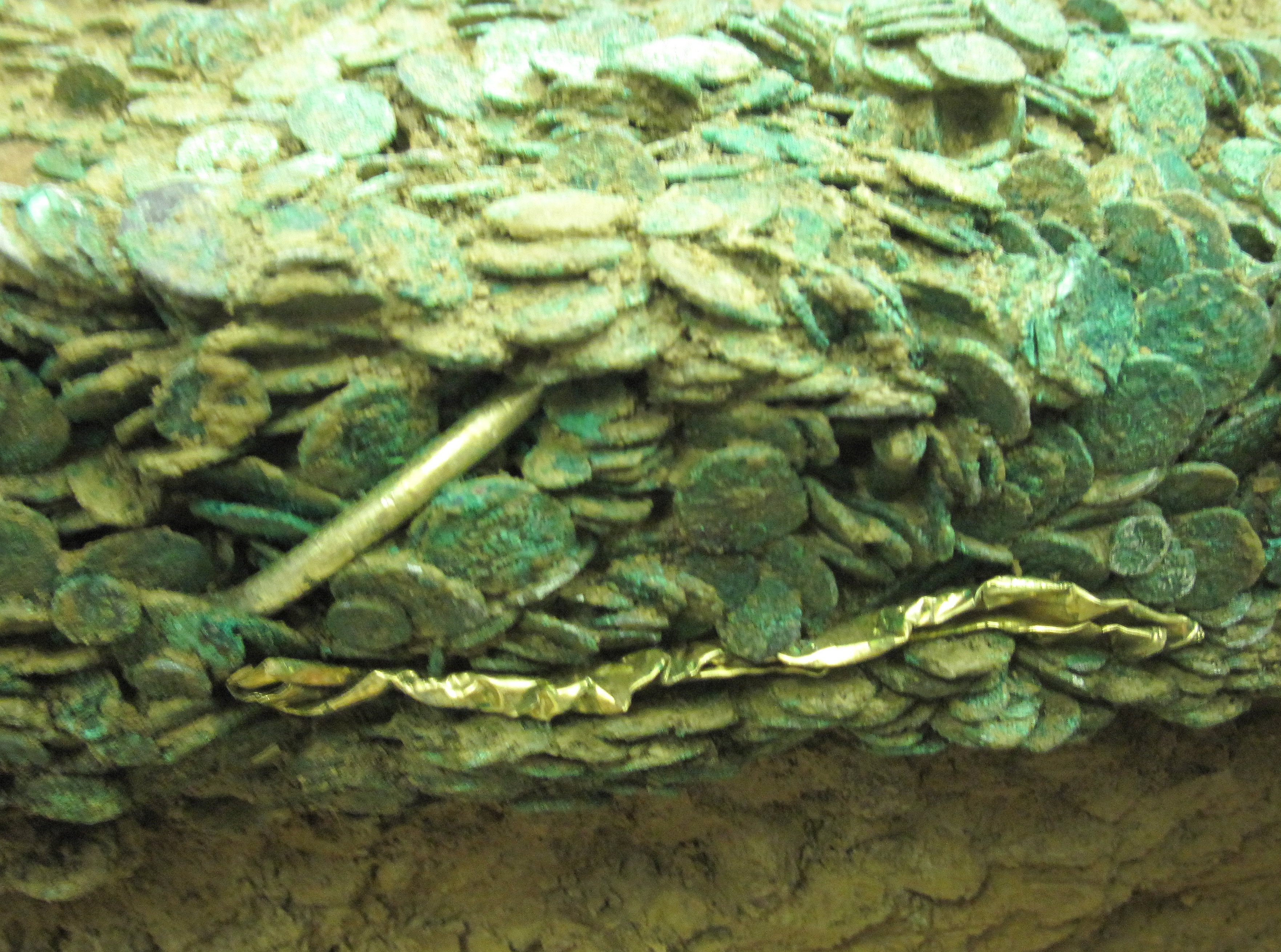
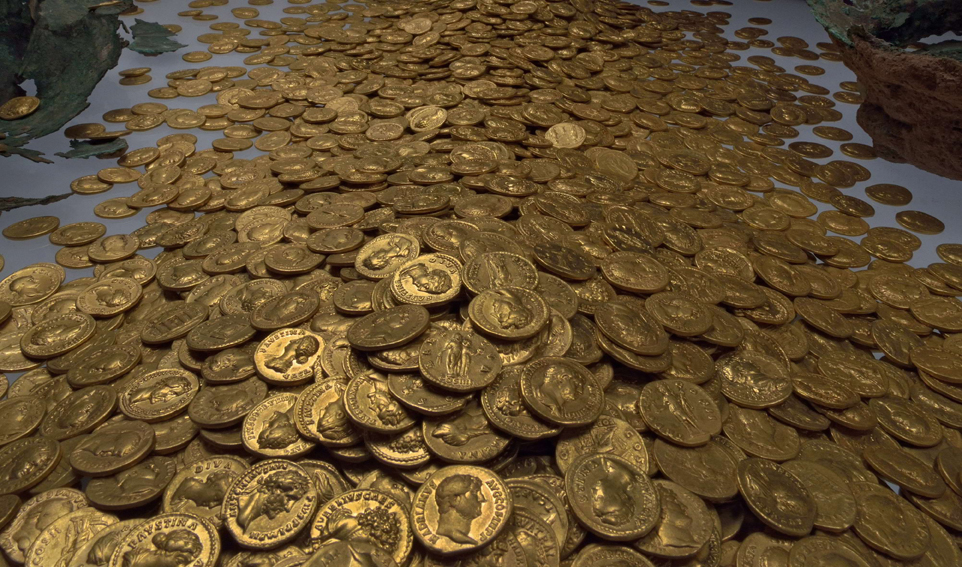
The Grouville Hoard, also known as Le Câtillon II, represents a significant archaeological treasure discovered on the island of Jersey in the Channel Islands. It is one of the largest hoards of its kind, consisting of approximately 70,000 late Iron Age and Roman coins. The hoard is believed to have been buried by the Curiosolitae tribe, likely as they fled Julius Caesar's advancing armies around 50 BCE. In addition to the coins, the hoard includes gold torcs, silver bracelets, and other valuable artifacts. The presence of burnt daub, pottery fragments, and furnace remains suggests an area of habitation and possible coin minting activities. The site provides valuable insights into the late Iron Age period on Jersey, indicating the island's historical significance in the broader Celtic and Roman world.
Gallery
Explore photographs of ancient structures, artifacts, and archaeological excavations at Grouville Hoard
Archaeological Features
Explore the unique architectural and cultural elements found at this historical site
Miscellaneous Features
Industrial and Craft Structures
Domestic and Habitation Structures
Historical Timeline
Journey through time and discover key events in this site's archaeological history
Plan Your Visit
Details
- Country
- Jersey
- Source
- Wikipedia
More Sites in Jersey
Les Landes
Coastal heathland with multi-period archaeological sites
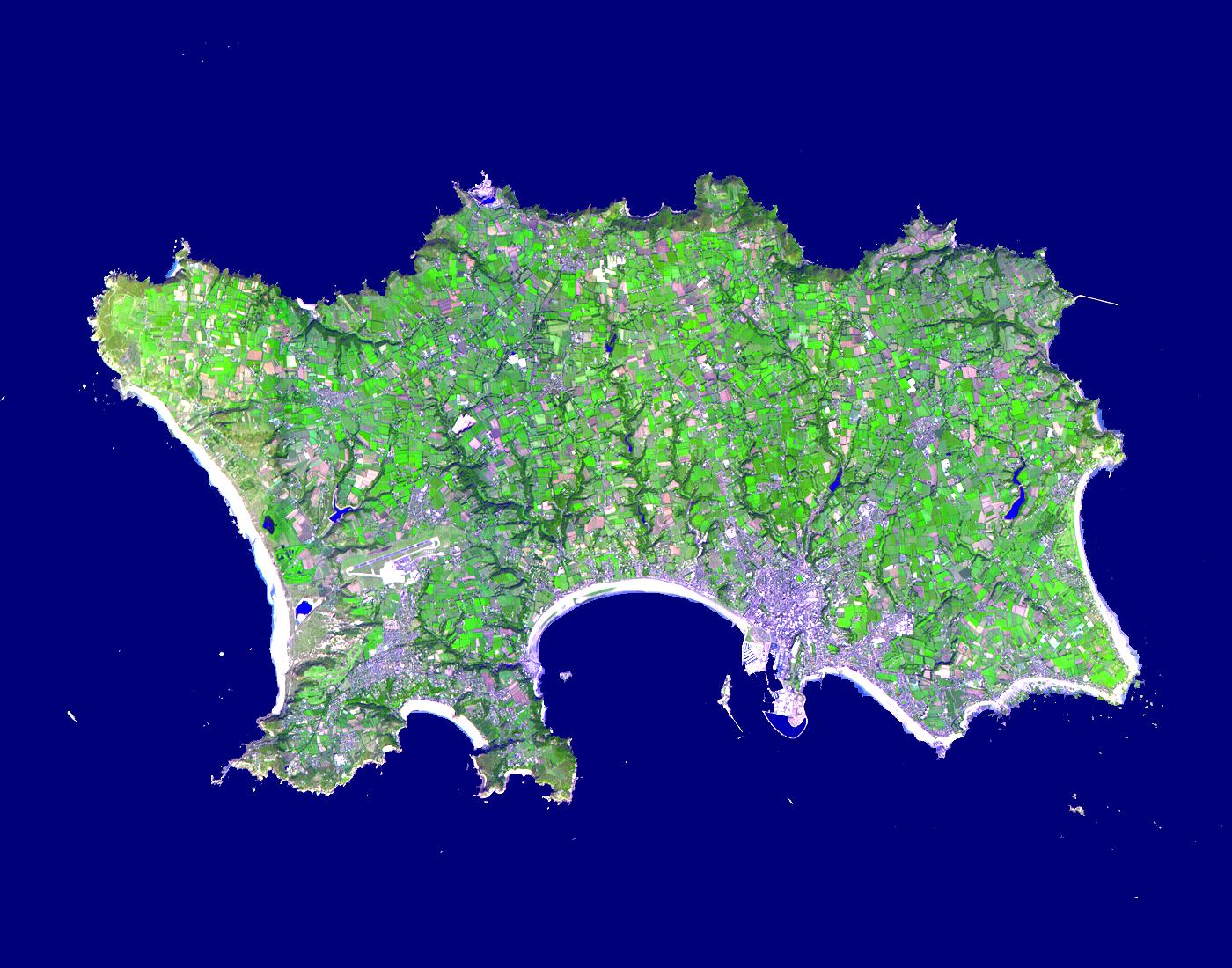
Le Pinacle
Rocky pinnacle with multi-period archaeological remains
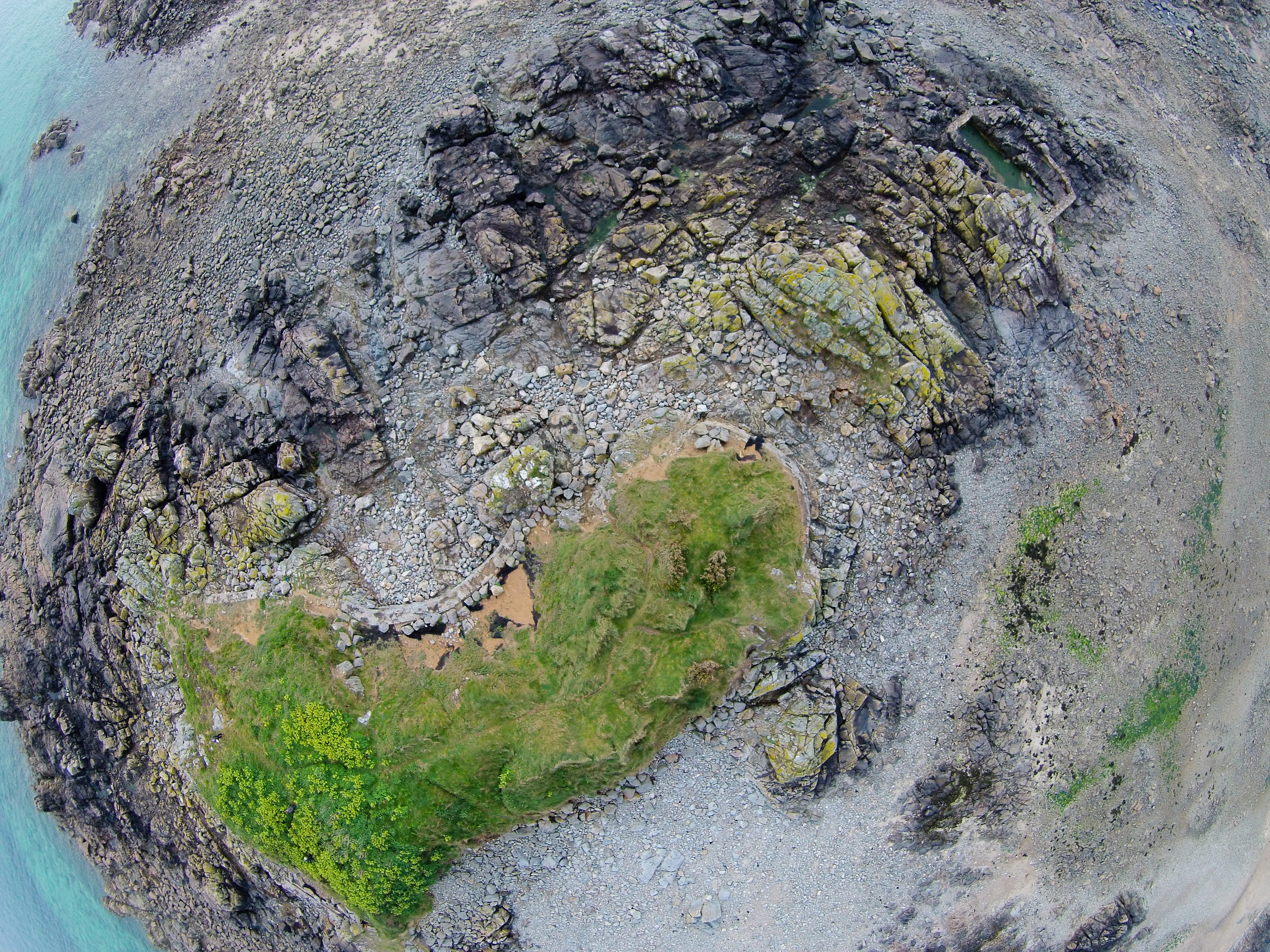
La Motte, Jersey
Tidal island with Neolithic remains
Ville-ès-Nouaux
Explore this archaeological site.
Trinity Hoard
Bronze Age hoard with bronze axeheads
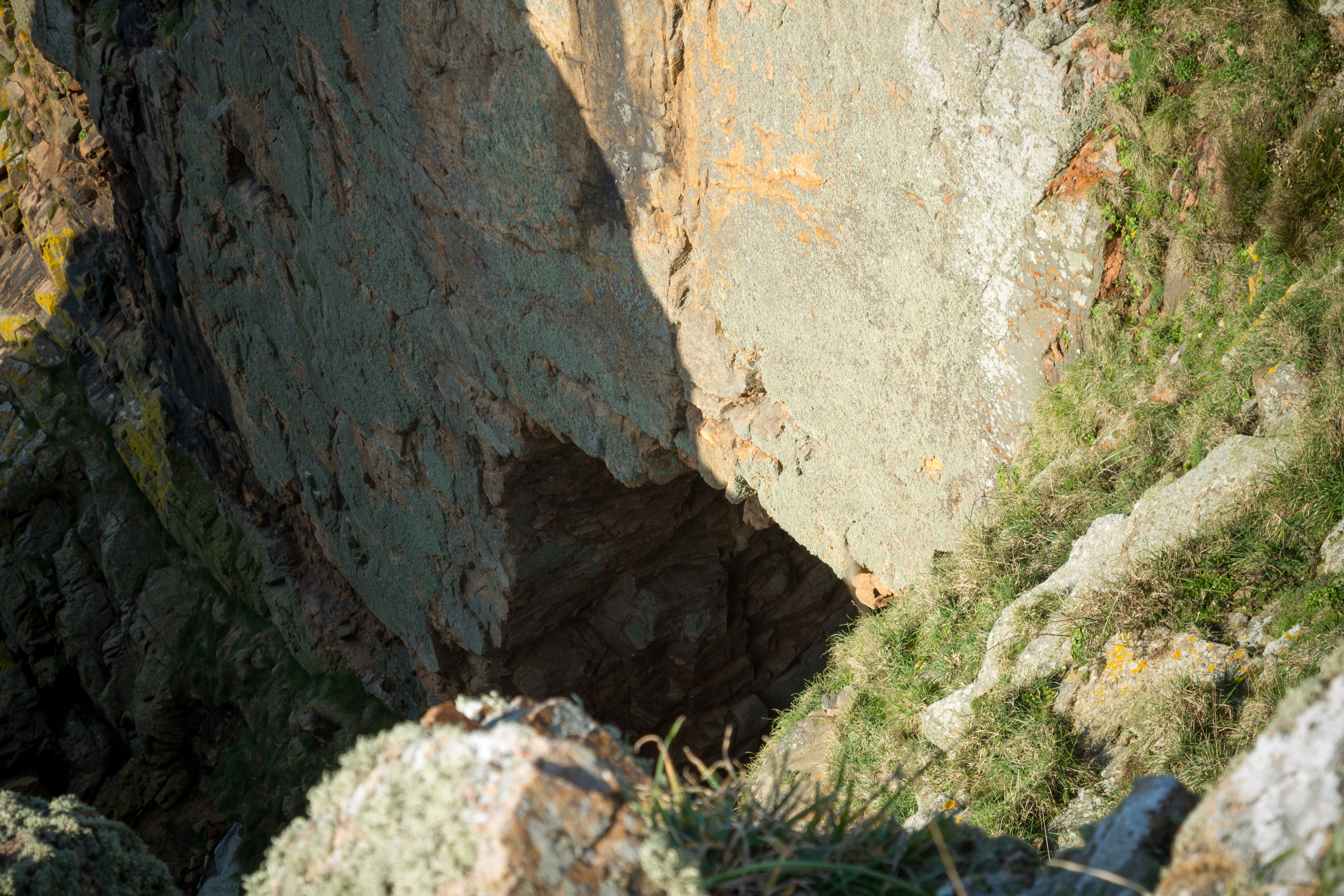
La Cotte de St Brelade
Paleolithic cave site with Neanderthal artifacts