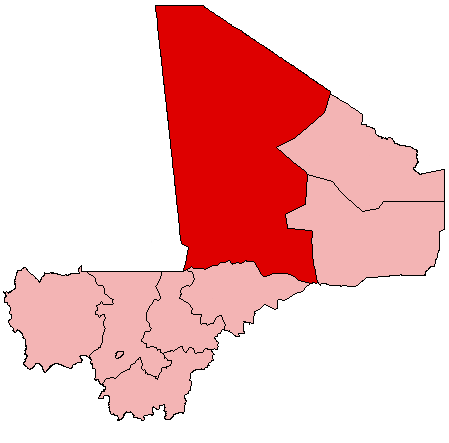
Explore the Map
Toyla
16.2972° N, -3.4972° E
About
Toyla is an archaeological site located in the Diré Cercle of the Timbuktu Region in Mali. The site was extensively excavated in the 1980s by archaeologists Téréba Togola, Michael Rainbault, and Roderick and Susan McIntosh. Their work uncovered tumuli, which are a type of burial mound, dating back to the period between 880 CE and 990 CE. This places the site within the Early Post-Classical Period. The presence of these tumuli provides significant insights into the burial practices and social structures of the communities that inhabited the region during this time. The discovery contributes to our understanding of the cultural and historical developments in the Timbuktu Region during the late first millennium CE.
Gallery
Explore photographs of ancient structures, artifacts, and archaeological excavations
Historical Timeline
Journey through time and discover key events in this site's history
Tumuli Construction
880 CE, 990 CE
Archaeological Features
Unique architectural and cultural elements found at this historical site
Burial and Funerary Structures
Frequently Asked Questions
Plan Your Visit
Tours, travel arrangements, and practical information
More Sites in Mali
Djenné-Djenno
Ancient Mande city in Mali's Niger River valley
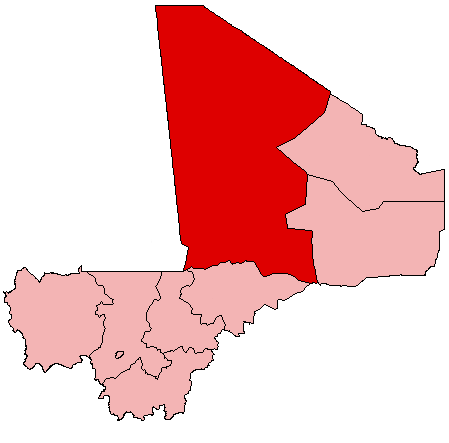
Tondidarou
Megalithic site with phalliform stone monuments.
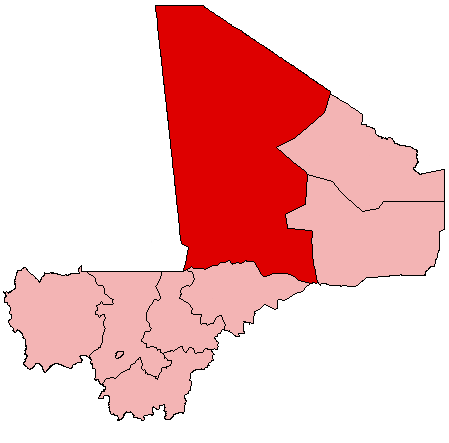
Kawinza
Ancient tumuli with pottery fragments
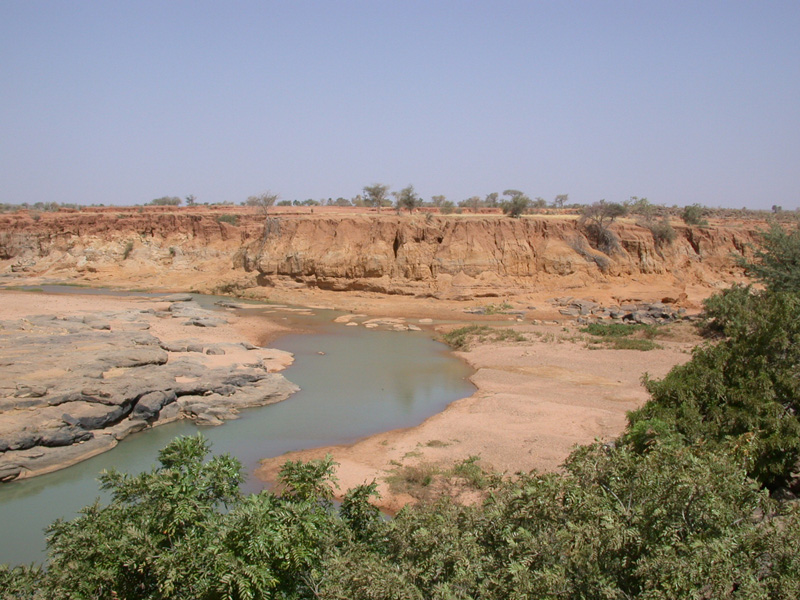
Ounjougou
Complex archaeological site with early pottery
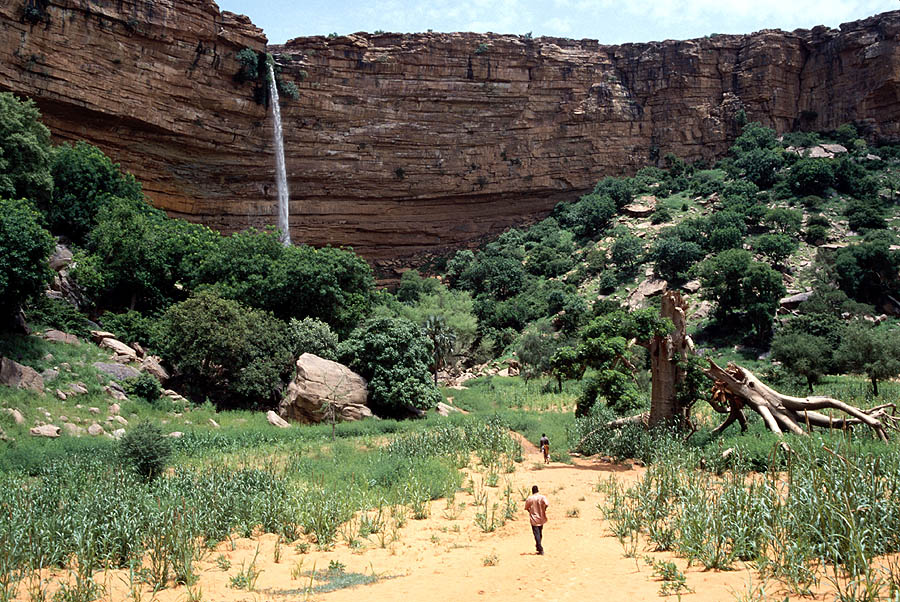
Bandiagara Escarpment
Sandstone cliff with ancient burial caves
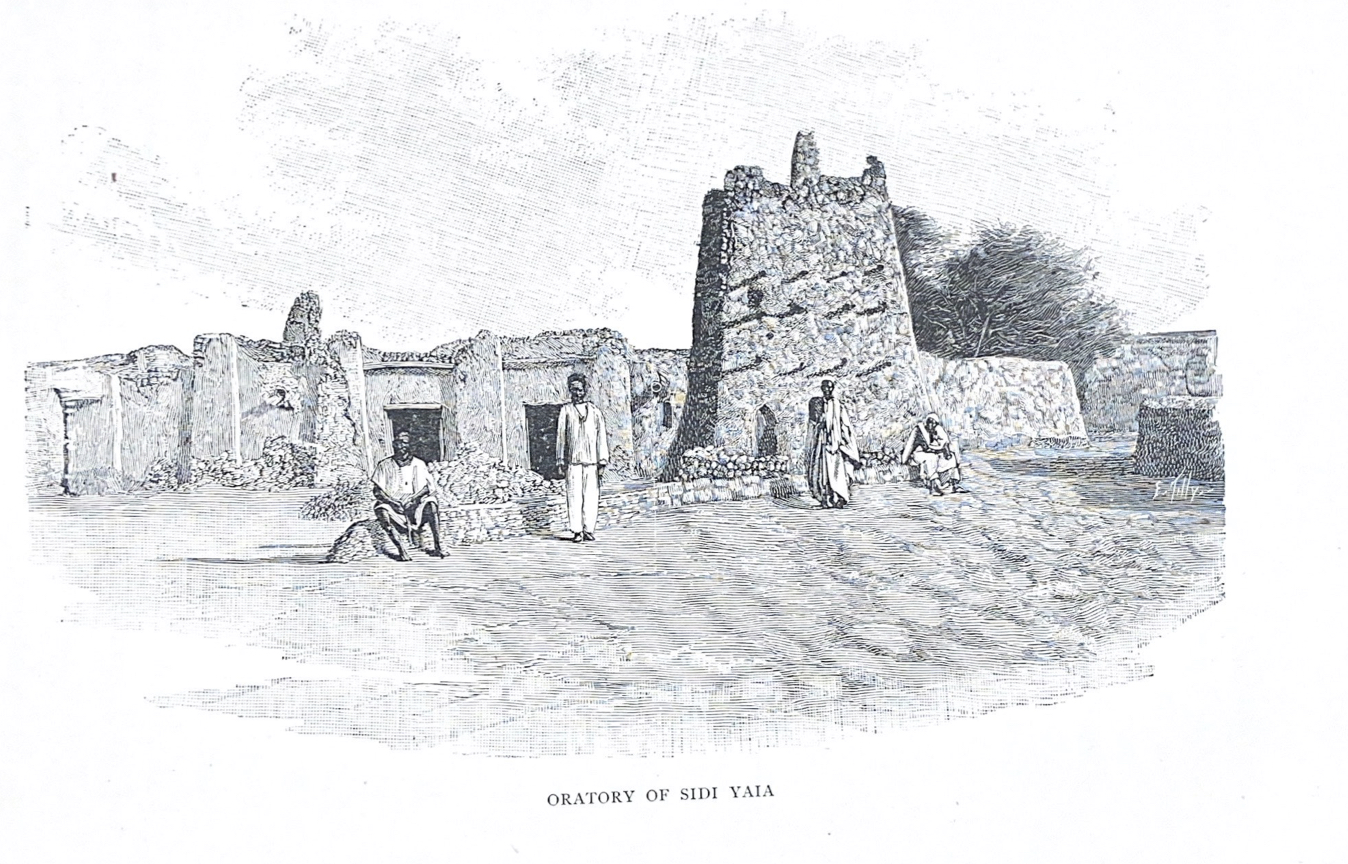
Sidi Yahya Mosque
Earthen Sudano-Sahelian mosque in Mali