Explore the Map
Xagħra Stone Circle
36.0464° N, 14.2647° E
About
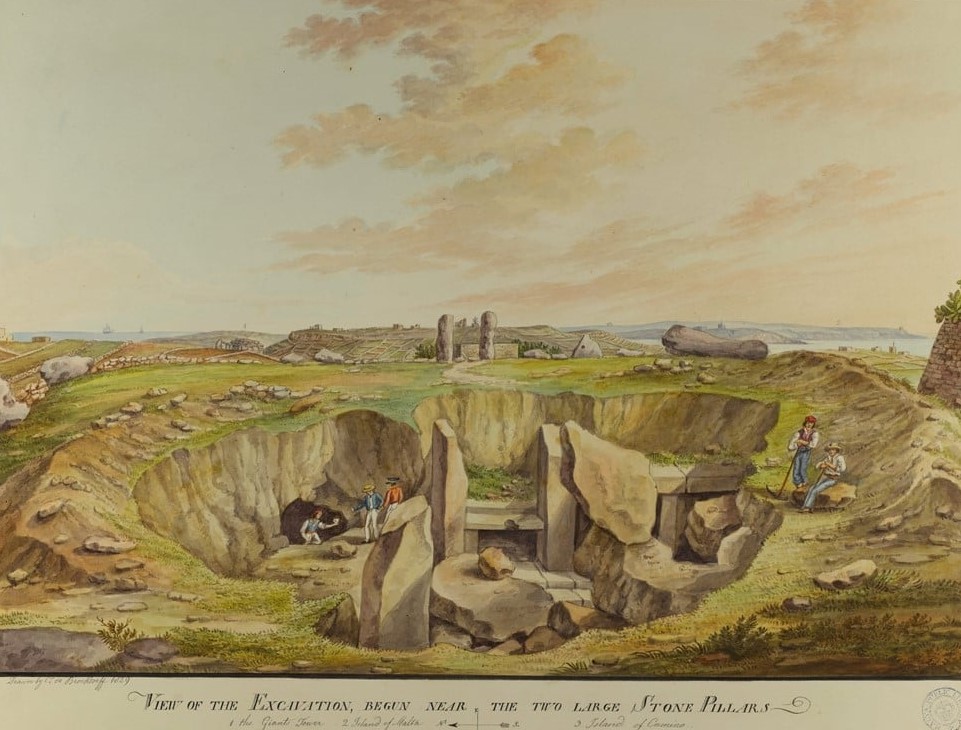
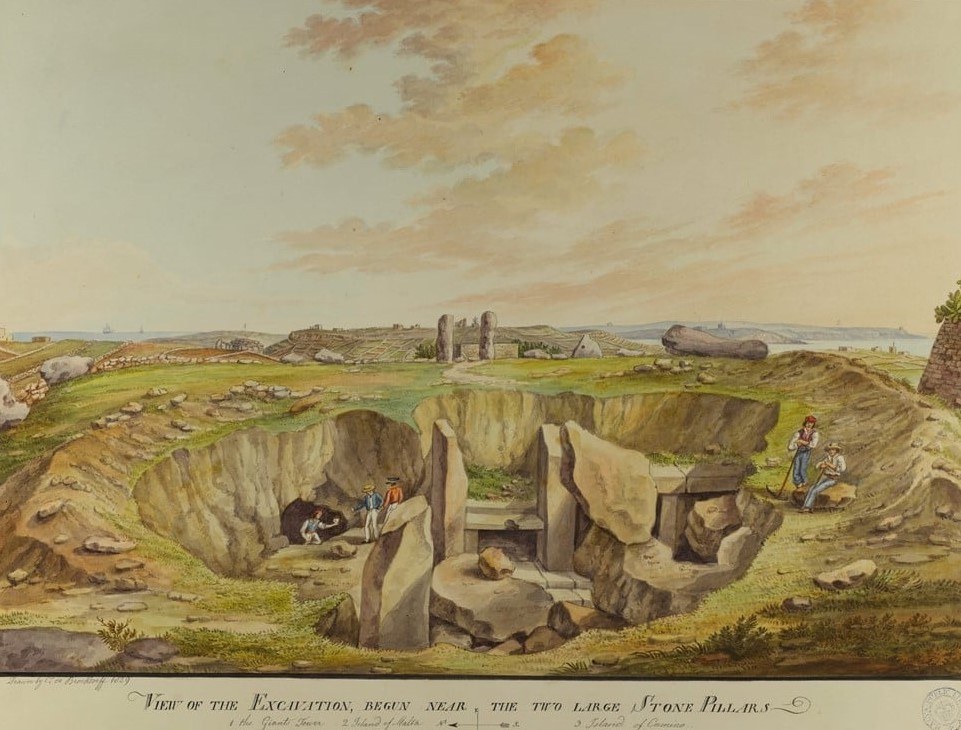
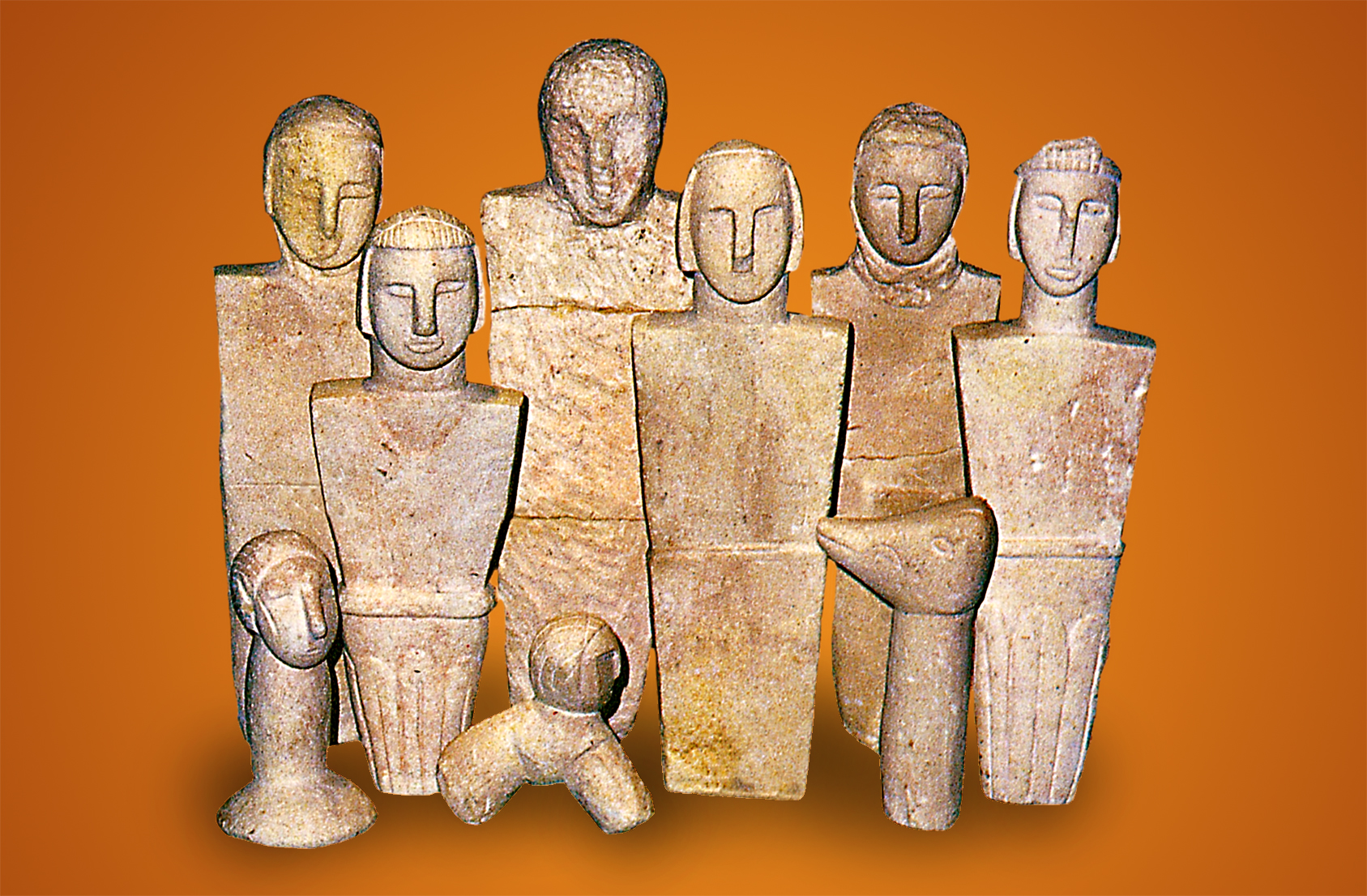
The Xagħra Stone Circle (Maltese: Iċ-Ċirku tax-Xagħra), also known as the Xagħra Hypogeum or the Brochtorff Circle, is a Neolithic funerary complex located in Xagħra, Gozo, Malta. It consists of a series of caves which were used to bury the dead, and which were surrounded by a walled enclosure. It mainly dates back to around 3000 to 2400 BC, although the earliest tombs at the site date back to 4100 to 3800 BC. The caves collapsed sometime before 2000 BC, and the site was later used for domestic and agricultural purposes. After being discovered in the late 18th century, the site was excavated in the 1820s before being reburied and forgotten. It was rediscovered in 1964, and major excavations took place from 1987 to 1994. It is the only prehistoric stone-enclosed hypogeum in Europe, and is regarded as one of the most important archaeological sites in Malta along with the megalithic temples and the Hypogeum of Ħal-Saflieni. Recent dating through AMS has added scores of new date estimates of the burials as part of the ERC-funded FRAGSUS project and the ToTL project. The isotopic studies indicate changing dietary and climatic conditions and link with broader changes in the local environment.
Gallery
Explore photographs of ancient structures, artifacts, and archaeological excavations
Historical Timeline
Journey through time and discover key events in this site's history
First recorded description
1788
Early 19th-century excavation and painting
1820s
Site filled in and lost
late 1830s
Rediscovery
1964
Major modern excavations
1987–1994
Cave collapse
before 2000 BC
Genetic evidence period
3rd millennium BC
Terminology update
2009
Main period of activity
c. 3000–2400 BC
Earliest tombs
c. 4100–3800 BC
Archaeological Features
Unique architectural and cultural elements found at this historical site
Burial and Funerary Structures
Artistic and Decorative Features
Domestic and Habitation Structures
Environmental and Natural Features
Frequently Asked Questions
Plan Your Visit
Tours, travel arrangements, and practical information
More Sites in Malta
Ta' Ċieda Tower
Punic-Roman round tower in San Ġwann, Malta

Ras il-Wardija
Punic-Roman sanctuary on Gozo promontory
Nuffara
Eroded plateau with ancient grain pits.
Megalithic Temples of Malta
<p>Seven megalithic temples are found on the islands of Malta and Gozo, each the result of an individual development. The two temples of Ggantija on the…
Punic building, Żurrieq
Punic tower in Żurrieq, Malta
City of Valletta
<p>The capital of Malta is inextricably linked to the history of the military and charitable Order of St John of Jerusalem. It was ruled successively by the…