Explore the Map
Gobero
17.0833° N, 9.5167° E
About
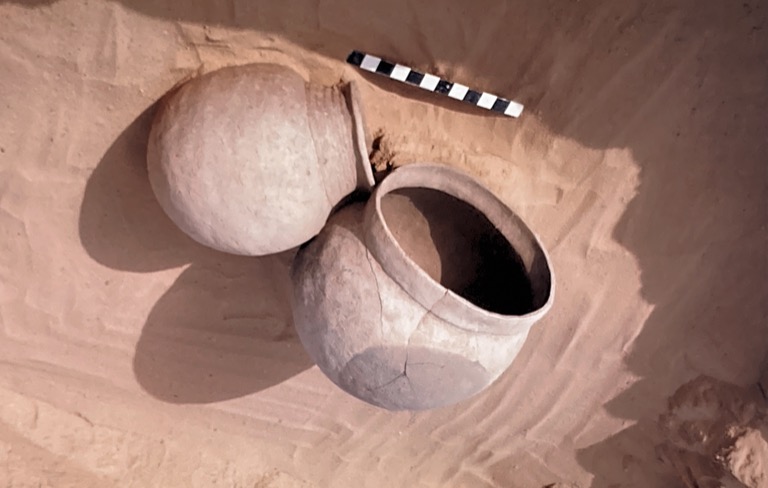
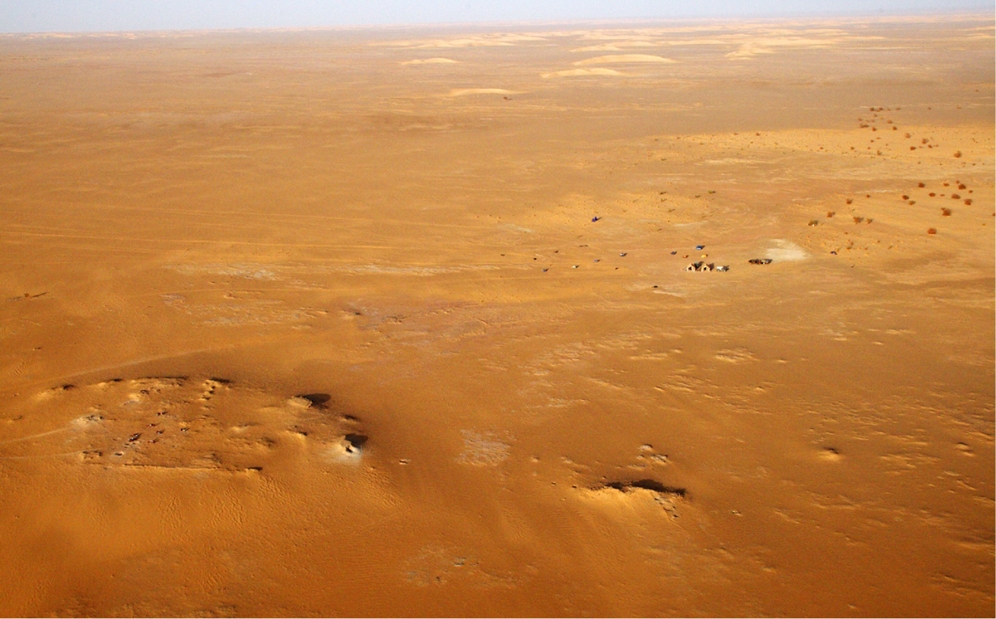
The Gobero archaeological site in the Ténéré desert of Niger is the oldest known graveyard in the Sahara, dating back to approximately 8000 BCE. This site, characterized by its proximity to a former paleolake, offers invaluable insights into how early humans adapted to climatic changes. It is a key location for understanding the Kiffian and Tenerian cultures of the Holocene era. Gobero is comprised of eight sub-sites, with significant funerary and habitation remains primarily found in sites G1, G2, G3, G5, and G8. Phases of occupation include the Kiffian culture's presence during a wet period and the Tenerian culture's later settlement as the climate shifted again. Artifacts like lithics, pottery, and burials provide a detailed view of past human life, highlighting their adaptation strategies in a changing environment.
Gallery
Explore photographs of ancient structures, artifacts, and archaeological excavations
Historical Timeline
Journey through time and discover key events in this site's history
Phase I: Paleodunes Formation
14000 BCE
Phase II: Kiffian Occupation
7700 BCE
Phase III: Tenerian Occupation
5200 BCE
Phase IV: Sahara Desertification
2500 BCE
Archaeological Features
Unique architectural and cultural elements found at this historical site
Miscellaneous Features
Burial and Funerary Structures
Industrial and Craft Structures
Environmental and Natural Features
Frequently Asked Questions
Plan Your Visit
Tours, travel arrangements, and practical information